

What Does Each Supply Option Include?
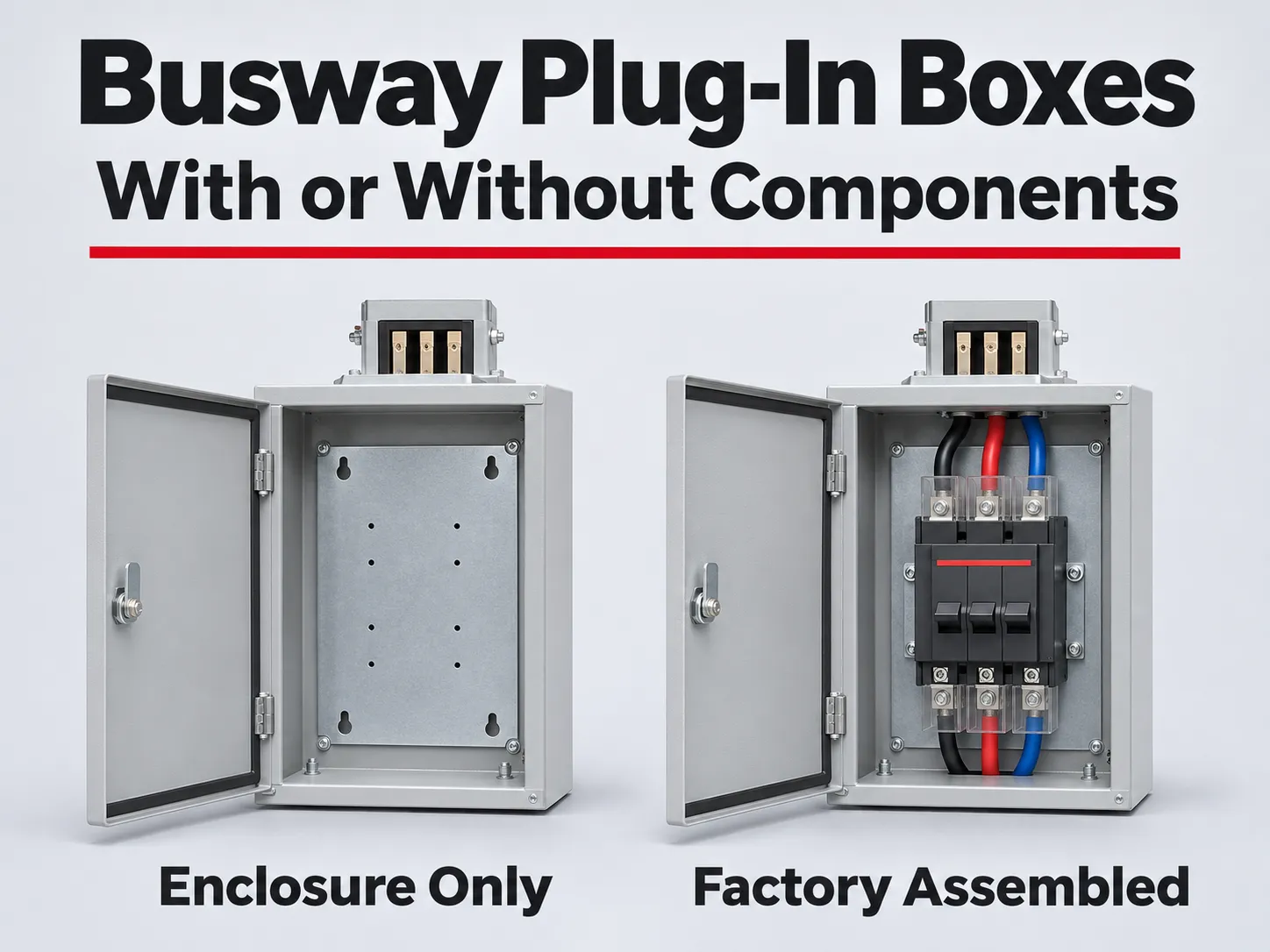
Describe the order by what will arrive and what still needs to happen. These are purchasing distinctions, rather than standard names used by every manufacturer. Confirm which options exist for your chosen product.
| Supply scope | Electrical parts supplied | Assembly state at delivery | Work remaining |
|---|---|---|---|
| Fabricated enclosure only | None unless itemized | Housing and specified mechanical features completed; not a complete plug-in unit | Source and fit electrical parts; establish suitability and verify the completed unit |
| Manufacturer-supported ready-to-assemble unit | Interface parts depend on the catalog model; designated devices excluded | Prepared for the specified installation work | Fit the permitted devices and complete the required connections and checks |
| Enclosure with a loose component kit | Devices named in the BOM, if this option is offered | Housing completed; kit packed separately | Install, wire, and verify the intended assembly |
| Factory-assembled and wired unit | Specified devices installed; sourcing agreed separately | Agreed assembly and internal wiring completed | Site connections, installation, and acceptance as specified |
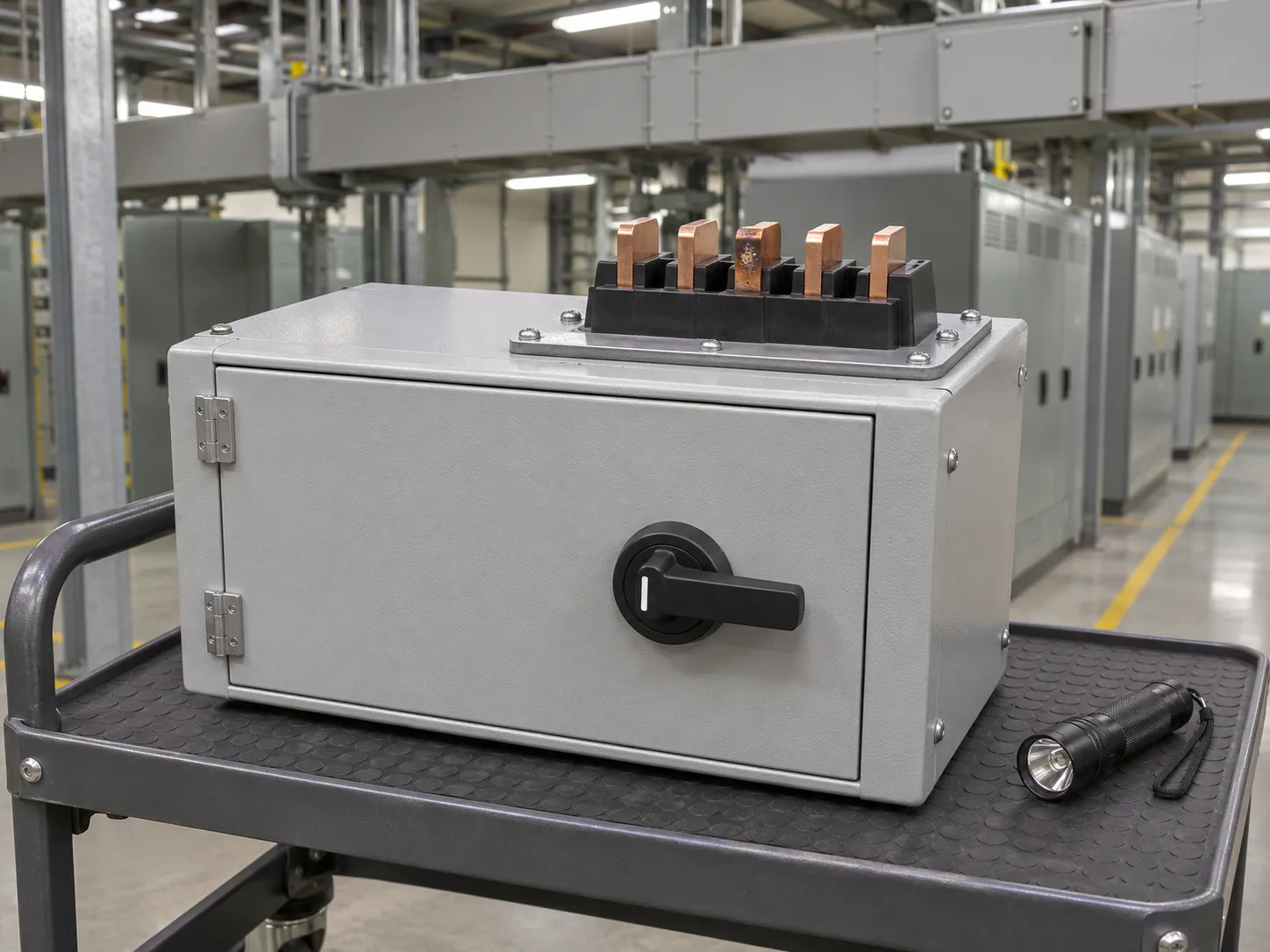
Require the quotation to identify whether the plug-in contact assembly, mounting and locking hardware, internal conductors and barriers, grounding provisions, and operating linkage are included. Confirm the exact catalog configuration: a prepared unit can still exclude its specified breaker, and some models are available only factory-assembled.
A cable tap box designed without an integral breaker is also a different product from a breaker unit awaiting completion. Its protection arrangement must be checked as part of the electrical design.
What Must Be Defined Before Ordering the Enclosure?
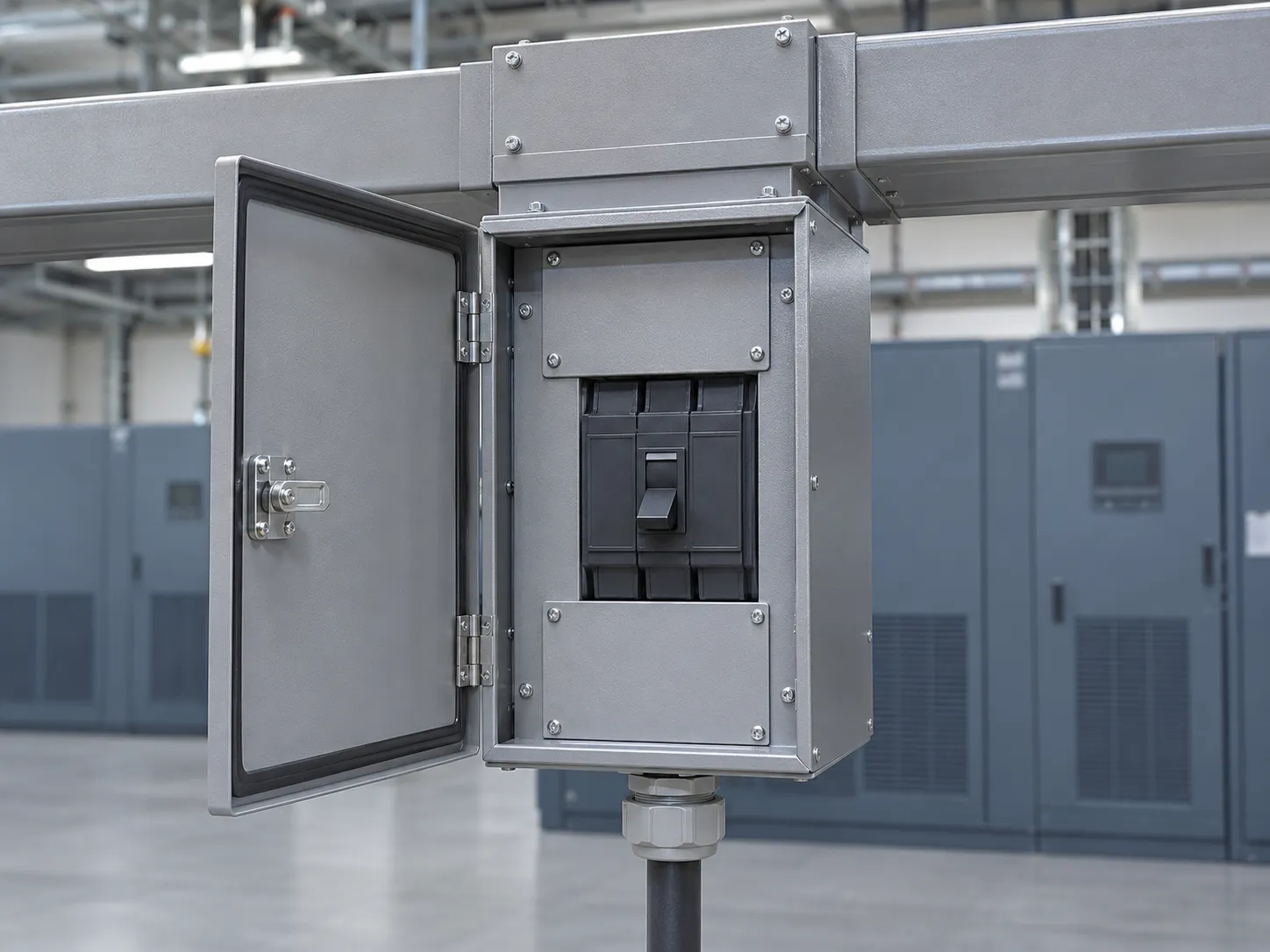
Before releasing the enclosure for manufacture, confirm the interface, intended devices, and complete layout.
The Busway Interface and Supported Assembly Route
Identify the busway manufacturer, exact series, applicable revision, conductor arrangement, and installation orientation. Request documentation covering the intended mating interface, grounding, mechanical retention, and interlocks. Matching overall dimensions or ampere ratings does not establish that a plug-in unit is suitable for a particular busway system.
Specify the required neutral capacity and grounding arrangement, including an isolated ground if the project calls for one. Confirm that the unit provides the corresponding contacts and outgoing terminals. Breaker pole count alone does not define the neutral or ground provisions.
For a catalog ready-to-assemble unit, confirm the devices and assembly work permitted by its instructions. A separately fabricated housing does not inherit that product’s compatibility evidence. If a custom route is proposed, decide before fabrication starts who will establish suitability and whether additional evaluation will be needed.
The Planned Devices, Accessories, and Ratings
Excluding components from the order does not remove the need to define them. Record the exact breaker or switch model, pole count, operating mechanism, and accessories. Distinguish a breaker’s frame size from its trip rating. For adjustable trip units, name who supplies the approved settings and who applies and records them. For fused designs, specify the fuse class and rating, and whether the fuses are included.
Define the outgoing connections at the same time. For terminal connections, specify conductor material, wire size, conductor count per terminal, and the required terminal temperature rating. Confirm that the selected terminals accept those conductors; physical space alone does not establish suitability. For receptacles or cable assemblies, record the connector type, quantity, and ratings, plus cable length and exit direction where applicable. If metering is planned, identify the display, sensors, and communications.
Match the operating voltage and system grounding arrangement to the selected devices. A 480Y/277 V breaker has a 277 V limit from a phase to ground. Do not treat it as an equivalent to a straight 480 V breaker without checking the supply system.
State the required current and continuous-load duty, and have the electrical designer confirm available fault current at the connection. Verify the complete unit’s current rating for the intended duty; a 100%-rated breaker alone does not establish that rating for the assembled unit. Also verify the documented short-circuit current rating (SCCR) at the operating voltage. The rating applicable to the installed configuration must be at least the available fault current at its connection. Check the busway rating as well, and satisfy any specified upstream protective-device conditions. The breaker’s or fuse’s interrupting rating alone does not establish the assembly’s SCCR.
If several device options must fit one enclosure, identify each supported configuration. “Space for future upgrades” is too vague to authorize manufacture.
Usable Space, Cable Entry, and Operating Access
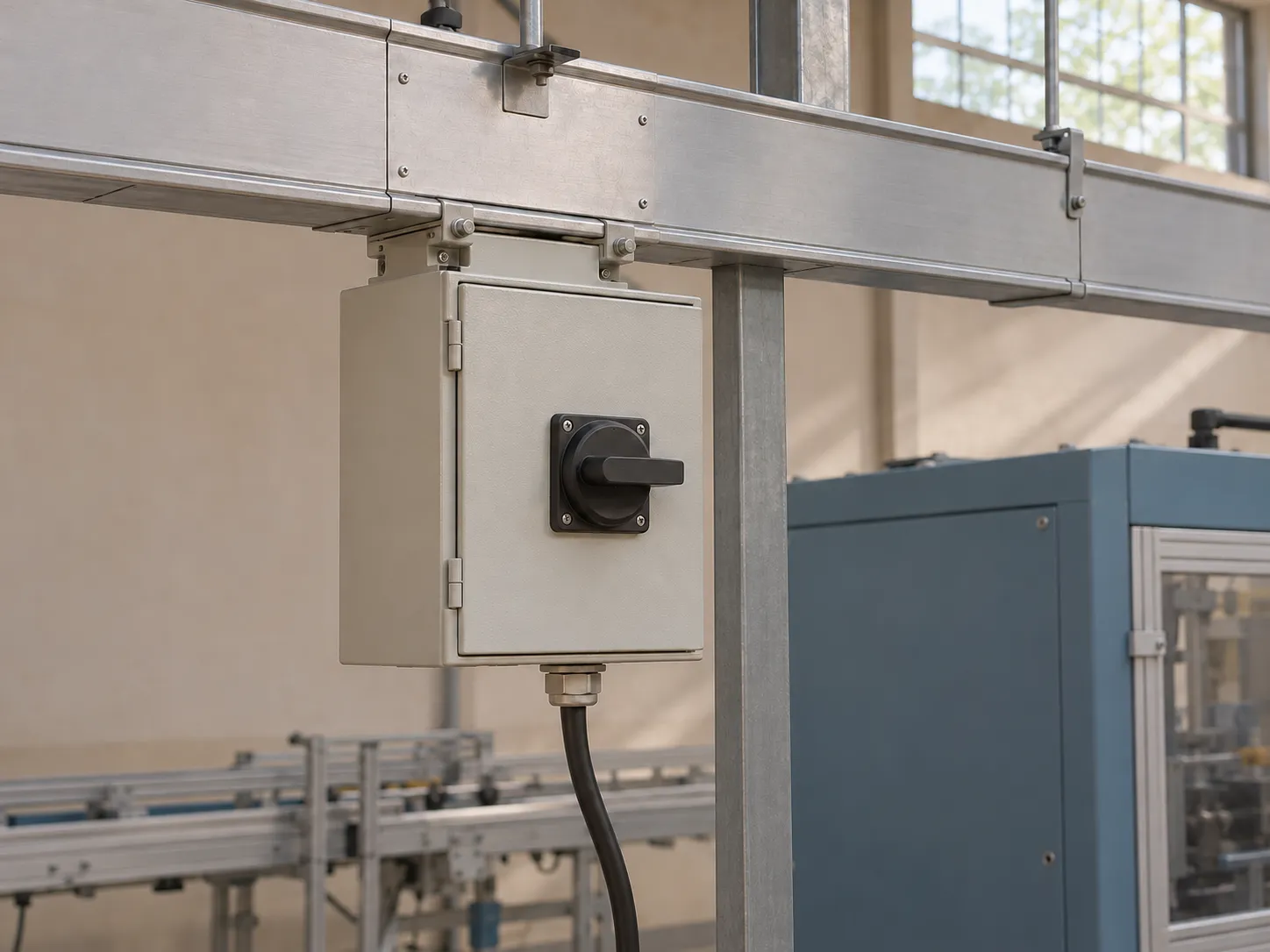
Review usable internal space with the actual mounting parts, barriers, terminals, and conductors shown. Check cable bending and termination access, handle travel, door opening, and the clearance needed to operate and maintain the unit. Heat from the devices and conductors must also be considered for the intended ambient conditions and orientation.
Check the unit’s full installed footprint along the busway, not just its plug-in contact position. Some units connect through one opening but cover adjacent openings. Confirm which nearby positions remain usable and whether cable exits or handles interfere with neighboring units. An oversized housing can reduce future connection capacity even when it fits the busway interface.
For a custom enclosure, approve the complete layout before holes and mounting positions are fixed. Specify the required NEMA Type or IP rating for the finished arrangement, including cable entries and fitted accessories. Adding openings or hardware requires attention to maintaining the enclosure’s Type or IP rating.
Which Supply and Assembly Arrangement Fits Your Project?
Once the product configuration is established, assign purchasing and workshop work to suit your project.
Buyer Assembly With Buyer- or Supplier-Sourced Parts
Buyer assembly suits projects with a documented assembly route, trained personnel, suitable tools, and a defined verification plan. It can be practical for an integrator that already builds and supports the permitted configuration.
The buyer can source devices independently or purchase an agreed kit. Either way, the buyer retains responsibility for completing the work and arranging the required checks.
Supplier Sourcing and Assembly
Supplier sourcing and assembly suits projects that want one party to coordinate component purchasing and workshop work. It can reduce the number of handovers the buyer manages, but the contract must still identify what is left for site installation.
E-abel’s enclosure assembly service includes component procurement for enclosure projects. For a busway order, agree the exact interface, assembly work, and required product documentation before accepting the quotation.
Buyer-Supplied Parts With Supplier Assembly
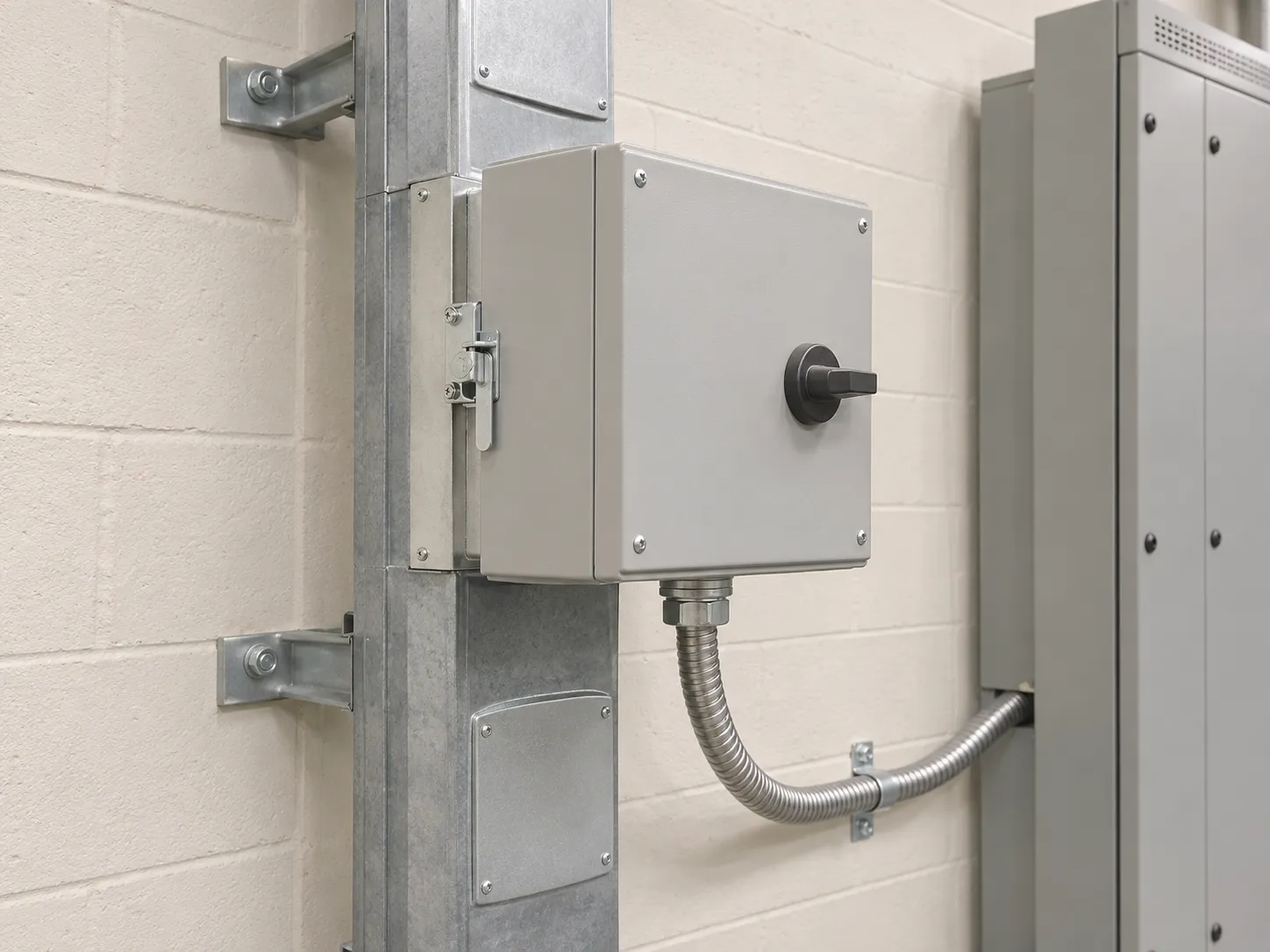
This arrangement can suit buyers with mandated devices or existing approved stock. Review the exact part numbers and accessories with the assembler before shipping. Agree receiving checks, delivery dates, and handling of shortages, damage, or incorrect items. Distinguish responsibility for device defects from responsibility for installation, and define how rejected or late material affects the schedule.
Compare Total Cost and Completion Dates
Compare the quoted price with the parts, labor, checks, and coordination needed to reach the same handover condition. Include engineering or evaluation only where the proposed route requires it. Check complete accessory availability: a stocked breaker does not shorten assembly if its required handle kit is unavailable.
Compare completion dates from the same starting conditions, including drawing approval and component availability. A housing shipment date does not show when assembly, verification, and required documentation will be complete.
Who Handles Verification and Final Acceptance?
Assign responsibility for the finished unit before placing the order. A UL-listed enclosure or a listed circuit breaker does not, by itself, establish certification of the completed busway plug-in assembly.
For U.S. projects, UL 857 covers busways and associated fittings within its scope, including plug-in devices. Confirm its applicability to the product supplied.
The standard and the certification organization are separate matters. An ETL Listed product can be evaluated to applicable UL standards. Check the exact model, covered configuration, certification mark, and listing record; a reference to “UL 857” alone does not identify the certifying body.
Name the responsible organizations and agree the following records before ordering.
| Work | Responsible party to identify | Evidence or deliverable |
|---|---|---|
| Establish the finished configuration | Finished-unit manufacturer or designated design owner | Drawings, BOM, documented ratings, and applicable verification references |
| Complete assembly and wiring | Contracted assembler | As-built configuration and agreed assembly records |
| Perform required unit checks | Manufacturer or assembler assigned that work | Results against the applicable inspection and test plan |
| Provide certification information | Certification holder, within the issuing body’s authorization | Product identification, applicable marking, and covered configuration |
| Complete site installation and acceptance | Qualified installer and relevant project or inspection authorities | Installation records and required site acceptance |
A continuity check does not establish temperature-rise or short-circuit performance. Request the applicable unit-check records and the verification basis for the design, without treating them as the same deliverable.
If a proposed build or modification falls outside an existing certification scope, agree the evaluation plan before manufacture. A field evaluation can support acceptance for a specific application and location; it does not guarantee approval of an unsuitable build.
For metered or communicating units, state whether delivery includes meter setup, sensor scaling, communication settings, and a function check. Identify any configuration left for site commissioning. Factory wiring alone does not establish that these project-specific settings are complete.
Before an enclosure-only unit is released for installation, complete the assembly and pre-installation checks required by its manufacturer. Some breaker-type units prohibit mounting without the specified breaker fitted. Factory assembly does not authorize energized installation; qualified personnel must follow the product-specific installation and isolation procedures.
What Should the Quote and Purchase Order State?
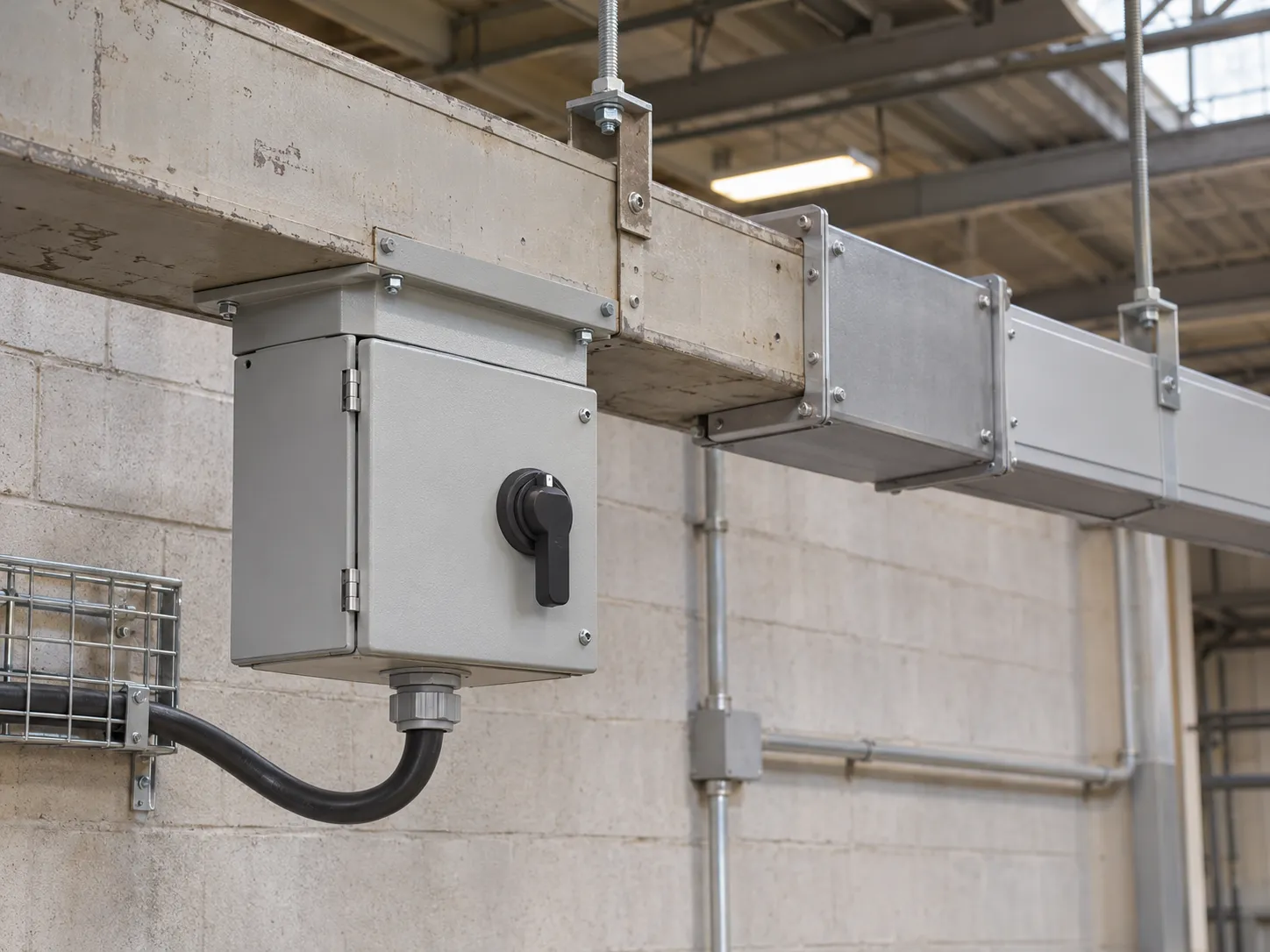
Turn the selected arrangement into an order that references the agreed technical documents. Avoid leaving key obligations in sales emails that are not incorporated into the purchase scope.
- Delivered condition: Identify product references, quantity, loose parts, installed devices, completed wiring, and site-work exclusions.
- Controlled documents: Incorporate the approved drawing and BOM revisions, approval responsibilities, and exclusions into the order.
- Buyer-supplied materials: Incorporate the agreed receiving and shortage-handling arrangements and their effect on the completion date.
- Verification and documentation: Reference the responsibility matrix and inspection plan, and list the records, markings, and instructions required at shipment.
- Changes and substitutions: Require written approval and review of fit, operation, thermal performance, ratings, and certification coverage before any substitution or housing change.
- Commercial handover: Define schedule starting conditions, shipment obligations, acceptance criteria, and warranty coverage for both supplied devices and assembly work.
For a hypothetical buyer-supplied-breaker order, a scope clause could read:
Supply the enclosure to the approved drawing and BOM. The buyer supplies the specified breaker; the supplier installs it and completes the agreed internal wiring and checks. No substitute parts are permitted without written approval. Attach the agreed inspection records and instructions at shipment.
FAQs About Busway Plug-In Box Orders
Conclusion

The best order leaves no unassigned work between the enclosure supplier, component provider, assembler, and installer. Judge the options by who can deliver the required configuration and evidence, with a realistic schedule for the tasks that remain. A lower enclosure price is useful only when the complete purchasing plan still meets the project’s requirements.
Contact E-abel with the busway model or interface information, planned component list, and any existing enclosure drawings. Tell us whether you need the housing only, an agreed parts package, or specified assembly work. These inputs let us review the scope, identify missing information, and define what the quotation should include. Your team can then compare that offer with the work it plans to retain.
Related Reading
Drawings for a Busway Tap-Off Box Enclosure Quote
Custom Busway Tap-Off Box Enclosure Cost Factors
Tap-Off Box Cutouts for Breakers and Sockets
Track Busway Tap-Off Box Prototype Checklist





 EN
 ES
 FR
 AR
 JA
 KO
 RU
 DE
 PT
 IT
 ZH
 TH
 VI
 HI
 MS
