PLC Enclosures

PLC enclosures are used in a variety of applications and are the go-to option for different industries. The enclosures are designed to perform well both indoors and outdoors. They come in handy when working with larger electrical equipment and controls, whether they are for electric power distribution or engineering. PLC enclosures are designed to feature a lot of space that allows them to cater to large PCB (printed circuit board) systems. This is one of the main aspects that makes them an incredible investment for most companies.

PLC Enclosures
Custom Stainless Steel Plc Enclosure
NEMA 4 Plc Enclosure
NEMA 3 Switch Wall Mount Plc Enclosure
Nema 4X Wall Mount Plc Enclosure
Plc Enclosure With Viewing Window
Push Button Plc Enclosure

Why PLC Enclosure

IP-rated protection against dust and moisture

Temperature-resistant construction for industrial environments

Compliance with international safety standards

Secure locking system for authorized access only

Organized internal layout for PLC components and wiring

Durable sheet metal construction for long-term reliability

Applications Need PLC Enclosure

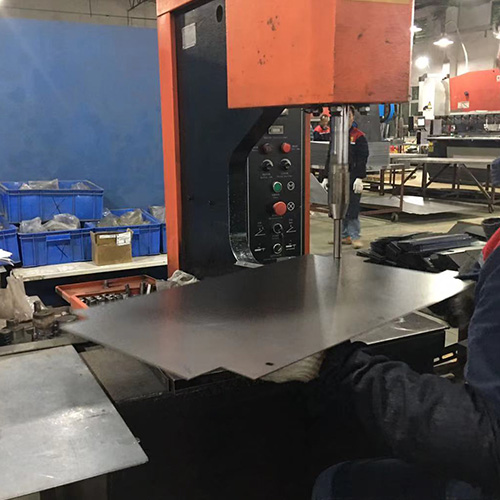
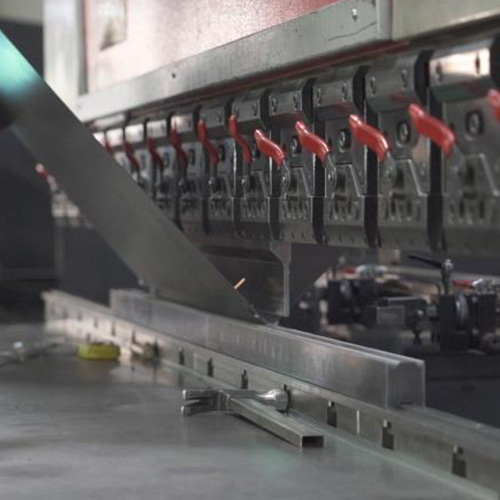
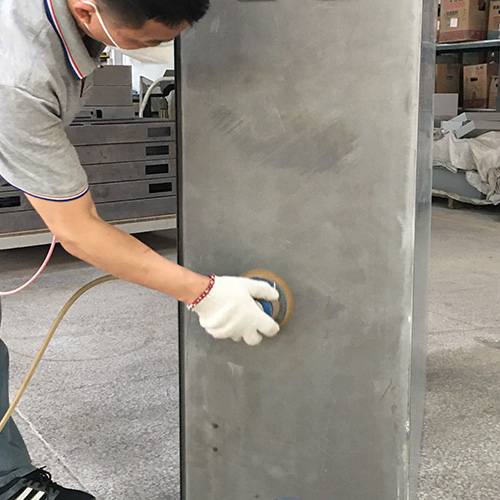
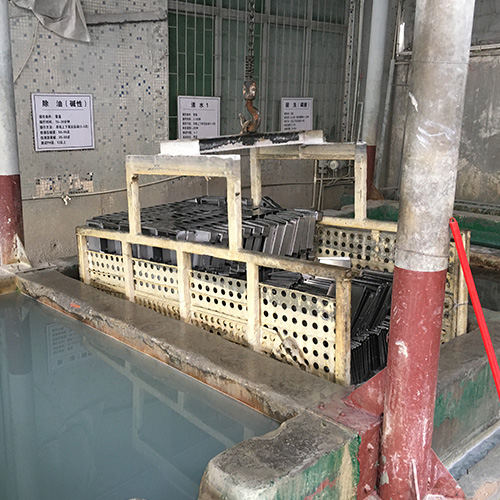
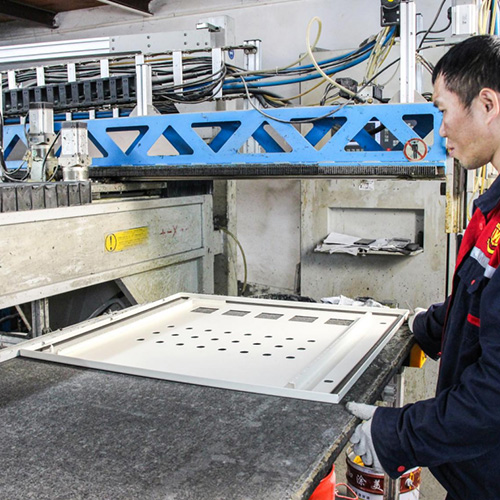
PLC Enclosure Manufacturing Process

Custom Options for PLC Enclosures

PLC Enclosure size
Size and Shape
Stainless steel enclosure with an open door revealing PLC components
Material Selection
Electrical enclosure with circuit breakers and organized wiring inside
Door Designs
Airflow in Electronics Enclosures
Cooling and Ventilation
ip rating
IP Ratings
Three colored electrical enclosures blue white and red designs
Finishes and Coatings
Cable Management Features
Cable Management
Enclosure Pole Mounting
Mounting Options

Valuable Partner

E-Abel has been our trusted supplier for stainless steel enclosures for years. Their products are robust and precisely engineered to meet our specifications. The team’s professionalism and attention to detail ensure that every order is delivered on time and exceeds our expectations. Their component sourcing is a valuable added service.

Customer Avatar 1

Ga** Ma***

The network cabinets we’ve ordered from E-Abel have been top-quality and perfectly suited to our needs. Their ability to customize the cabinets to our specific requirements, combined with reliable delivery, has made them an essential partner. We also appreciate their competitive pricing and efficient component sourcing service.

Customer Avatar 3

Si** Ba***

E-Abel’s industrial control cabinets have consistently met our high standards for durability and functionality. Their customization options allow us to adapt the cabinets for various projects, and the quality is always excellent. The team’s commitment to customer satisfaction and timely delivery makes E-Abel a reliable partner.

Customer Avatar 2

Ir** Ve***

Leo Lu

I’m Leo, the head of sales team at E-abel. Me and my team would be happy to meet you and learn all about your business, requirements and expectations.

Carson He
Carson
Paul Cao
Paul
Linsey scaled e1733988449416
Linsey
logo red

Get More Benefits Since Submit The Info Form

*We respect your confidentiality and all information are protected.

logo red

Get More Benefits Since Submit The Info Form

Leo Lu

I’m Leo, the head of sales team at E-abel. Me and my team would be happy to meet you and learn all about your business, requirements and expectations.

Carson He
Carson
Paul Cao
Paul
Linsey scaled e1733988449416
Linsey

*We respect your confidentiality and all information are protected.

Wall mounted PLC enclosure

What Is a PLC?

A PLC (Programmable Logic Controller) is an industrial digital computer designed to control manufacturing processes or machinery. It receives input signals from sensors, processes the data based on a programmed logic, and sends output commands to actuators. PLCs are known for their reliability, real-time performance, and ability to automate complex tasks in environments that require precision and durability.

PLC

How PLC Works?

A PLC works by continuously scanning and executing a program that controls industrial equipment. It begins with reading input signals from sensors or devices, such as switches or temperature sensors. Based on its programmed logic, the PLC processes these inputs and determines the necessary actions. It then sends output signals to actuators like motors, valves, or alarms. This cycle—called the scan cycle—repeats in milliseconds, enabling real-time control, quick decision-making, and consistent automation in demanding industrial environments.

PLC enclosures NEMA Ratings

Rating

Protects Against

Ideal For

NEMA 1

Light contact with electrical components; dust, dirt

Indoor applications with minimal exposure to dust and dirt

NEMA 3R

Rain, snow, sleet (no protection against dust)

Outdoor use in mild conditions like street lighting or water pumping

NEMA 4

Windblown dust, rain, splashing water, hose-directed water, ice formation

Wet environments such as factories, processing plants, or outdoor use

NEMA 4X

Windblown dust, rain, splashing water, hose-directed water, ice formation

Harsh environments like chemical plants, marine applications

NEMA 6

Immersion in water (up to 1 meter for 30 minutes); dust

Temporary submersion areas like water treatment plants

NEMA 6P

Prolonged immersion in water; dust, dirt

Locations where equipment is exposed to water immersion

NEMA 12

Dust, dirt, dripping non-corrosive liquids; mild splashes

Indoor industrial applications with moderate dust, dirt, or liquid exposure

NEMA 13

Dust, dirt, oil, coolant spray; dripping non-corrosive liquids

Industrial settings where oil, coolant, or mild chemicals are present

FAQs About PLC Enclosures

What materials are used for PLC enclosures?

PLC enclosures are made from various materials based on the application:

  • Stainless Steel: Ideal for corrosive or industrial environments, such as food processing plants.
  • Aluminum: Lightweight and resistant to rust, suitable for moderate environments.
  • Polycarbonate or ABS Plastic: Lightweight, cost-effective, and resistant to impact, often used indoors or in non-corrosive settings.
  • Fiberglass: Non-conductive, durable, and weather-resistant, making it a good choice for outdoor applications.
    The choice depends on the environmental conditions and durability requirements.

PLC enclosures protect internal components like PLCs, circuit breakers, and wiring from harmful conditions. They prevent damage caused by dust, water, chemicals, and high temperatures. Additionally, they provide safety by preventing accidental contact with live electrical parts, protecting both the equipment and operators. Enclosures also help organize the wiring and components, ensuring easier maintenance and troubleshooting.

Choosing the right PLC enclosure involves considering several factors:

  • Environmental Conditions: For outdoor use, select weatherproof or corrosion-resistant enclosures with high IP or NEMA ratings.
  • Size and Space: Ensure the enclosure is large enough to accommodate all components, including room for future expansion.
  • Ventilation or Cooling: If heat is generated inside, look for enclosures with vents, fans, or cooling options.
  • Mounting Requirements: Consider wall-mounted, floor-mounted, or free-standing options based on space.
  • Accessibility: Ensure it has easy access for maintenance, such as hinged doors or removable panels.

Yes, PLC enclosures can be customized to fit specific project needs. Customizations can include:

  • Size and Dimensions: To accommodate unique equipment layouts or restricted spaces.

  • Material: Specialized materials for harsh conditions, such as marine-grade stainless steel.
  • Additional Features: Custom cable entry points, ventilation systems, lockable doors, and see-through panels.
  • Branding and Labels: Many manufacturers offer options for logos, serial numbers, or identification plates.

Custom enclosures are often more expensive but are tailored to provide the best protection and functionality.

Ventilation is crucial for enclosures that house heat-generating components like PLCs and power supplies. Without proper ventilation or cooling, internal temperatures can rise, causing components to overheat and fail. Options include:

  • Passive Ventilation: Simple vents with filters to allow airflow while blocking dust.
  • Active Cooling: Fans or air conditioners for enclosures in high-heat environments.
  • Heat Management: Use of heat-dissipating materials or thermal management designs to control temperatures.

Company News

What Can We Do To Help?

If you would like information about pricing and delivery, our sales team will contact you shortly, with everything you need for your project.

Your E-Abel solution providers will be happy to give you any engineering advice to your industrial business, flexible / practical / remarkable.

DMCA.com Protection Status
en_USEN
logo red

Get More Benefits Since Submit The Info Form

*We respect your confidentiality and all information are protected.

Contact Us Right Now, Get Reply Today.

Leo Lu

I’m Leo, the head of sales team at E-abel. Me and my team would be happy to meet you and learn all about your business, requirements and expectations.

Carson He
Carson
Paul Cao
Paul
Linsey scaled e1733988449416
Linsey

Contact us

logo red

Get More Benefits Since Submit The Info Form

*We respect your confidentiality and all information are protected.

Contact Us Right Now, Get Reply Today.

Leo Lu

I’m Leo, the head of sales team at E-abel. Me and my team would be happy to meet you and learn all about your business, requirements and expectations.

Carson He
Carson
Paul Cao
Paul
[contact-form-7 id="3210" title="popup form"]

Get in Touch with E-Abel

Send us an email, give us a call, or use our contact form below. We look forward to being of assistance.

[contact-form-7 id="5" title="normal form"]

Customize Your Enclosures Project

Submit your enclosure specifications below, and one of our engineers will contact you in 12 hours.

[contact-form-7 id="1606" title="Enclosures Form"]