

Introduction
Outdoor electrical enclosures are crucial for protecting electrical components from harsh environmental conditions. These enclosures ensure that your equipment remains safe and functional, regardless of location. Whether it’s rain, dust, extreme temperatures, or corrosive chemicals, outdoor environments pose many challenges that can affect the performance and longevity of electrical systems.
Reliable performance is essential. If your enclosure fails, it can damage equipment, cause downtime, and cause costly repairs. This is why choosing the proper outdoor electrical enclosure is so essential. It’s not just about picking a box and putting your equipment inside; it’s about understanding the specific needs of your environment and selecting an enclosure that can meet those needs.
By the end of this article, you’ll have a comprehensive understanding of what to look for in an outdoor electrical enclosure to ensure its reliable performance in any environment. Let’s explore these critical considerations in detail.

Understanding the Operational Environment
When selecting an outdoor electrical enclosure, the first step is understanding the operational environment. This involves identifying potential hazards that could affect the performance and longevity of your electrical components. Here are the key factors to consider:
Identifying Potential Hazards
Outdoor environments are unpredictable and can present a range of hazards that can compromise the integrity of your electrical equipment. Some of the common hazards include:
- Water: Rain, snow, and humidity can infiltrate enclosures, leading to short circuits and equipment failure. High-pressure water from cleaning processes can also pose a threat.
- Dust and Debris: Dust particles and airborne debris can accumulate inside enclosures, causing overheating or short circuits.
- Temperature Extremes: High and low temperatures can affect the performance of electrical components. Extreme heat can cause overheating, while extreme cold can lead to brittleness and failure.
- Chemicals: Industrial environments often expose enclosures to corrosive chemicals and solvents, which can degrade materials and lead to failures.
- Pests: Small animals and insects can enter enclosures, causing physical damage and contamination.
- Unauthorized Access: Tampering and vandalism can disrupt operations and damage equipment.
Importance of Evaluating Specific Locations
Not all outdoor locations are the same. It’s crucial to evaluate the specific conditions of the installation site. For example, an enclosure near the coast will face different challenges than one in a desert or industrial setting. Here are some location-specific considerations:
- Coastal Areas: High salt content in the air can cause corrosion, requiring enclosures made of corrosion-resistant materials.
- Industrial Zones: Exposure to chemicals, heavy dust, and vibrations necessitates robust and sealed enclosures.
- Urban Areas: Enclosures might need extra security features to prevent tampering or theft.
- Rural or Remote Locations: These areas might require enclosures that can withstand extreme weather conditions without frequent maintenance.
Long-Term Impact of Environmental Factors
Environmental factors don’t just pose immediate risks; they can have long-term effects on electrical equipment. Over time, even small amounts of water or dust can accumulate and cause significant damage. Here’s how different factors can impact your equipment in the long run:
- Corrosion: Prolonged exposure to moisture and chemicals can corrode metal parts, weakening the structure and compromising the enclosure’s integrity.
- Thermal Expansion and Contraction: Repeated heating and cooling cycles can cause materials to expand and contract, leading to cracks and leaks.
- UV Radiation: Continuous exposure to sunlight can degrade certain plastics and coatings, making them brittle and less effective at protecting internal components.
- Contamination: Dust and debris can build up over time, leading to overheating and malfunction.
By thoroughly understanding the operational environment and potential hazards, you can choose an outdoor electrical enclosure that will provide reliable performance and protect your valuable equipment from the elements. This proactive approach helps ensure the longevity and efficiency of your electrical systems, reducing downtime and maintenance costs.

Material Selection
Choosing the suitable material for your outdoor electrical enclosure is crucial. Each material offers unique benefits and is suited to different environments. Let’s explore the options:
Plastic Enclosures
Plastic enclosures are a popular choice for many applications. They are made from materials like ABS or polycarbonate.
Benefits:
- Cost-Effective: Plastic enclosures are generally more affordable than metal or fiberglass options.
- Versatile: They can be molded into various shapes and sizes, making them suitable for multiple applications.
- Corrosion-Resistant: Unlike metal, plastic does not rust, making it a good choice for environments with moisture.
Ideal Use Cases:
- Indoor Environments: Perfect for housing electrical components in less harsh indoor settings.
- Mild Outdoor Environments: Suitable for outdoor use where extreme weather conditions are not a concern.
Metal Enclosures
Metal enclosures are known for their strength and durability. They are typically made from steel or aluminum.
Benefits:
- Durability: Metal enclosures offer superior strength and can withstand physical impacts better than plastic or fiberglass.
- EMI Shielding: They provide excellent shielding against electromagnetic interference, protecting sensitive electronics.
- Strength: Metal enclosures can handle more demanding environments.
Types:
- Steel: Robust and strong, steel is a common choice. However, it can rust if not properly treated or coated.
- Aluminum: Lighter than steel and naturally corrosion-resistant, aluminum is ideal for many outdoor applications but comes at a higher cost.
Fiberglass Enclosures
Fiberglass enclosures combine the benefits of both plastic and metal, making them an excellent choice for more demanding environments.
Benefits:
- Lightweight: Easier to handle and install compared to metal enclosures.
- Durable: Fiberglass is extremely tough and can withstand harsh conditions.
- Resistant to Harsh Conditions: They perform well in extreme temperatures and resist corrosion from chemicals and UV exposure.
Ideal Use Cases:
- Industrial Environments: Perfect for settings where chemicals, dust, and other harsh conditions are present.
- Extreme Outdoor Environments: It is suitable for use in locations with extreme weather conditions, such as coastal areas or deserts.

Waterproof and Weatherproof Ratings
Ensuring your outdoor electrical enclosure has the proper waterproof and weatherproof ratings is essential for protecting your equipment from environmental damage. Let’s break down what these ratings mean and why they are crucial.
Explanation of Different Waterproof Ratings
Waterproof ratings indicate the level of Protection an enclosure provides against water ingress. Here are the key terms you need to know:
- Watertight: No water can enter the enclosure, even under significant pressure. Watertight enclosures are suitable for environments where the enclosure might be submerged or exposed to high-pressure water jets.
- Waterproof: Waterproof enclosures prevent water from entering under normal conditions, such as rain or splashing. They are ideal for outdoor installations that face frequent exposure to water.
- Splash-Proof: These enclosures resist water splashes from any direction but are unsuitable for heavy exposure or submersion.
- Water-resistant: Water-resistant enclosures offer minimal Protection against water ingress. They are suitable for areas where direct exposure to water is unlikely.
Importance of Exceeding Waterproofing Requirements
When selecting an enclosure, choosing one that exceeds your waterproofing needs is crucial. Here’s why:
- Unexpected Conditions: Weather can be unpredictable. An enclosure that barely meets your requirements might fail under unexpected heavy rain or accidental high-pressure washing.
- Long-Term Durability: Exceeding waterproof ratings ensures the enclosure will remain effective over time, even as seals and materials age.
- Safety: Electrical components must remain dry to function safely. An extra margin of Protection can prevent short circuits and equipment failure.
Other Weatherproofing Features
Waterproofing is just one aspect of protecting your outdoor electrical enclosures. Other weatherproofing features are equally important:
- UV Protection: Prolonged exposure to sunlight can degrade materials, causing them to crack and fail. UV-protected enclosures resist this damage, extending the life of the enclosure and the equipment inside.
- Resistance to Extreme Temperatures: Enclosures in outdoor environments must withstand high and low temperatures. Materials that can expand and contract without cracking are essential to maintaining a tight seal and protecting internal components.
- Salt Corrosion Resistance: Coastal areas present a unique challenge, as salt in the air can corrode metal parts. Choosing enclosures made from corrosion-resistant materials, such as certain plastics or treated metals, is crucial for these environments.
By understanding and selecting enclosures with the correct waterproof and weatherproof ratings, you can ensure the longevity and reliability of your electrical equipment. This proactive approach helps prevent costly repairs and downtime, providing peace of mind in even the harshest conditions.
Ingress Protection (IP) Ratings
Understanding Ingress Protection (IP) ratings is crucial when selecting an outdoor electrical enclosure. These ratings indicate how well an enclosure can protect against the intrusion of solids and liquids. Let’s explore IP ratings and why they matter.
Explanation of IP Ratings and Their Significance
IP ratings are standardized codes describing the protection level an enclosure offers against dust and water. The IP code consists of two digits:
- First Digit (Solid Protection): This number ranges from 0 to 6, indicating Protection against solid objects and dust. A higher number means better security.
- Second Digit (Liquid Protection): This number ranges from 0 to 9 and indicates the level of Protection against water ingress. Again, a higher number means better security.
Examples of IP Ratings and What They Mean
Here are some standard IP ratings and their meanings:
- IP44:
Solid Protection (4): Protects against solid objects over 1mm in size (e.g., wires, screws).
Liquid Protection (4): Protects against water splashes from any direction.
Use Case: Suitable for outdoor areas with light rain and minimal dust exposure.
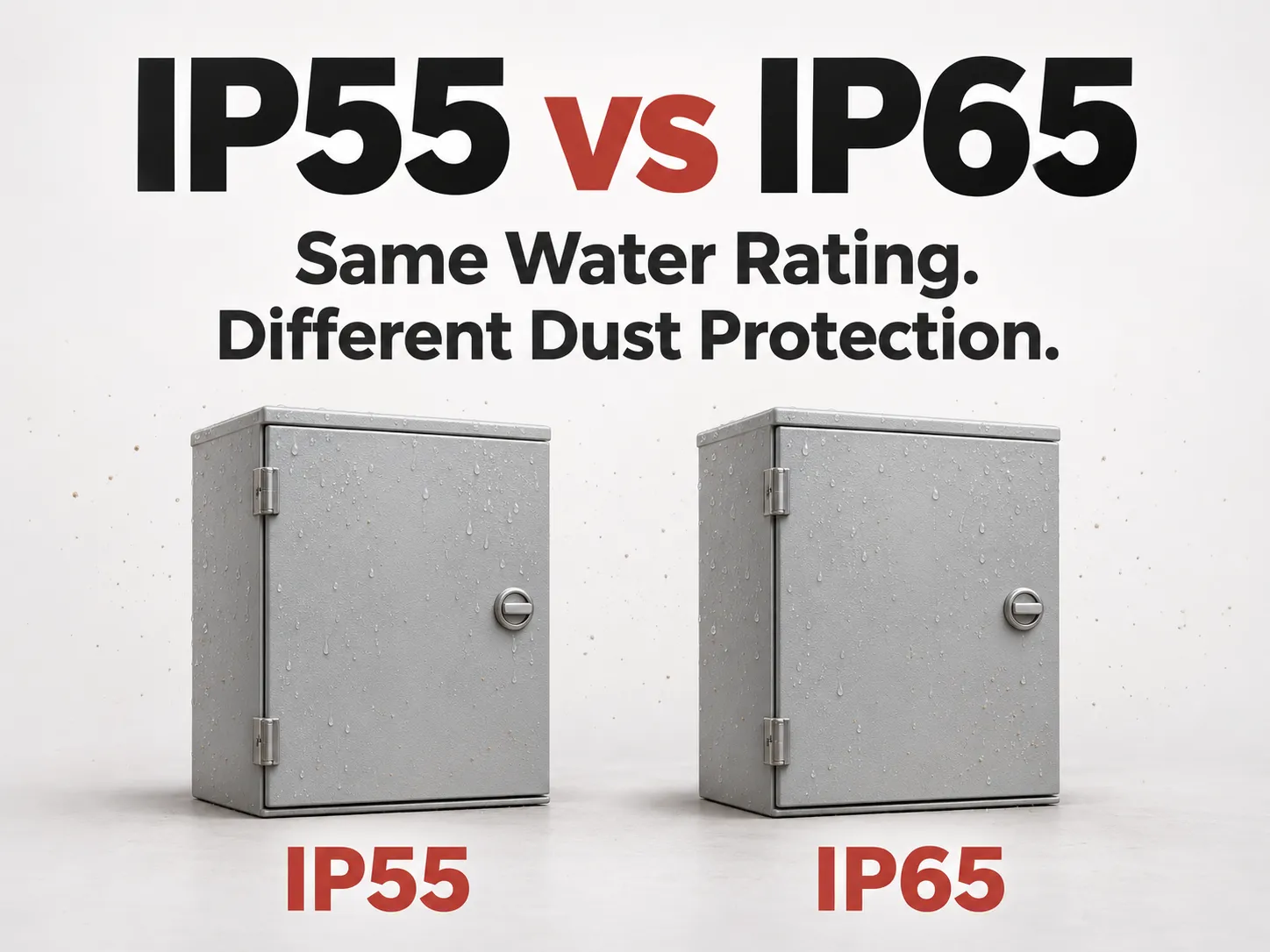
- IP55:
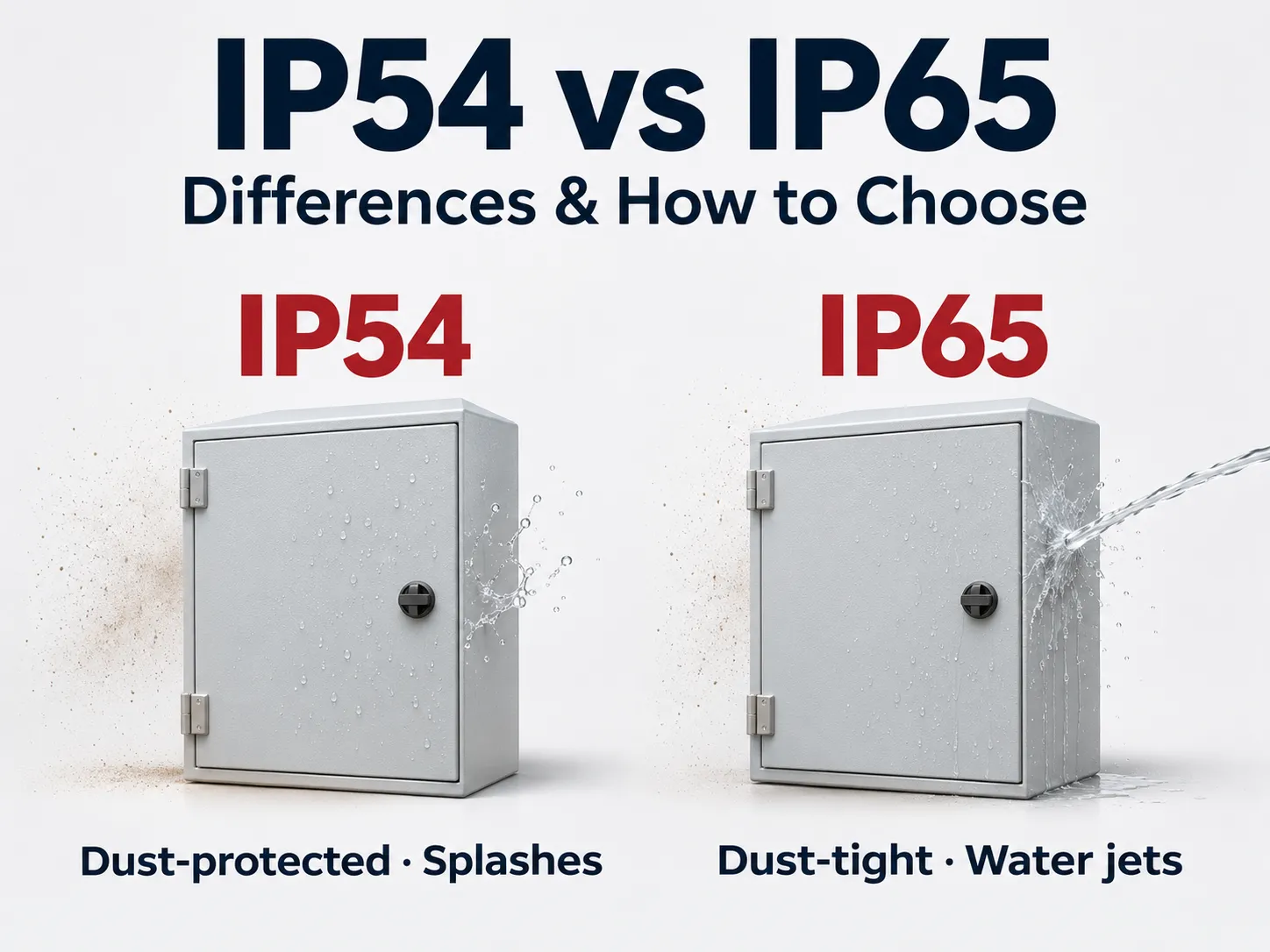
Solid Protection (5): Dust-protected; some dust may enter, but not enough to interfere with operation.
Liquid Protection (5): Protects against low-pressure water jets from any direction.
Use Case: Suitable for outdoor environments with moderate dust and water exposure.
- IP65:
Solid Protection (6): Dust-tight; no dust ingress.
Liquid Protection (5): Protects against low-pressure water jets.
Use Case: Ideal for dusty environments and areas with occasional water exposure.
- IP66:
Solid Protection (6): Dust-tight; complete Protection against dust.
Liquid Protection (6): Protects against powerful water jets.
Use Case: It is suitable for heavy-duty outdoor environments with high dust levels and strong water jets, such as industrial sites.
- IP67:
Solid Protection (6): Dust-tight.
Liquid Protection (7): Protects against temporary immersion in water up to 1 meter for 30 minutes.
Use Case: Perfect for environments where the enclosure might be temporarily submerged, such as heavy rain or flooding.
- IP68:
Solid Protection (6): Dust-tight.
Liquid Protection (8): Protects against continuous immersion in water under conditions specified by the manufacturer.
Use Case: Ideal for extreme environments where the enclosure is continuously submerged, such as underwater installations.
Why IP Ratings Matter
Choosing the correct IP rating for your enclosure ensures that your electrical components are protected from environmental hazards. Here’s why it’s important:
- Prevent Damage: Proper IP ratings protect your equipment from dust and water, preventing malfunctions and prolonging the lifespan of your devices.
- Safety: Ensuring your enclosure is properly rated helps prevent short circuits and electrical hazards caused by water or dust ingress.
- Compliance: Many industries have specific standards and regulations regarding IP ratings. Choosing an enclosure with the correct rating ensures compliance with these requirements.
Understanding IP ratings and selecting the appropriate one for your needs is essential for ensuring reliable performance in any environment. This careful consideration helps safeguard your equipment against potential damage and ensures long-term operational success.
Thermal Management
Managing temperature is crucial for the reliability of outdoor electrical enclosures. Extreme temperatures can significantly impact the performance and longevity of electrical components. Here, we’ll explore the effects of temperature extremes and the solutions available to manage thermal conditions effectively.
Impact of Extreme Temperatures on Electrical Components
Electrical components are sensitive to temperature changes. Both high and low temperatures can cause problems:
- High Temperatures: Excessive heat can lead to overheating, causing components to fail or degrade faster. Heat can affect the insulation properties of materials, leading to potential short circuits or fire hazards.
- Low Temperatures: Icy conditions can make materials brittle and prone to cracking. Cold can also affect battery performance and the functioning of certain electronic parts.
- Temperature Fluctuations: Rapid changes between hot and cold can cause expansion and contraction, leading to material fatigue and potential failure of seals and joints.
Solutions for Thermal Management
To ensure your enclosure maintains an optimal temperature, consider these thermal management solutions:
Ventilation
- Passive Ventilation: Uses natural airflow to cool the enclosure. Vents are strategically placed to allow heat to escape and cooler air to enter.
- Active Ventilation: Involves the use of fans or blowers to force air through the enclosure, providing more effective cooling. This is ideal for enclosures with significant heat generation.
Heat Sinks
- Heat Dissipation: Heat sinks absorb and dissipate heat away from critical components. They are handy for enclosures housing high-power equipment that generates much heat.
- Material Choice: Typically made from aluminum or copper, which have excellent thermal conductivity.
Insulation
- Thermal Insulation: Keeps internal temperatures stable by reducing the impact of external temperature changes. Insulating materials can be added to the enclosure’s walls to protect against heat and cold.
- Radiant Barriers: These reflect heat away from the enclosure, which is proper in hot climates where direct sunlight can raise internal temperatures significantly.
Importance of Maintaining Optimal Temperature for Reliable Performance
Maintaining an optimal temperature is vital for several reasons:
- Component Longevity: Keeping temperatures within safe limits ensures electrical components last longer and perform reliably.
- Operational Efficiency: Equipment operates more efficiently within its designated temperature range, reducing the risk of malfunctions.
- Safety: Preventing overheating and ensuring components do not become brittle in cold conditions reduces the risk of electrical failures, which can lead to fires or other hazards.
- Cost Savings: Effective thermal management reduces the need for frequent maintenance and replacement of damaged components, saving time and money in the long run.
By implementing the right thermal management strategies, you can protect your electrical equipment from the adverse effects of extreme temperatures, ensuring reliable performance and longevity.

Security and Access Control
Ensuring the security of your outdoor electrical enclosures is essential to protect your equipment from unauthorized access, tampering, and damage from animals and insects. Here’s how to address these risks effectively:
Risks of Unauthorized Access and Tampering
Outdoor electrical enclosures can be targets for tampering and unauthorized access, which can lead to:
- Vandalism: Deliberate damage or destruction of equipment by individuals with malicious intent.
- Theft: Unauthorized removal of valuable components, leading to operational disruptions and financial loss.
- Accidental Interference: Untrained personnel or curious individuals might inadvertently cause damage or disrupt operations by accessing the enclosure.
Protective Measures
To safeguard your enclosures, consider implementing the following security measures:
Secure Locking Mechanisms
- Robust Locks: Use high-quality padlocks, deadbolts, or electronic locks that are difficult to break or tamper with. These locks should be durable and suitable for the specific environmental conditions of the enclosure’s location.
- Key Control: Manage and control who can access the keys, ensuring only authorized personnel can open the enclosure.
Tamper-Proof Screws
- Specialized Fasteners: Use tamper-proof screws and bolts that require unique tools for removal. These fasteners deter unauthorized individuals from quickly accessing the enclosure.
- Additional Layers: Combine tamper-proof screws with other security measures for enhanced Protection.
Alarm Systems
- Breach Detection: Install alarm systems that trigger when the enclosure is opened without authorization. These alarms can be connected to central monitoring systems to alert security personnel immediately.
- Deterrence: Visible alarm systems can act as a deterrent to potential vandals or thieves.
Protection Against Damage from Animals and Insects
Animals and insects can cause significant damage to electrical enclosures, leading to equipment failure and maintenance issues. Implement the following protective measures:
Sealed Enclosures
- Tight Seals: Ensure the enclosure is tightly sealed to prevent small animals, such as rodents and insects, from entering. Weatherstripping and gaskets can achieve this.
- Regular Inspections: Conduct regular inspections to check for any breaches or weaknesses in the seals.
Mesh Screens
- Ventilation Protection: Use fine mesh screens over ventilation openings to allow airflow while keeping pests out. These screens should be durable and corrosion-resistant to withstand outdoor conditions.
- Custom Solutions: Consider custom-designed screens that securely fit over ventilation openings without compromising the enclosure’s integrity.
Pest-Resistant Materials
- Durable Construction: Use materials that are resistant to chewing and burrowing by animals. Enclosures made from certain plastics or metals can deter rodents.
- Chemical Barriers: Apply non-toxic pest-repellent coatings or barriers around the enclosure to keep insects and animals away.
By addressing these security and access control concerns, you can ensure that your outdoor electrical enclosures remain secure and functional. Implementing these protective measures helps prevent unauthorized access, tampering, and damage from animals and insects, ultimately safeguarding your valuable electrical equipment.
Compliance with Industry Standards
Ensuring your outdoor electrical enclosures comply with industry standards and certifications is crucial. Compliance guarantees the quality and performance of your products and enhances their reliability and safety.
Importance of Adhering to Standards and Certifications
Adhering to recognized standards and certifications is essential for several reasons:
- Quality Assurance: Standards like ISO 9001:2015 ensure that products are manufactured consistently and meet high-quality criteria. This reduces the risk of defects and failures.
- Safety: Compliance with safety standards helps prevent accidents and injuries. This is particularly important for electrical enclosures, protecting sensitive equipment and users.
- Customer Trust: Customers trust products that meet industry standards more. Compliance signals that your products are reliable and of high quality.
- Regulatory Requirements: Compliance with specific standards is mandatory in many regions and industries. Non-compliance can result in fines, legal issues, and the inability to market your products.
How Compliance Ensures Quality and Performance
Compliance with industry standards involves rigorous testing and quality control processes. Here’s how it ensures quality and performance:
- Testing Protocols: Standards define specific testing protocols that products must pass. These tests simulate real-world conditions to ensure the enclosures withstand various environmental and operational stresses.
- Consistent Manufacturing: Standards require manufacturers to follow documented processes and procedures. This consistency in manufacturing leads to reliable and uniform products.
- Continuous Improvement: Certifications like ISO 9001:2015 encourage continuous improvement. Regular audits and reviews ensure manufacturers consistently strive to enhance product quality and performance.
Examples of Standards Relevant to Outdoor Electrical Enclosures
Several standards are particularly relevant to outdoor electrical enclosures. Here are some key examples:
ISO 9001:2015
- Quality Management: This standard focuses on quality management systems. It ensures that organizations consistently provide products that meet customer and regulatory requirements.
- Continuous Improvement: It promotes a process approach and continuous improvement, helping manufacturers maintain high-quality standards over time.
IEC 60529
- Ingress Protection (IP) Ratings: This standard defines the IP rating system, classifying the degree of Protection provided by enclosures against dust and water ingress. Higher IP ratings indicate better Protection, which is crucial for outdoor environments.
- Testing Procedures: IEC 60529 specifies testing methods to determine an enclosure’s IP rating, ensuring that products can withstand the conditions they are rated for.
NEMA Standards
- National Electrical Manufacturers Association (NEMA): These standards provide guidelines for enclosures used in North America. They cover aspects like corrosion resistance, watertightness, and dust protection.
- Types of Enclosures: NEMA ratings categorize enclosures based on their ability to withstand environmental conditions, such as NEMA 3R for outdoor use to protect against rain and sleet.
UL 50 and UL 50E
- Underwriters Laboratories (UL): These standards cover the construction and performance of enclosures. UL 50 focuses on general construction, while UL 50E addresses environmental considerations.
- Safety and Reliability: Compliance with UL standards ensures that enclosures are safe to use and perform reliably under specified conditions.
By ensuring compliance with these and other relevant standards, you can guarantee that your outdoor electrical enclosures are of the highest quality, safe, and reliable. This adherence to standards protects your equipment and users and builds trust and confidence in your products.
Conclusion
Choosing the proper outdoor electrical enclosure is essential for protecting your equipment and ensuring reliable performance. By considering the environment, selecting suitable materials, ensuring proper Protection, managing temperatures, and adhering to industry standards, you can enhance the reliability and longevity of your electrical equipment.
For customized solutions, it’s always best to consult with experts. Professionals can provide tailored advice and design enclosures that meet your needs and challenges. This ensures optimal performance and peace of mind, knowing that your equipment is well-protected.
Thank you for reading. If you have any questions or need further assistance, please get in touch with us. Your journey to finding the perfect outdoor electrical enclosure starts here!




 EN
 ES
 FR
 AR
 JA
 KO
 RU
 DE
 PT
 IT
 ZH
 TH
 VI
 HI
 MS
