

How Design Choices Affect Enclosure Cost
Use the drawing to see which features add a shop operation or require a separate check.
Material, Finish, and Enclosure Type
Metal grade and thickness affect material and forming costs. The panel layout on each sheet affects how much metal goes to waste. Custom powder coat colors may need a separate run. Surface prep and masking can add labor.
Where corrosion resistance is required, price the metal, fasteners, and seals together. Give each supplier the same enclosure Type and finish requirements. If a supplier proposes a change in enclosure material, ask whether its price includes any related changes to the hardware or finish.
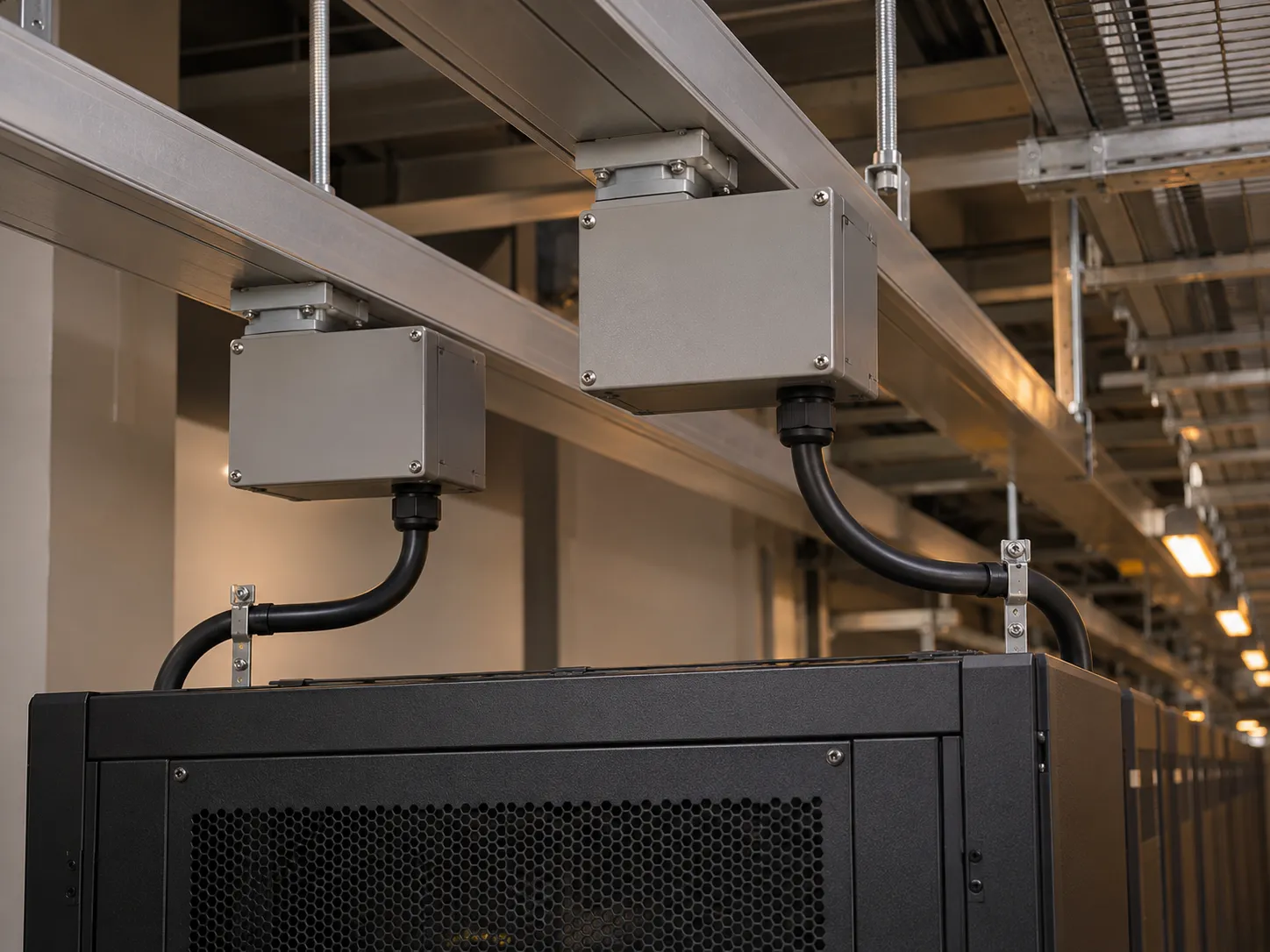
Cutouts, Hardware, and Busway Fit
Two openings in a flat panel can often be cut in one setup. A feature near a bend can change how the shop holds or forms the part. Welded brackets and hardware that needs a separate installation step add labor. Specify tight tolerances where they affect fit, such as the mounting-hole pattern or connector opening.
For left- and right-hand cable exits, ask one supplier to price separate housings and a shared housing with a different cable-entry plate for each side. Use the same quantities for both options. Ask which bends and fixtures can be shared. Check mounting fit, cable clearance, and any required enclosure rating with each plate and its fittings installed. For the housing itself, E-Abel’s customized enclosures can be specified with cutouts and mounting plates to suit the drawing.
Ask the supplier to quote the specified design first. If the specification allows a standard powder coat color or a stocked fastener, ask for the price and lead-time change for each option. Before approving a substitute, confirm that the revised configuration meets the project’s fit, enclosure rating, and any applicable certification requirements.
If a change affects the busway interface or falls outside the documented configuration, have the project’s electrical team confirm the review needed. Ask the supplier to itemize any added engineering or testing. UL 857 covers specified types of busway and related fittings, including tap boxes and plug-in devices. For the configuration you’re buying, check which records cover the enclosure’s environmental rating and which cover any required certification of the complete tap-off unit.

How Tooling, Batches, and Revisions Affect Cost
Drawing review, programming, and tooling may be billed once. Ask which production setup costs are charged for each run and whether the unit price already includes tooling. When upfront and setup fees stay the same, a larger run spreads those costs across more enclosures. Confirm whether the first article, a sample made using the planned production process, is billed separately and what would trigger another charge.
For a single configuration, multiply the quoted unit price by the order quantity. Add any required fabrication charges billed separately from that unit price, such as one-time tooling charges or setup fees for the planned production runs. Divide the total by the order quantity to get the effective fabrication cost per enclosure.
Consider a hypothetical order for 25 identical enclosures. Supplier A quotes $600 upfront, $100 per enclosure, and $100 per production run. Supplier B quotes $200 upfront, $120 per enclosure, and $25 per run. In this example, each supplier keeps its unit price when the schedule changes, and delivery costs and other terms are equal.
One production run. A totals $3,200 ($128 per enclosure) and B totals $3,225 ($129 per enclosure). A costs $25 less.
Two production runs. A totals $3,300 ($132 per enclosure) and B totals $3,250 ($130 per enclosure). B costs $50 less.
For two deliveries, compare one production run with stock held between shipments against two separate runs. Use the same delivery dates for both quotes and include storage, packing, and freight.
If the order includes 15 left-exit and 10 right-exit enclosures, ask for a unit price for each version at its stated quantity. Have the supplier show which tooling and setup charges are shared and which first-article checks are needed for each version. Count each separately billed shared charge once when comparing the total cost of the order.
Before approving a drawing revision, ask which programs or fixtures the shop can reuse, which work must be redone, and which work already completed is billable. Have the supplier tie extra charges to the drawing revision that triggered them.
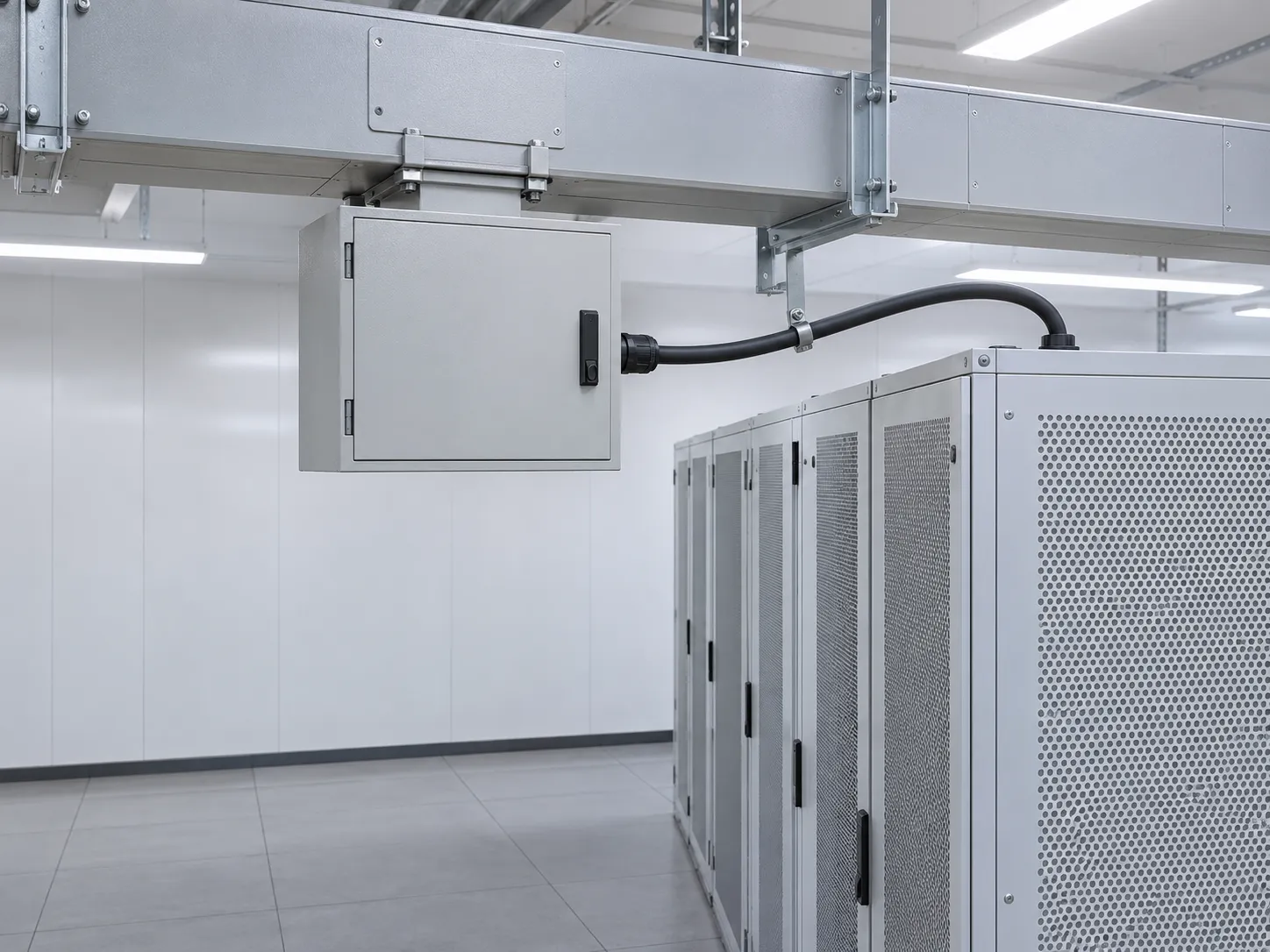
How to Compare Custom Enclosure Quotes
Give each bidder the same tap-off box specifications. Use the table to mark each required item as included, separately priced, the buyer’s responsibility, or pending.
| Quote Item | Match Across Suppliers | Ask the Supplier |
|---|---|---|
| Supply scope | Housing, covers, brackets, cable-entry plates, and hardware | What ships assembled or loose, and what must our team provide or install? |
| Drawings and variants | Drawing and parts list revisions, plus quantity by version | What differs from the drawings? Can you price each proposed change separately? |
| Production and shipment | Quantities per run, delivery dates, and who holds stock between shipments | Which fees change if we move a delivery date and keep the same order quantity? |
| Samples and verification | Required samples, inspection records, and any agreed review or tests | What records will we receive, when will we get them, and who pays for work outside the quote? |
| Delivery terms | Ship-to location, packing, freight, and quote validity | How much does delivery by our required date cost? Please list any rush charge separately. |
To compare the full cost, start with each supplier’s quoted total for the agreed quantities and configurations. Add any required charges it excludes and the known cost of parts or work your team must cover. Keep optional upgrades separate so the base quotes cover the same scope. If a required item is still unpriced, flag it and record any budget allowance separately from confirmed costs. Ask what the supplier needs to turn a budget estimate into a firm quote.
FAQs about Busway Tap-Off Box Enclosure Costs
Conclusion
Before issuing a purchase order, ask for an updated quote that includes agreed changes to the scope, drawing revision, or delivery schedule. That gives purchasing and receiving teams a common reference for the order.
If you’re pricing a custom busway tap-off box enclosure, contact E-Abel with the current drawing revision, quantities by version, and required delivery dates. Tell us which designs you’re comparing or which cost is still open. We can review the enclosure scope with you and identify which fabrication work to price separately.
Related Reading
Drawings for a Busway Tap-Off Box Enclosure Quote
How to Estimate Sheet Metal Fabrication Costs
Tap-Off Box Cutouts for Breakers and Sockets
How Electrical Enclosures Are Made




 EN
 ES
 FR
 AR
 JA
 KO
 RU
 DE
 PT
 IT
 ZH
 TH
 VI
 HI
 MS
