

Quick Comparison: Control Panel vs Enclosure
| Élément | Panneau de contrôle | Boîtier électrique |
|---|---|---|
| Fonction principale | Controls electrical operation | Protects electrical components |
| Fonction principale | Switching, automation, monitoring, safety control | Housing, sealing, protection, access control |
| Contenu typique | Breakers, PLCs, relays, contactors, terminals, wiring | Cabinet body, door, gasket, mounting plate, cutouts |
| Common use | Machines, pumps, motors, HVAC, production lines | Junctions, electronics, wiring, field devices, panel housing |
| Facteurs de coût | Components, wiring, engineering, testing | Material, size, thickness, finish, rating |
| Best choice when | You need a wired and tested control system | You need a custom protective cabinet |
The simple difference is this: an enclosure is the protective body, while the control panel is the working electrical system inside.
Qu'est-ce qu'un panneau de contrôle ?

A control panel is an assembled electrical control system. It is used to manage power, machines, motors, pumps, HVAC systems, production lines, and automation equipment.
An industrial control panel may include circuit breakers, contactors, relays, PLCs, power supplies, terminal blocks, HMIs, switches, wiring ducts, DIN rails, and safety devices.
Its main job is not just to hold parts. It must make the electrical system work safely and correctly.
For example, a motor control panel can start and stop motors, protect circuits, show alarms, and support automatic operation. A PLC control panel can manage sensors, signals, and machine logic in a production line.
This is why a complete control panel usually requires design, component selection, wiring, testing, labeling, and documentation before delivery. If you want to understand the internal parts in more detail, this guide to composants du panneau de commande électrique can help you review the common devices used inside a panel.
Qu'est-ce qu'un boîtier électrique ?

An electrical enclosure is a protective box, cabinet, or housing used to hold electrical or electronic components. It protects the parts inside from environmental and safety risks.
A custom electrical enclosure may protect against dust, water, rain, impact, corrosion, chemical exposure, unauthorized access, and accidental contact.
Common materials include carbon steel, stainless steel, aluminum, fiberglass, plastic, and polycarbonate. The right material depends on the installation environment and budget.
Carbon steel is common for indoor industrial use. Stainless steel is better for outdoor, washdown, food processing, marine, or corrosive areas. Aluminum is lightweight and corrosion-resistant. Fiberglass and plastic are useful when non-metallic protection is needed.
An enclosure can include doors, locks, gaskets, mounting plates, cable holes, ventilation parts, or custom cutouts. For projects that need non-standard size, material, rating, or layout, learning how coffrets électriques sur mesure are designed can help you prepare clearer requirements before quoting.
Main Difference: Protection vs Control
The main difference between an electrical control panel and an enclosure is function. The enclosure protects the system. The control panel operates the system.
A control panel enclosure is the cabinet that houses the control system. It may look like a standard electrical cabinet from the outside, but the inside makes the real difference.
If you only need a cabinet, ask for an electrical enclosure. If you need a wired and tested system, ask for a complete electrical control panel.
This small difference can change the price, lead time, supplier responsibility, testing scope, and installation work. Before requesting a quote, define whether you need protection only or full control.
For automation and machine projects, an boîtier de panneau de commande industriel must support both component protection and practical internal layout, including wiring space, mounting plates, cable entry, and maintenance access.

When to Buy Only an Enclosure
You should buy only an enclosure when the internal electrical work will be handled locally or when the project only needs protective housing.
This is common when you already work with a local panel builder, electrician, or system integrator. In this case, the enclosure supplier only needs to provide the cabinet structure, material, rating, cutouts, and mounting design.
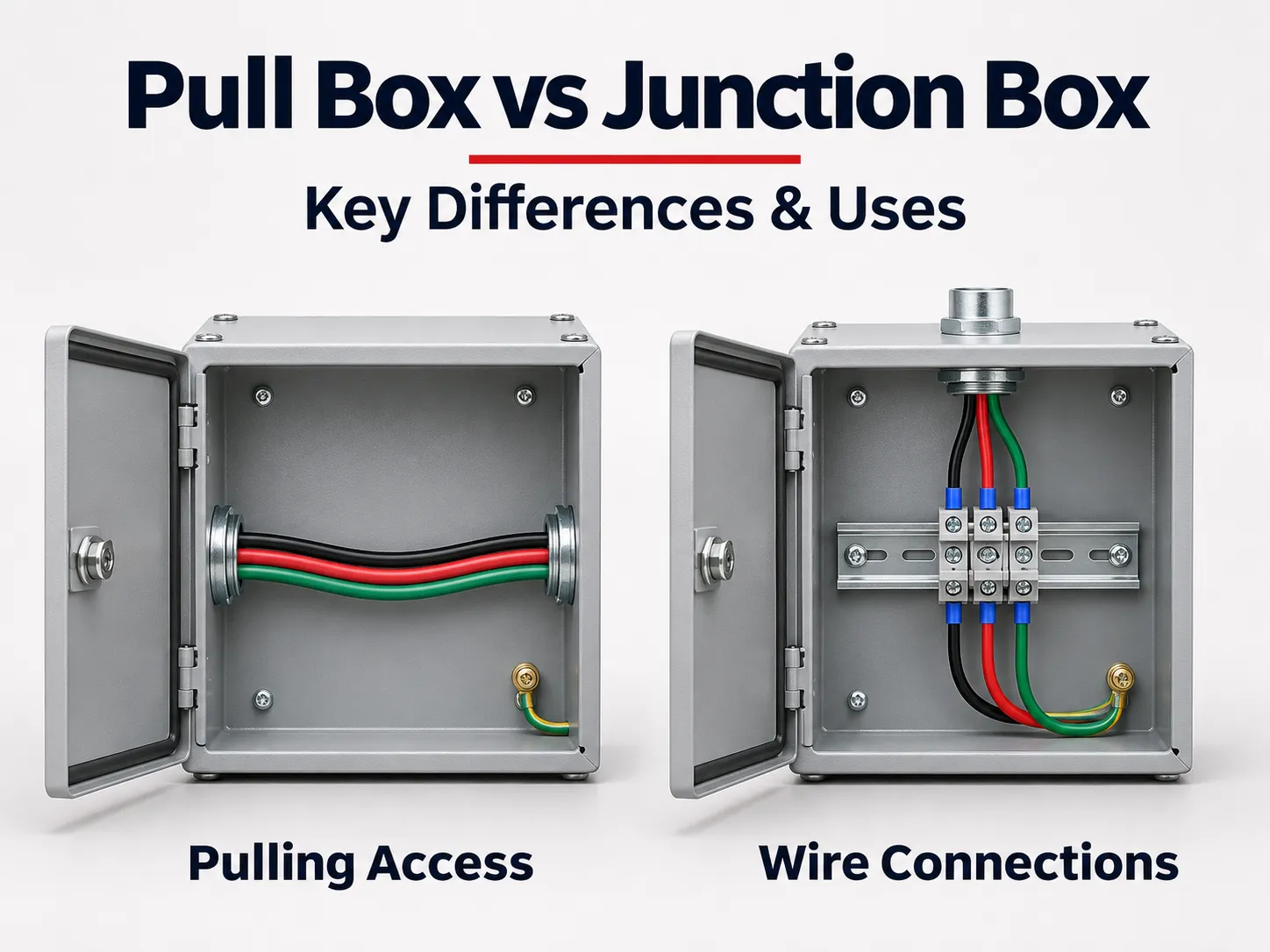
A bare enclosure is also a good choice for junction boxes, wiring cabinets, field device housing, PCB protection, and simple retrofit projects.
This option gives more flexibility. Local technicians can install components based on local standards, available brands, and site conditions.
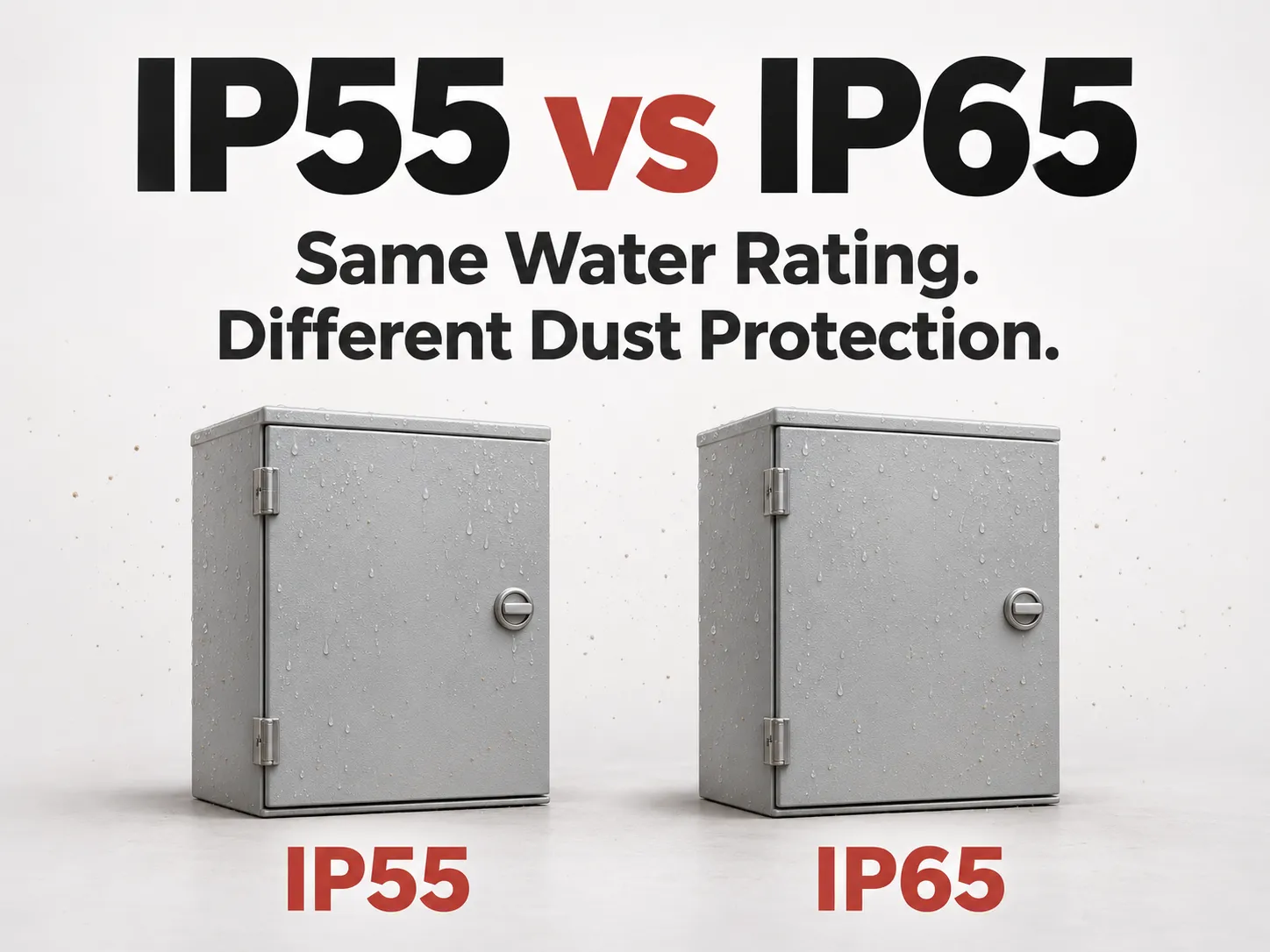
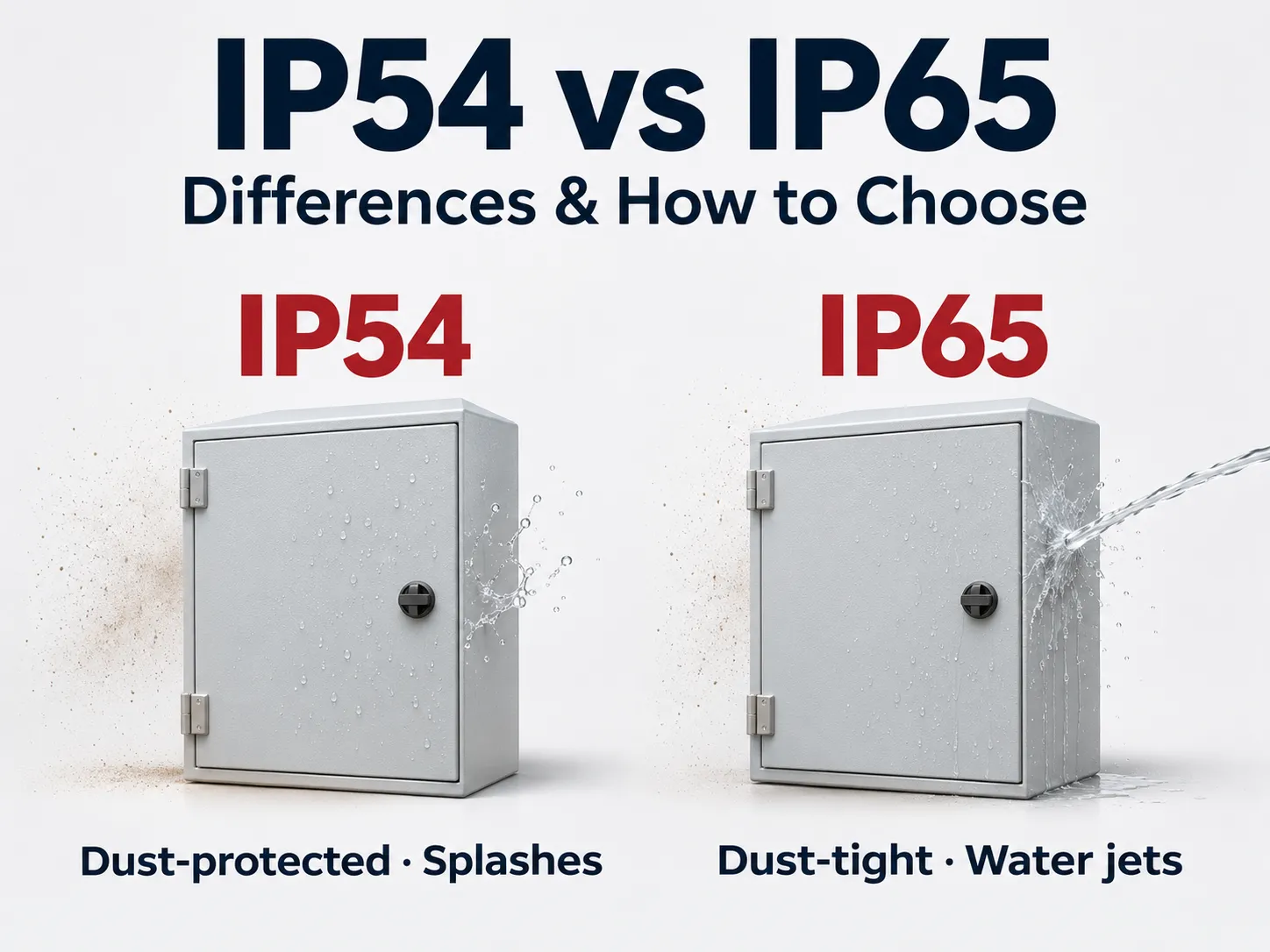
However, the enclosure must match the environment. For outdoor use, check the IP rated enclosure or NEMA rated enclosure requirement. The Indices de protection IP IEC system helps explain dust and water ingress protection, while Types de boîtiers NEMA are widely used for North American enclosure selection.
When to Buy a Complete Control Panel
You should buy a complete control panel when the project needs more than a cabinet. This is the better choice if you need wiring, components, logic, testing, and documentation included.
A complete panel is often used for automation systems, motor control, pump control, HVAC control, machinery control, and industrial power management.
It can reduce local installation work because the components are already installed and tested before shipment. This helps OEM equipment builders and project contractors save time on-site.
A wired control panel also makes quality responsibility clearer. One supplier is responsible for assembly, wiring layout, labels, drawings, and basic testing.
For projects entering the North American market, you may also need to consider UL 508A industrial control panels, especially when panel construction, component selection, labeling, and compliance are part of the project scope.
For complex projects, send voltage data, load information, control logic, component brand preferences, wiring diagrams, and certification needs before asking for a quote.

Key Factors Before Choosing
The right choice depends on your project scope, not only the cabinet size. A low price may only cover the empty enclosure, while another quote may include a complete assembled control panel.
| Critère | Pourquoi est-ce important ? |
|---|---|
| Application | Decides whether you need protection, control, or both |
| Environnement | Affects sealing, material, coating, and corrosion resistance |
| Indice de protection IP ou NEMA | Defines dust, water, weather, and safety protection |
| Matériau | Impacts strength, weight, durability, and cost |
| Size and layout | Must allow enough space for components, wiring, and maintenance |
| Wiring scope | Separates enclosure quotes from control panel quotes |
| Dissipation de chaleur | Prevents overheating and component failure |
| Certification | May affect project approval, market access, and inspection |
For sealed cabinets, thermal management should not be ignored. An enclosure can support thermal protection, but heat control may require vents, fans, filters, heat exchangers, or cooling units. This enclosure cooling guide explains when passive cooling is enough and when active cooling is a safer choice.
If you are unsure whether to use an IP or NEMA rating, compare both systems before finalizing the cabinet design. This guide to Indice de protection IP ou NEMA selection can help you match the enclosure to the project environment.
Cost Difference: Enclosure vs Control Panel
An enclosure usually costs less because it is mainly a fabricated protective cabinet. The price depends on material, size, sheet thickness, surface finish, sealing design, cutouts, quantity, and packaging.
A control panel costs more because it includes the enclosure plus electrical components, wiring labor, engineering, testing, labels, drawings, and documentation.
| Poste de coût | Coffret | Panneau de contrôle |
|---|---|---|
| Cabinet material | Main cost factor | Included |
| Composants électriques | Usually not included | Major cost factor |
| Wiring labor | Not included | Included |
| Ingénierie | Limitée | Important |
| Essai | Basic inspection | Functional testing may be required |
| Documentation | Basic drawing | Wiring diagram, labels, and reports |
Two products may look similar from the outside but have very different values. A stainless steel enclosure is only the housing. A stainless steel control panel enclosure with wired components is a much larger project scope.

Common Buying Mistakes
One common mistake is comparing an empty enclosure with a fully wired control panel. The outer size may be similar, but the internal work and supplier responsibility are very different.
Another mistake is ignoring the protection rating. An indoor electrical cabinet may not be suitable for outdoor rain, heavy dust, washdown areas, or corrosive environments.
Material selection also matters. Carbon steel may be enough for clean indoor use, while stainless steel is often better for outdoor, food processing, chemical, coastal, or humid areas.
Heat is another issue that is easy to miss. If many components are installed inside a sealed cabinet, poor ventilation can shorten component life or cause failure.
Electrical safety should also be considered during layout and installation. OSHA notes that electrical equipment exposed to physical damage should be protected by suitable enclosures or guards, which is why cabinet strength and placement matter in real industrial sites. You can review the related electrical equipment protection guidance for more context.
Before production, confirm who will handle wiring, testing, labeling, and documentation. This avoids wrong orders and makes the quotation scope easier to compare.
How to Choose the Right Supplier
If you need a custom electrical enclosure, choose a supplier with strong sheet metal fabrication, material options, sealing design, surface treatment, and custom size support.
If you need a complete electrical control panel, choose a supplier with electrical assembly experience, engineering support, wiring quality control, testing ability, and documentation support.
For projects that need a custom enclosure instead of a fully wired panel, Eabel’s coffrets électriques sur mesure can be used for industrial cabinets, control panel enclosures, outdoor electrical boxes, and project-based enclosure solutions. You can choose the material, size, rating, cutouts, mounting design, and finish based on your application.
Before sending an inquiry, prepare these details:
- Application, installation environment, and indoor or outdoor use
- Required size, material, finish, IP rating, or NEMA rating
- Cutout drawings, mounting layout, and cable entry position
- Component list, voltage data, wiring scope, and testing needs
- Certification, packaging, branding, and delivery requirements
A good supplier should help you confirm whether you need a bare electrical enclosure, a custom control panel enclosure, or a fully assembled industrial control panel enclosure.
For repeat orders, OEM projects, or private label programs, supplier stability is even more important. Consistent dimensions, surface finish, packaging, and quality control can reduce problems in later batches.

FAQs About Control Panel vs Enclosure Selection
Conclusion

Control panels and electrical enclosures are closely related, but they solve different problems. A control panel controls electrical operation, while an enclosure protects the components inside.
If you only need protection, a custom electrical enclosure may be enough. If you need machine control, automation, motor control, or power management, a complete control panel is usually the better choice.
Before ordering, confirm your application, environment, IP or NEMA rating, material, size, wiring scope, testing needs, and certification requirements. Clear scope helps you get a more accurate quote and avoid costly mistakes.
If you are planning an electrical cabinet, control panel enclosure, or custom industrial enclosure project, Contactez-nous with your size, material, rating, drawings, and application details. Our team can help you choose the right structure, protection level, and customization solution for your project.
À lire également
Qu’est-ce qu’une enveloppe électrique ? Guide complet
Explication des différents types d'enveloppes électriques
Guide d’achat des enveloppes électriques industrielles
Electrical Enclosure Sizes: Comprehensive Guide
Enveloppes en acier au carbone ou en acier inoxydable
Les enveloppes électriques ont-elles besoin de ventilation ?




 FR
 EN
 ES
 AR
 JA
 KO
 RU
 DE
 PT
 IT
 ZH
 TH
 VI
 HI
 MS
