

Qu'est-ce qu'un panneau de contrôle électrique ?

An electrical control panel is a cabinet that houses components used to control, protect, and monitor electrical equipment.
It can control motors, pumps, conveyors, packaging machines, HVAC systems, water treatment equipment, and other industrial systems.
Common parts include circuit breakers, relays, contactors, PLCs, HMIs, terminal blocks, fuses, power supplies, transformers, and wiring. To understand each part in more detail, you can read this guide on composants du panneau de commande électrique.
The panel design depends on your application. Some systems need simple relay control. Others need PLC programming, HMI screens, alarms, remote monitoring, or custom enclosure protection.
Key Benefits of an Electrical Control Panel
The main benefit of an electrical control panel is organized system control. Instead of scattered wires and switches, key components are placed in one safer and easier-to-service cabinet.
| Avantage | Pourquoi c'est important |
|---|---|
| Safer operation | Helps reduce overload, short circuit, and machine operation risks. |
| Better automation | Allows motors, pumps, and machines to run with less manual work. |
| Faster troubleshooting | Clear wiring and labels make faults easier to locate. |
| Less downtime | Protection devices and alarms help prevent larger failures. |
| Better energy control | With VFDs, sensors, or control logic, equipment can run closer to real demand. |
| Entretien plus facile | Centralized components make inspection and replacement simpler. |
| Custom system design | The panel can match your voltage, load, process, and working environment. |
Ces boîtiers de panneaux de contrôle industriels benefits affect more than daily operation. They also influence service time, repair cost, equipment life, and project reliability.

How Electrical Control Panels Improve Safety
Industrial equipment often works with high voltage, moving parts, motors, heat, and heavy loads. Without proper control, the system may create serious risks.
A control panel improves safety through circuit breakers, fuses, overload relays, grounding, emergency stop circuits, alarms, and proper wiring layout. OSHA also explains that workplace electrical hazards may include shock, electrocution, fires, and explosions, so proper electrical safety hazards control is important.
For example, if a motor draws too much current, an overload device can stop the circuit before serious damage happens.
An emergency stop circuit can help stop the machine or trigger a safe shutdown, depending on the system design.
Good panel layout also helps your maintenance team. Clear labels, separated wiring, and updated drawings reduce mistakes during testing, inspection, and part replacement.
How Control Panels Support Automation and Efficiency
Electrical control panels are the base of many automation systems. They help machines run with less manual operation and more stable control.
A PLC control panel can receive signals from sensors, switches, and measuring devices. Then it controls motors, valves, pumps, lights, alarms, and other equipment based on programmed logic.
An HMI control panel allows operators to view system status, adjust settings, check alarms, and control equipment from a screen. For layout and safety details, see this guide to Conception du panneau PLC.
This is useful for production lines, pump stations, HVAC systems, conveyors, packaging machines, food processing equipment, and OEM machinery.
With better automation, your system can reduce human error, improve output consistency, and make daily operation easier.

How Electrical Control Panels Reduce Downtime
Downtime is costly. When a machine stops, workers wait, production slows, and orders may be delayed.
A well-built electrical control panel can make fault finding faster. Clear labels, organized terminal blocks, alarm indicators, and wiring diagrams help technicians locate problems with less guesswork.
Protection devices also help stop small faults from becoming major failures. This can reduce emergency repairs and protect expensive equipment.
The real saving often comes from fewer shutdowns, faster service, and less production loss.
Where Electrical Control Panels Are Used
Electrical control panels are used in many industrial and commercial systems. They help control equipment safely, organize wiring, and support stable operation.
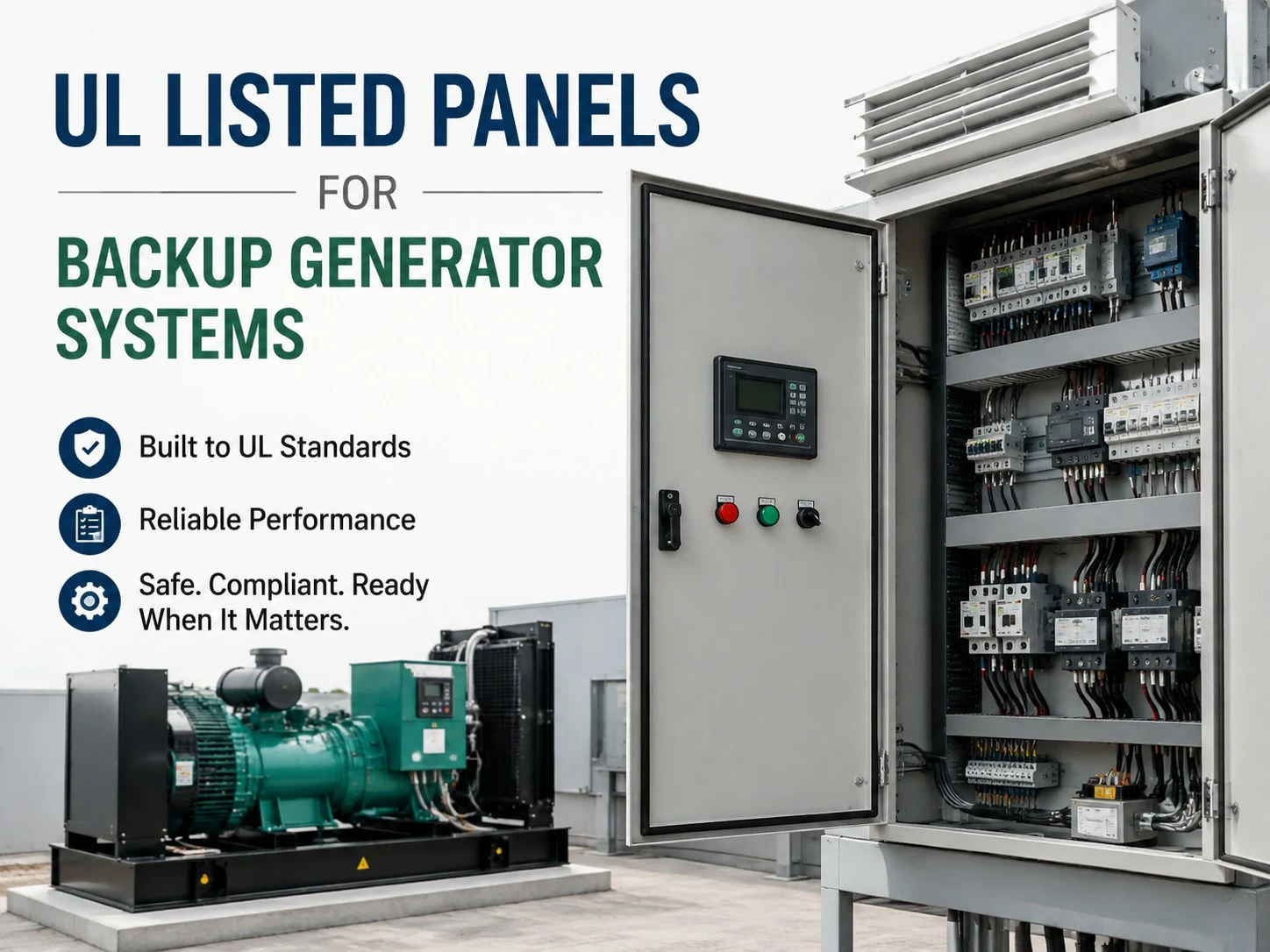
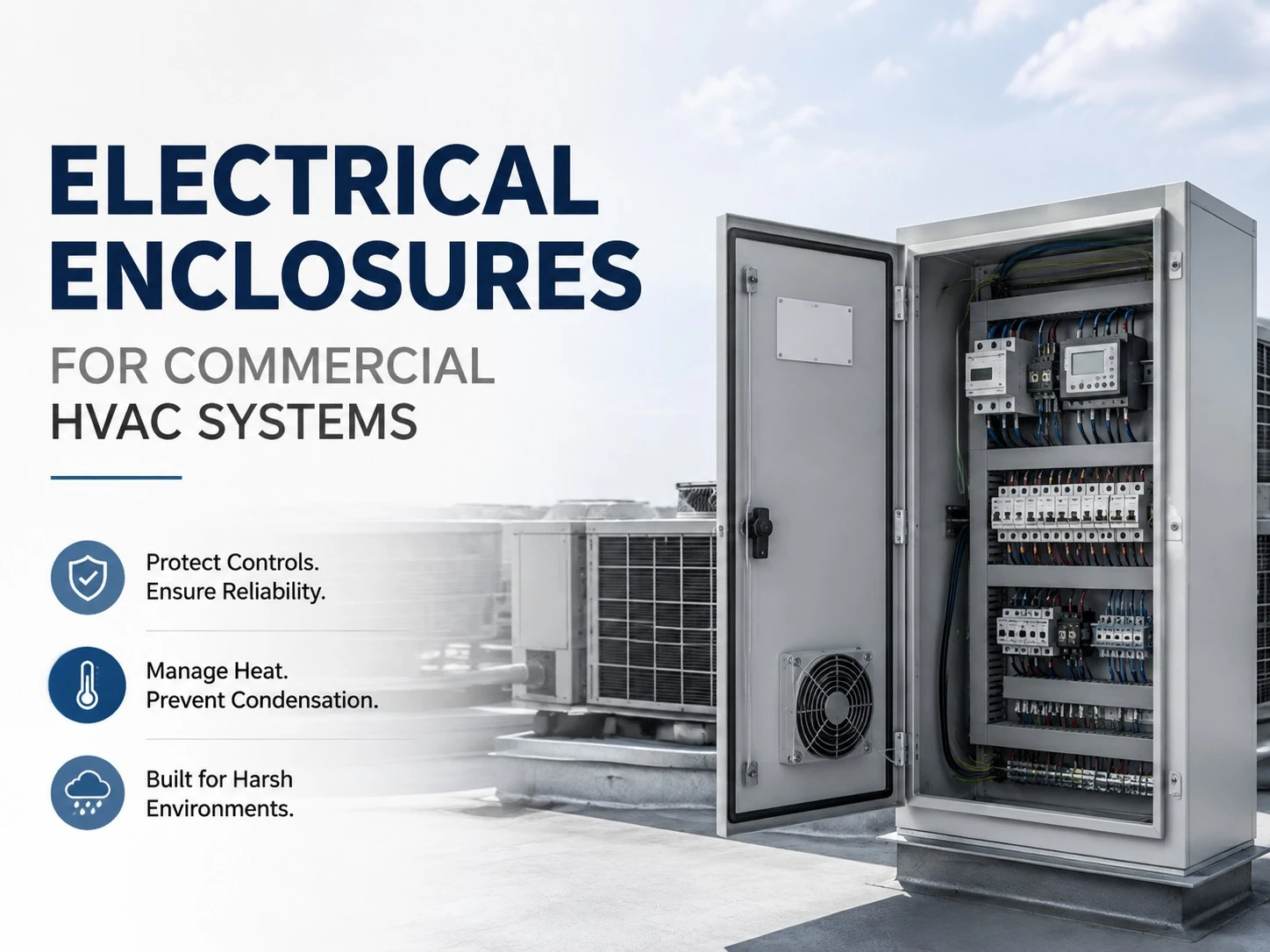
Common applications include manufacturing equipment, packaging machines, HVAC systems, pump systems, water treatment equipment, building automation, power distribution, and OEM machinery projects.
No matter the industry, the goal is similar: safer control, easier operation, and dependable performance.
Standard vs Custom Electrical Control Panels
A standard control panel may be enough for simple equipment with common voltage, basic control logic, and normal indoor installation.
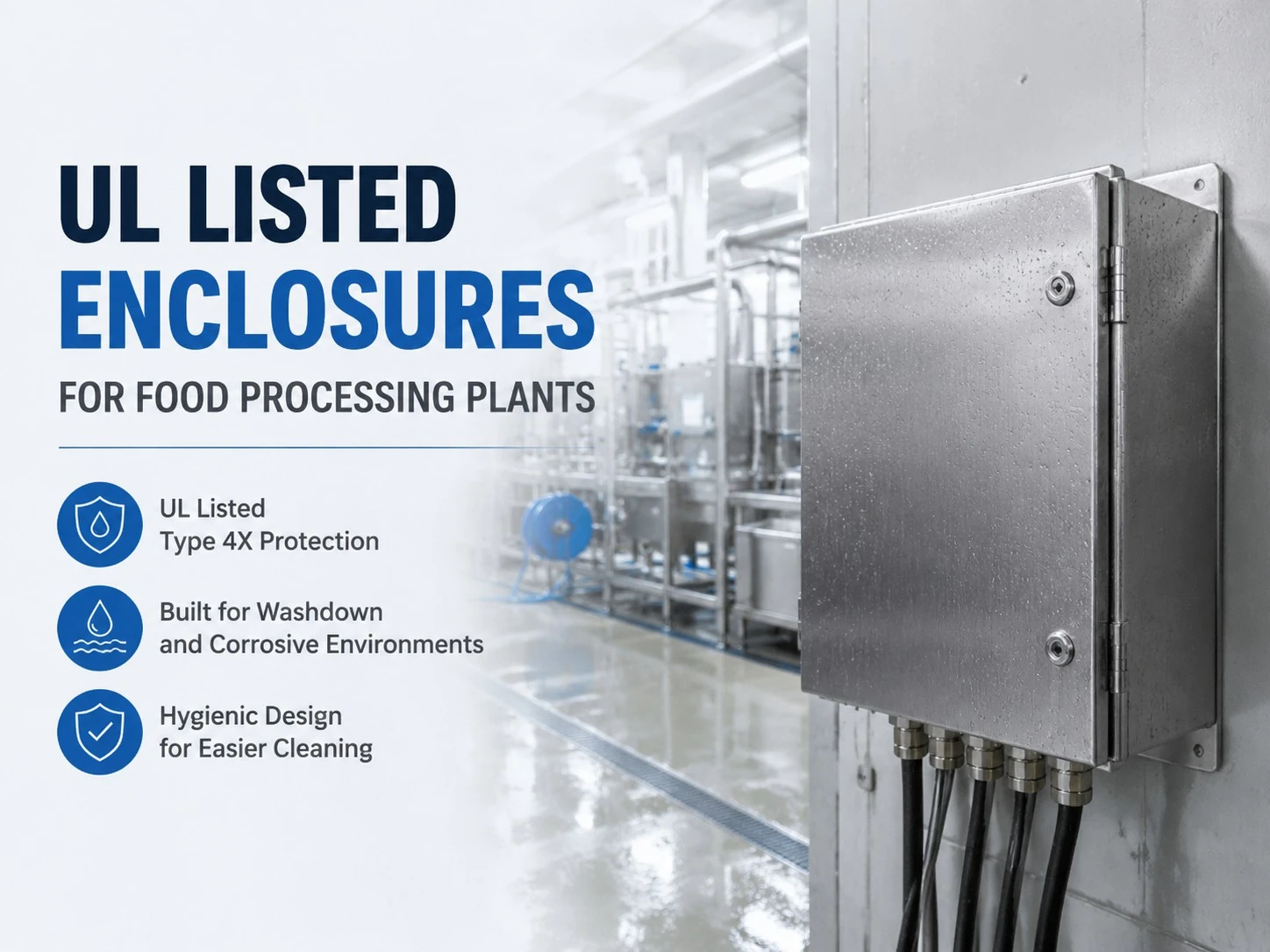
A custom electrical control panel is better when your system has special requirements. This may include complex PLC control, multiple motors, outdoor use, limited space, or a harsh working environment.
For projects that need different enclosure sizes, mounting styles, material options, or protection ratings, choosing the right enclosure platform is also important. Eabel offers a range of industrial electrical enclosures for control panels, PLC systems, junction boxes, disconnect applications, and custom industrial projects.
Customization also gives you more control over component brands, enclosure material, wiring layout, cooling design, cable entry, and future expansion space. You can also compare custom vs standard control panel enclosures before choosing the best structure for your project.
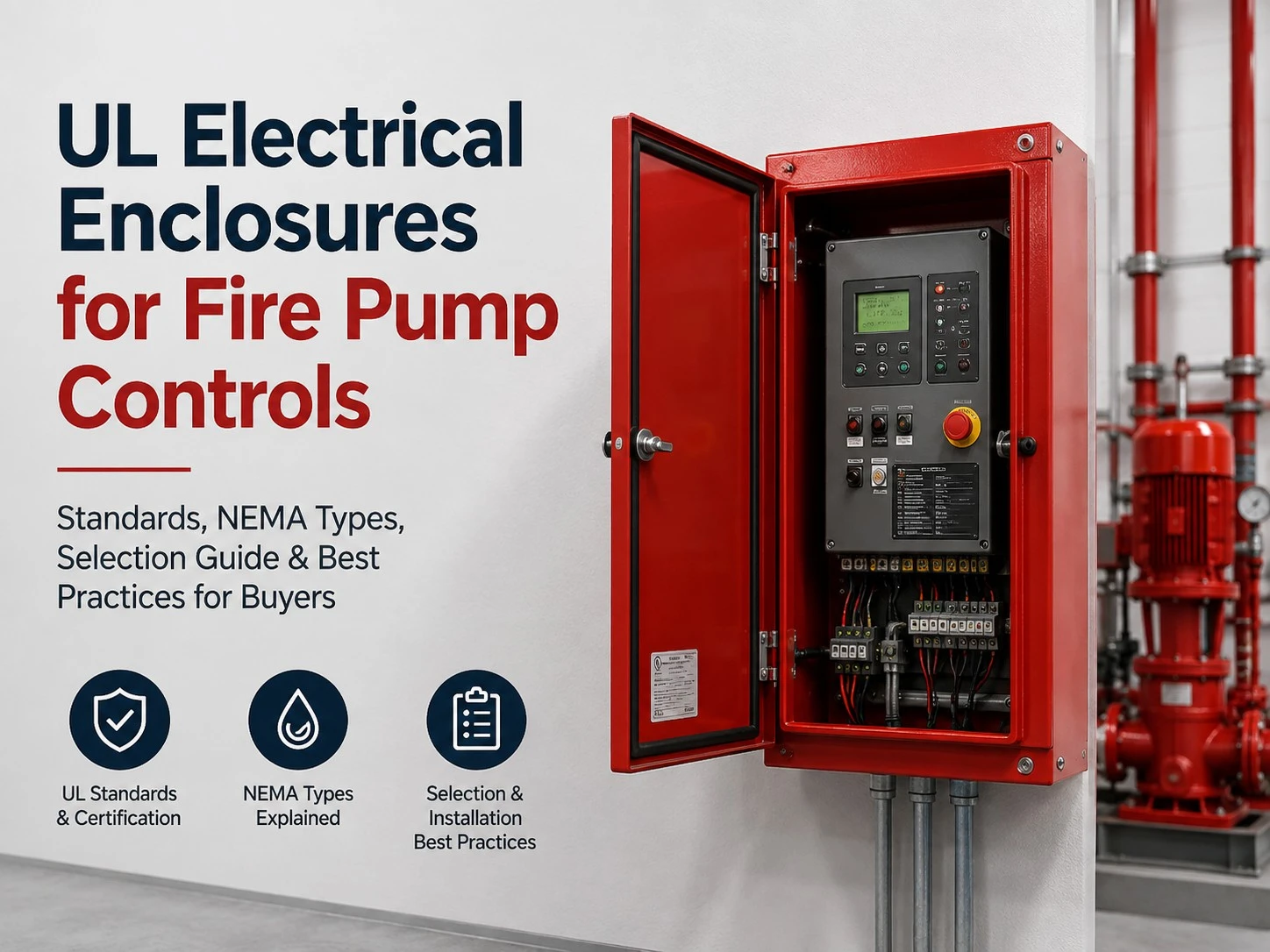
For enclosure protection levels, Valeurs nominales des boîtiers NEMA can help you understand how different enclosure types are used for different environments.

What to Check Before Ordering a Control Panel
Before choosing a control panel supplier or manufacturer, do not compare price only. A good panel should match your equipment, environment, safety needs, and maintenance plan.
- Confirm voltage, current, load, and control requirements.
- Choose the right IP or NEMA enclosure rating for the installation site.
- Check PLC, HMI, relay, VFD, and safety function needs.
- Review wiring layout, labeling quality, and maintenance access.
- Ask for testing records, drawings, component lists, and documentation.
- Leave enough internal space for future upgrades.
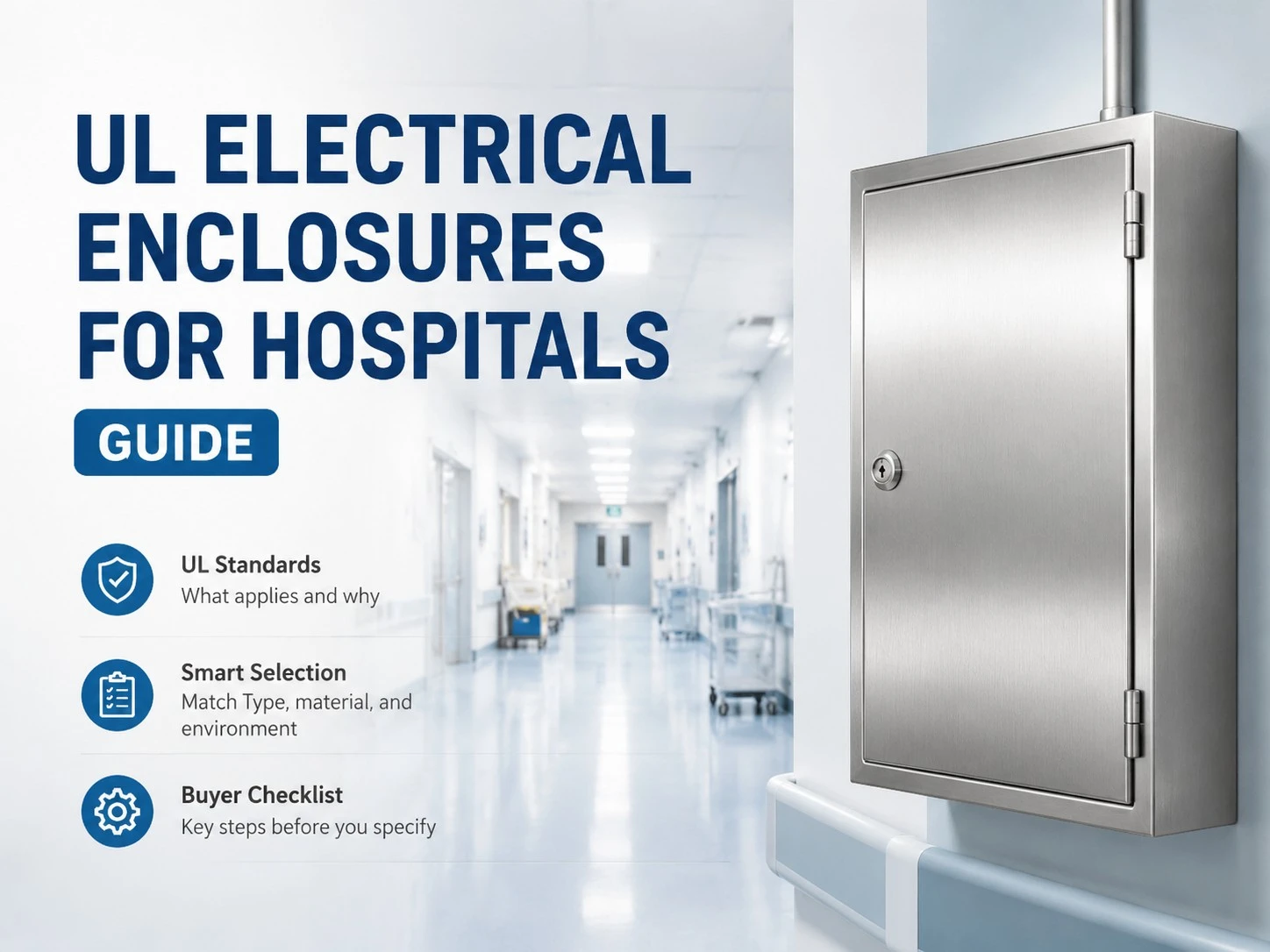
For industrial projects, it is also useful to review normes relatives aux boîtiers électriques before confirming the final design. Standards-related topics may include IP ratings, NEMA ratings, UL requirements, wiring rules, and safety documentation.
Complete documentation is important. Wiring diagrams, terminal layouts, and test reports help your team install, inspect, and service the panel more easily.
For North American projects, you may also need to consider the UL 508A industrial control panel standard et le Code national de l'électricité, depending on the application, market, and installation requirements.
Common Control Panel Buying Mistakes
One common mistake is choosing only by low price. A cheaper panel may use weak components, unclear labels, poor wiring, or the wrong enclosure rating.
Another mistake is ignoring heat control. If the panel has many components but poor ventilation or cooling, internal temperature may rise and shorten component life.
Some projects also leave no space for future expansion. This can make upgrades difficult and expensive later.
To reduce risk, check the supplier’s engineering support, testing process, drawings, and experience with similar industrial control panel projects.

FAQs About Electrical Control Panel Benefits
Conclusion

A well-designed electrical control panel improves safety, automation, monitoring, energy control, and equipment reliability. It also helps reduce downtime, simplify maintenance, and keep your system running more smoothly.
If you need a custom electrical control panel for machinery, automation, power distribution, pump systems, HVAC projects, or industrial equipment, Contactez-nous to discuss your voltage, load, working environment, control method, and enclosure requirements.
Lectures connexes
Panneaux de contrôle et boîtiers : principales différences expliquées
Qu'est-ce qu'un panneau PLC ? Composants et applications
Boîtier IHM vs panneau de commande : principales différences
Armoire PLC vs armoire électrique : principales différences
Guide des armoires PLC : types, disposition, câblage et composants




 FR
FR  EN
EN  ES
ES  AR
AR  JA
JA  KO
KO  RU
RU  DE
DE  PT
PT  IT
IT  ZH
ZH  TH
TH  VI
VI  HI
HI  MS
MS 