

Homeowners often use electrical panel, breaker box, and breaker panel interchangeably. The distinction that matters is between the complete panel and the individual circuit breakers inside it—a difference that affects how electrical faults, repairs, and upgrades are diagnosed.
คำตอบโดยย่อ: An electrical panel and a breaker box usually mean the same thing in residential use. “Electrical panel” is the more formal term, while “breaker box” is the common everyday name. A circuit breaker is one protective device installed inside the panel.
Electrical Panel vs Breaker Box: What Is the Actual Difference?
In normal residential use, the difference is mainly terminology rather than function.
| คำศัพท์ | What It Usually Means | Common Context |
|---|---|---|
| แผงจ่ายไฟฟ้า | The formal, general name for a power distribution assembly | Electricians, inspectors, specifications, and product documents |
| กล่องเบรกเกอร์ | An informal name for a residential electrical panel | Homeowner conversations and online searches |
| แผงเบรกเกอร์ | Another common name for a panel containing circuit breakers | Residential electrical work |
| Circuit breaker box | A descriptive version of “breaker box” | Home improvement guides and customer questions |
| โหลดเซ็นเตอร์ (Load center) | A common industry term for a residential or light-commercial panel | Manufacturers, contractors, and distributors |
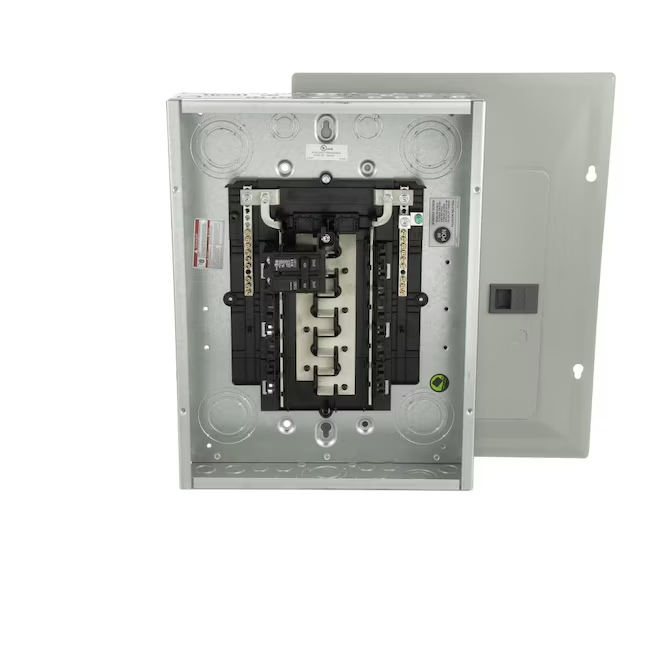
Eaton identifies breaker box, panelboard, and distribution panel as names commonly associated with residential load centers. When speaking with an electrician, inspector, or supplier, “electrical panel” is usually the clearest term because it refers to the complete assembly rather than one circuit breaker.

Electrical Panel vs Circuit Breaker: The Difference That Matters
An electrical panel is the complete distribution assembly. A circuit breaker is one device installed within that assembly.
| รายการตรวจ | Electrical Panel or Breaker Box | เบรกเกอร์ |
|---|---|---|
| What it is | A complete electrical distribution assembly | An individual switching and protective device |
| หน้าที่หลัก | Receives and distributes power among circuits | Opens a circuit when a specified overcurrent condition occurs |
| What it includes | Enclosure, bus bars, breakers, terminals, neutral bar, grounding bar, and labeling | Contacts, trip mechanism, terminals, and operating handle |
| Area affected | May serve many circuits or the entire building | Usually protects one branch circuit or feeder |
| Typical problem | Capacity limitation, corrosion, damaged bus, or insufficient spaces | Overload, short circuit, wiring fault, or failed breaker |
| Replacement scope | May affect multiple circuits, service equipment, and permits | May be limited to one circuit after the cause is identified |
UL defines a circuit breaker as a device that can open and close a circuit manually and open it automatically when a predetermined overcurrent occurs, provided it is used within its ratings.
How Electricity Moves Through the Panel
- Electrical power enters through the service equipment.
- A main breaker or upstream disconnect controls the panel supply.
- Bus bars distribute power to the installed circuit breakers.
- Branch breakers feed individual lighting, receptacle, and equipment circuits.
- A breaker opens its circuit when it detects a condition covered by its protection design.
เอ main-breaker panel includes its primary overcurrent device inside the panel. A main-lug-only panel does not contain a main breaker and is normally protected by an upstream breaker or disconnect.
A standard circuit breaker is not a substitute for a surge protective device. Circuit breakers primarily respond to overcurrent conditions, while surge protection requires equipment designed and evaluated for that purpose.
Related Electrical Panel Terms You Should Know
Related terms can describe the product category, the type of protective device used, or the panel’s position within the distribution system. These differences matter more in specifications and system design than in everyday homeowner language.
Load Center vs Panelboard
In North American product terminology, a load center is generally a residential or light-commercial form of panelboard, often designed for plug-on breakers. Panelboard is the broader term used across residential, commercial, and industrial systems.
For purchasing and system design, suitability depends on ratings, breaker configuration, enclosure type, and installation conditions—not the informal product name.
Breaker Box vs Fuse Box
Both distribute power and provide overcurrent protection, but a breaker box uses resettable circuit breakers while a fuse box uses replaceable fuses.
| กล่องเบรกเกอร์ | กล่องฟิวส์ |
|---|---|
| Uses circuit breakers | Uses replaceable fuses |
| Can normally be reset after the cause of a trip is addressed | Requires a correctly rated replacement fuse |
| May support AFCI, GFCI, or dual-function breakers | Older systems may have fewer modern protection options |
| Is generally easier to expand when approved capacity is available | Expansion may be more difficult |
A fuse box is not automatically unsafe simply because it is old. Its wiring, fuse sizes, physical condition, and ability to support present loads must be evaluated. Installing a larger fuse to prevent repeated blowing can remove the overcurrent protection the circuit requires. The Electrical Safety Foundation International explains the differences between fuses and circuit breakers in more detail.
Main Panel vs Subpanel
A main panel is the primary distribution panel in a building. It may contain the main service disconnect, although the disconnect can also be installed upstream near the meter or in a separate enclosure.
A subpanel receives power through a feeder from an upstream panel or disconnect. It is often used for a garage, workshop, addition, or another part of a large building.
Adding a subpanel creates more breaker positions, but it does not automatically increase the building’s total available amperage. The electrical service, feeder, upstream breaker, and calculated load continue to limit the system. See the detailed comparison of a ศูนย์โหลดหลักเทียบกับศูนย์โหลดรอง สำหรับข้อมูลเพิ่มเติม

Main-Breaker vs Main-Lug-Only Panel
A main-breaker panel contains a breaker that can disconnect power supplied to the panel. Depending on the installation, it may also serve as the service disconnect.
A main-lug-only panel has incoming terminals but no main breaker within the panel. It must receive appropriate overcurrent protection from an upstream device.
The absence of a large main breaker inside a panel does not necessarily indicate a problem. The main disconnect may be located outdoors, beside the meter, or in another upstream enclosure.
How to Identify the Electrical Panel You Have
You can collect basic panel information without removing its protective inner cover. Begin with the labels and components visible when you open the normal hinged door.
1. Locate the Main Disconnect
Look for a large breaker marked “Main.” It may be:
- Inside the panel;
- Beside the electric meter;
- Inside an outdoor meter-main enclosure;
- In a separate upstream disconnect.
A panel containing only branch breakers may be a main-lug-only panel supplied from another protective device.
2. Record the Manufacturer and Model
Find the manufacturer, catalog number, product series, and model information.
These details matter when selecting replacement breakers, filler plates, covers, and accessories. Do not assume a breaker is suitable only because it has the same physical size or amp rating.
3. Read the Equipment Ratings
Depending on the product, the panel label may show:
- Maximum ampere rating;
- System voltage and phase;
- Number of spaces or circuits;
- Short-circuit current rating;
- Indoor or outdoor enclosure type;
- Permitted breaker types;
- Service-equipment markings;
- Conductor and terminal information.
The panel’s maximum rating is not always the same as the electrical service rating. For example, a panel may have a bus rated for 225 amps but be supplied through a 200-amp main breaker.
The main breaker, feeder, service conductors, and upstream equipment determine the actual system limits. Our guide to sizing a panelboard correctly explains the ratings and capacity factors in more detail.
4. Check Breaker Spaces and Types
A breaker space is a physical mounting position. It is not the same as available electrical capacity.
Some panels allow tandem or half-size breakers in specific positions. These breakers should only be used where both the panel labeling and breaker design permit them.
An empty-looking position does not automatically mean any breaker type can be installed there.
5. Verify Breaker Compatibility
A breaker that physically fits is not necessarily approved for the panel.
การ UL Panelboard Application Guide states that field-installed breakers must be identified for use in the specific panelboard. Classified replacement breakers are permitted only when they have been evaluated for the panel models and conditions listed by the certification information.
ตรวจสอบเสมอ:
- The panel manufacturer and model;
- Breaker type;
- Number of poles;
- Amp rating;
- Voltage rating;
- Interrupting rating;
- Panel labeling and installation instructions.
6. Inspect the Visible Enclosure Condition
Without removing the dead front, look for:
- Rust or corrosion;
- Water marks;
- Damaged covers;
- Missing filler plates;
- Loose doors;
- Heat discoloration;
- Open gaps.
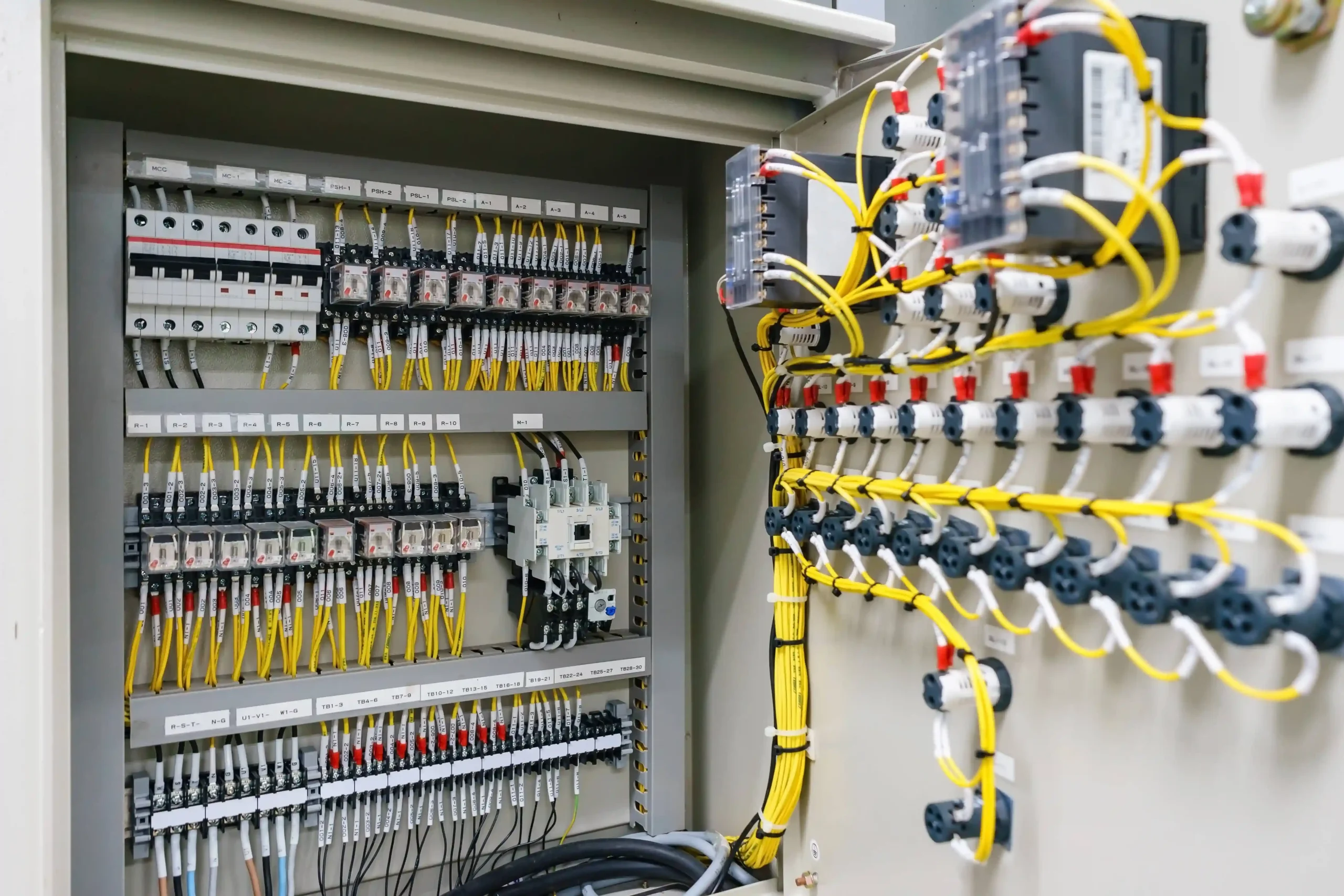
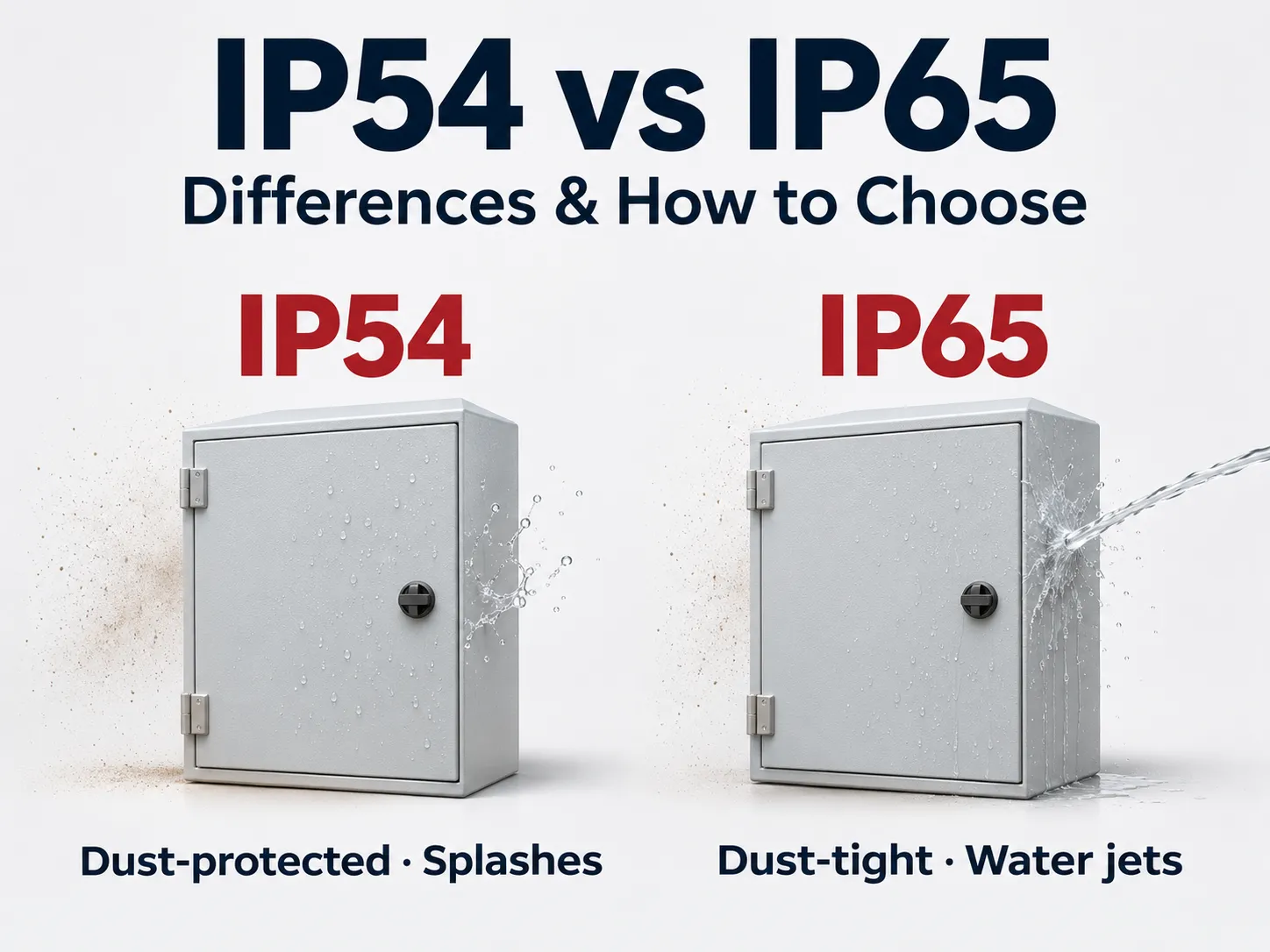
An indoor panel should be installed in a suitable dry location. Outdoor or exposed installations require an enclosure designed for the environmental conditions. Review the differences between indoor and outdoor electronics enclosures when evaluating location, sealing, and environmental protection.
Safety Note: Removing the dead front can expose energized conductors and bus components. OSHA electrical work-practice requirements reserve work on exposed energized parts for qualified persons using appropriate safety practices; homeowners should leave internal panel inspection and repair to a qualified electrician.
Is It a Breaker Problem or an Electrical Panel Problem?
A problem reported as a “bad breaker box” may actually come from a connected appliance, an overloaded circuit, damaged wiring, or one defective breaker. See these ปัญหาแผงไฟฟ้าทั่วไป for a broader overview of possible causes.
| สิ่งที่สังเกตพบ | More Likely Cause | Recommended Next Step |
|---|---|---|
| One breaker trips when several appliances operate together | Branch-circuit overload | Reduce the load and identify what the circuit supplies |
| The same breaker trips during normal use | Wiring fault, equipment fault, or failing breaker | Have the circuit inspected |
| A breaker trips immediately after reset | Active short circuit or ground fault | Leave it off and arrange professional diagnosis |
| A breaker will not remain on | Unresolved fault or damaged breaker | Do not force or repeatedly reset it |
| A breaker or part of the panel cover feels unusually hot | Loose connection, overload, or damaged component | Stop using the affected load and request prompt inspection |
| Burning odor, smoke, arcing, or discoloration appears | Serious connection or panel damage | Avoid touching the panel and seek urgent professional help |
| Rust or moisture appears around the panel | Water entry, condensation, or enclosure failure | Correct the moisture source and inspect the equipment |
| No approved spaces remain | Distribution-space limitation | Evaluate a subpanel or panel replacement |
| A new EV charger or large appliance cannot be supported | Circuit, feeder, or service-capacity limitation | Complete an electrical load calculation |
| Several unrelated circuits behave abnormally | Panel, feeder, service, or utility issue | Arrange a broader system inspection |
If a breaker trips after an obvious overload, turn off or unplug the affected loads, move the handle fully to the off position, and reset it once. If it trips again, leave it off and have the cause investigated. The ESFI breaker box safety guide also recommends professional inspection when a breaker trips frequently.
Do not install a higher-amp breaker to stop repeated trips. Breaker size must match the conductors and equipment it protects; recurring trips, buzzing, overheating, or discoloration require professional inspection.
When Does an Electrical Panel Upgrade Make Sense?
A panel does not need replacement only because it has reached a certain age. An upgrade makes sense when the existing equipment lacks capacity, has significant damage, or no longer supports the required circuit arrangement.
| Reason for an Upgrade | Typical Examples | What Must Be Evaluated |
|---|---|---|
| Additional electrical load | EV charger, heat pump, electric water heater, induction range, hot tub, or workshop equipment | Load calculation, service size, feeder, panel rating, and circuit requirements |
| More circuit spaces | Home addition, garage, accessory building, or renovation | Approved spaces, feeder capacity, subpanel options, and physical layout |
| ความเสียหายของอุปกรณ์ | Corrosion, water intrusion, burned bus, damaged terminals, or heat discoloration | Repairability, listing, enclosure condition, and replacement scope |
| Obsolete or incompatible components | Approved breakers or replacement parts are no longer available | Manufacturer information, panel label, and approved replacement equipment |
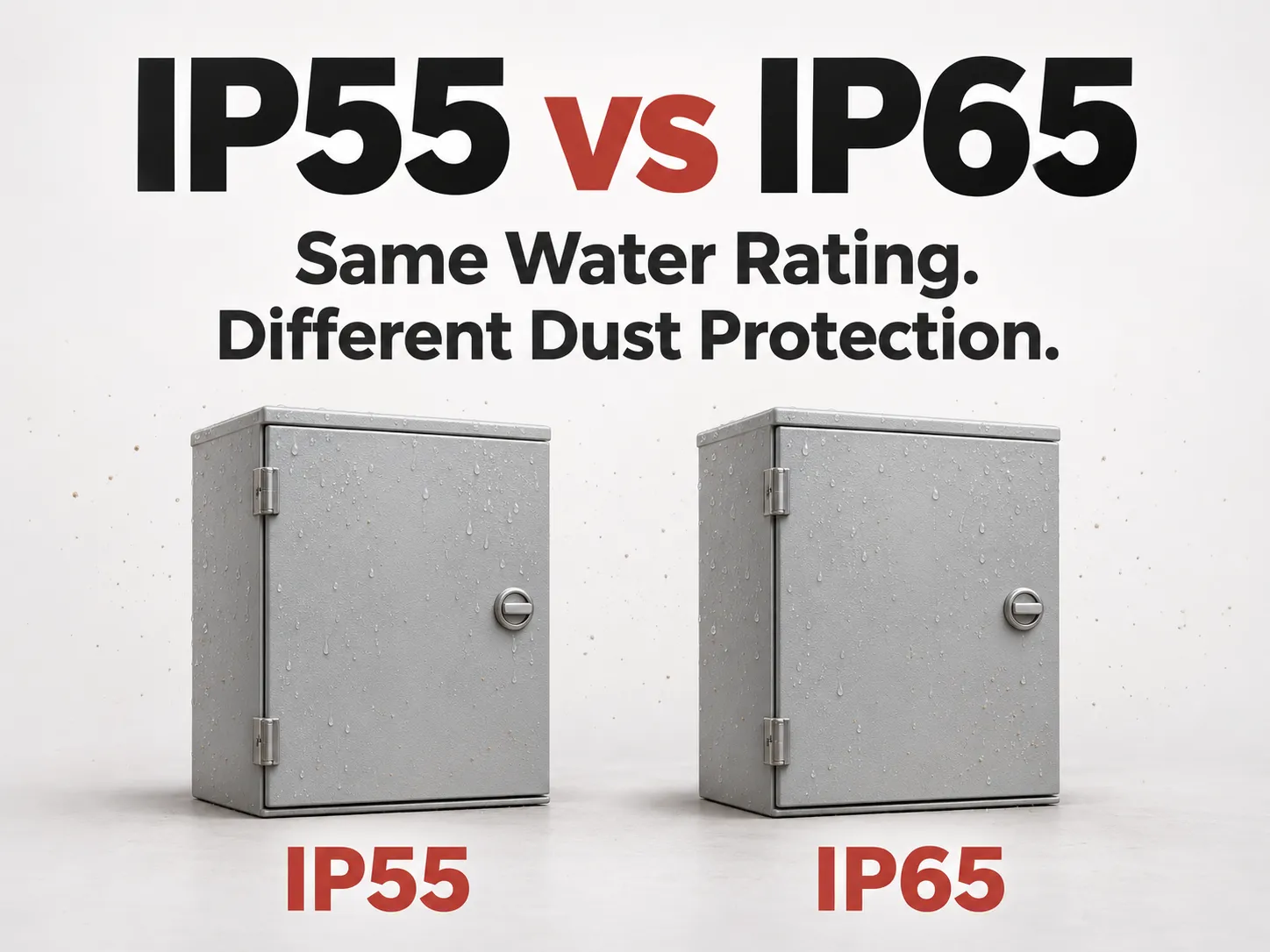
| Unsuitable enclosure | Indoor panel exposed to rain, moisture, dust, or corrosive conditions | Required enclosure type and installation environment |
| Service reconfiguration | Meter relocation, solar system, battery storage, or service-entrance changes | Utility requirements, disconnect arrangement, permits, and local code |
Empty Spaces Do Not Equal Spare Capacity
An empty breaker position shows only that physical mounting space is available; it does not prove that the panel, feeder, or electrical service can support another major load.
A qualified panelboard load calculation should determine whether the project can:
- Use the existing panel and service;
- Add a dedicated circuit;
- Install a subpanel;
- Use an approved load-management system;
- Replace the panel;
- Upgrade the electrical service.
A larger panel does not automatically create a larger electrical service. The meter equipment, service conductors, main disconnect, feeder, and utility connection may also need evaluation.
Condition Matters More Than a Fixed Age
Age may justify an inspection, but condition should determine replacement. An older panel may remain serviceable if it is dry, correctly installed, and supported by approved components, while a newer panel may require replacement after serious corrosion, overheating, water damage, or unauthorized modification.
Other reasons for replacement may include damaged bus components, unavailable compatible breakers, missing enclosure parts, or modifications that cannot be corrected safely.

Code, Permits, and Local Requirements
การ 2026 edition is the current edition of NFPA 70, the National Electrical Code. However, states and local jurisdictions adopt NEC editions on different schedules, and local amendments may also apply.
Panel replacement, service upgrades, and new high-load circuits often require permits, inspections, or utility coordination. The applicable NEC edition and local requirements should be confirmed with the authority having jurisdiction before work begins. NFPA’s NEC enforcement maps show which editions are currently in effect across the United States.
คำถามที่พบบ่อย
Is a Breaker Box the Same as an Electrical Panel?
In most U.S. homes, yes. Breaker box is the common everyday name, while electrical panel is the more formal term. Both usually refer to the complete distribution assembly containing the circuit breakers.
Is an Electrical Panel the Same as a Circuit Breaker?
No. The electrical panel is the complete assembly. A circuit breaker is one protective device installed inside it.
Replacing a breaker is therefore different from replacing the entire panel.
Is a Fuse Box the Same as a Breaker Box?
No. They perform similar power-distribution and overcurrent-protection functions, but they use different devices.
A fuse box uses replaceable fuses. A breaker box uses circuit breakers that can be reset after the cause of a trip has been corrected.
Can an Electrical Panel Have No Main Breaker?
Yes. A main-lug-only panel may receive power from an upstream breaker or disconnect. This arrangement is common for subpanels and for systems where the service disconnect is located near the meter or outside the building.
Does Adding a Subpanel Increase a Home’s Amperage?
No. A subpanel adds distribution space for circuits, but it does not increase the electrical service rating.
The feeder, upstream breaker, service conductors, and calculated load still limit the available capacity.
Can Any Breaker With the Same Amp Rating Fit My Panel?
No. Amp rating and physical fit are not enough.
The breaker must be identified for use with the panel or be a properly classified replacement evaluated for that specific panel and application. Always follow the panel labeling and manufacturer instructions.
Should I Replace an Electrical Panel Because It Is Old?
Not based on age alone.
Replacement should be based on equipment condition, available capacity, breaker compatibility, enclosure damage, and the requirements of planned electrical work. An older panel should be inspected if it shows corrosion, overheating, water entry, repeated faults, or unauthorized modifications.
Find the Right Electrical Panel and Enclosure Solution
In most homes, electrical panel and breaker box describe the same equipment; the meaningful distinction is between the complete panel and the breakers inside it.
When selecting or upgrading a system, consider the electrical ratings, circuit capacity, breaker compatibility, enclosure condition, and installation environment. Explore E-Abel’s กล่องกระจายสินค้า และ industrial electrical enclosures, หรือ ติดต่อเรา for product recommendations, customization options, pricing, and engineering support.




 TH
 EN
 ES
 FR
 AR
 JA
 KO
 RU
 DE
 PT
 IT
 ZH
 VI
 HI
 MS
