

What Is a Mild Steel Enclosure?

A kandang keluli lembut is a protective metal box or cabinet made from low-carbon steel. It is used to house electrical parts, control systems, switches, wiring, terminals, circuit breakers, sensors, and other industrial components.
Common types include wall-mounted electrical boxes, floor-standing control cabinets, junction boxes, distribution cabinets, and custom machinery enclosures.
Mild steel is easy to cut, bend, weld, drill, and form. This makes it suitable for both standard enclosure designs and custom enclosure projects.
Most mild steel electrical enclosures are not left untreated. They usually need powder coating, painting, or galvanizing to improve corrosion resistance and surface durability.
Why Choose Mild Steel Enclosures?
Mild steel enclosures are often selected because they balance strength, cost, and flexibility. For many indoor projects, they provide reliable protection without the higher cost of stainless steel.
Strong Protection for Electrical Equipment
Mild steel provides solid mechanical protection against impact, vibration, dust, and daily industrial wear. It works well in electrical rooms, workshops, manufacturing plants, warehouses, and commercial buildings.
If your enclosure may face bumps, tool contact, or machine vibration, mild steel usually offers better structural strength than many plastic or lightweight materials.
Lower Cost for Industrial Projects
Compared with stainless steel, mild steel is usually more affordable. This makes it attractive for OEM equipment, factory control systems, power distribution projects, and large electrical installations.
For indoor or low-corrosion environments, a powder coated mild steel enclosure can often provide enough protection at a better cost.
Still, the lowest upfront price is not always the best value. If the cabinet is used in a wet, salty, or chemical area, rust repair and replacement may cost more later.

Easy Customization
Mild steel is easy to fabricate, which makes it useful for custom enclosure projects. You can customize the size, mounting plate, cable entries, ventilation, locks, doors, and internal layout based on your project.
If you need enclosure solutions for control panels, machinery, power distribution, or OEM equipment, Eabel offers flexible size, material, coating, mounting, and layout options. You can explore our kandang elektrik tersuai to compare possible designs for your project.
This flexibility helps reduce installation problems, especially when standard enclosure sizes do not match your equipment layout or site space.
Good Surface Finish Options
Mild steel enclosures can be powder coated, painted, galvanized, or zinc coated. Powder coating is one of the most common options because it improves appearance and adds a protective surface layer.
For branded equipment or OEM projects, powder coating also makes it easier to match company colors, product design standards, or project requirements.
Main Disadvantages of Mild Steel Enclosures
Mild steel has clear advantages, but it also has limits. Understanding these limits helps you avoid using the wrong electrical enclosure material for your environment.
Risiko Kakisan
The main weakness of mild steel is rust. If the coating is scratched, damaged, poorly applied, or exposed to moisture for a long time, corrosion can appear.
Rust can affect appearance, reduce service life, damage seals, and increase maintenance costs. This is why coating quality is critical for any mild steel enclosure.
Heavier Than Aluminum or Plastic
Mild steel is strong, but it is also heavier than aluminum and plastic. This may affect shipping cost, wall mounting strength, installation labor, and portable equipment design.
For large floor-standing cabinets, weight may not be a serious issue. For wall-mounted or mobile equipment, you should check whether the structure can safely support the enclosure.

Not Ideal for Harsh Environments
Mild steel is not a one-size-fits-all material. It may not be the best choice for coastal sites, marine equipment, food processing plants, chemical areas, or locations with frequent washdown.
In these environments, corrosion resistance may matter more than initial cost. Stainless steel, aluminum, or fiberglass may offer better long-term value.
Requires Basic Maintenance
You should check the coating, hinges, seals, locks, and cable entries regularly, especially in humid, dusty, or semi-outdoor areas.
Small coating damage should be repaired early. If ignored, rust can spread and shorten the enclosure’s service life.
Best Uses for Mild Steel Enclosures
Mild steel enclosures are most suitable for dry, indoor, and general industrial environments. They are a practical option when your project needs good strength, stable structure, and cost control.
| Kegunaan | Suitability | Sebab |
|---|---|---|
| Indoor control panels | Cemerlang | Strong, affordable, and easy to customize |
| Factory electrical cabinets | Cemerlang | Good impact resistance and stable structure |
| Machinery protection boxes | bagus | Handles vibration and daily industrial use |
| Commercial power distribution | bagus | Cost-effective for standard projects |
| Pemasangan luar | Conditional | Needs strong coating, sealing, and shelter |
| Coastal or marine sites | miskin | High corrosion risk |
| Food washdown areas | miskin | Stainless steel is usually better |
| Persekitaran kimia | Conditional | Depends on chemical exposure level |
For most indoor electrical and industrial projects, powder-coated mild steel offers a practical balance between cost and performance.
For outdoor or corrosive locations, the right coating, sealing, and installation method become much more important.

Keluli Lembut lwn Bahan Kepungan Lain
Different enclosure materials serve different working conditions. The best choice depends on strength, corrosion resistance, weight, cost, and the installation environment.
| Bahan | Paling Sesuai Untuk | Kelebihan Utama | Main Limitation |
|---|---|---|---|
| Keluli lembut | Kegunaan perindustrian dalaman | Kuat dan menjimatkan kos | Can rust if coating fails |
| Keluli tahan karat | Harsh or hygienic areas | Rintangan kakisan yang sangat baik | Kos yang lebih tinggi |
| Aluminium | Lightweight outdoor use | Ringan dan tahan kakisan | Kekuatan impak yang lebih rendah daripada keluli |
| plastik | Small indoor electronics | Lightweight and rust-free | Kekuatan yang lebih rendah |
| gentian kaca | Outdoor corrosive areas | Corrosion resistant and insulated | Higher cost and different finish |
If your project is indoors and cost control matters, mild steel is often a strong choice. If the enclosure faces salt, chemicals, washdown, or high humidity, stainless steel or fiberglass may be safer.
If you are comparing keluli lembut vs keluli tahan karat, focus on the real environment first. Cost matters, but corrosion resistance can be more important in wet or chemical locations.
If weight is the main concern, aluminum may be more suitable. For small electronics in a clean indoor area, plastic may be enough.
How to Make Mild Steel Enclosures Last Longer
A mild steel enclosure can last longer when it is designed, finished, and installed correctly. Many failures come from poor coating, weak sealing, or using the cabinet in the wrong environment.
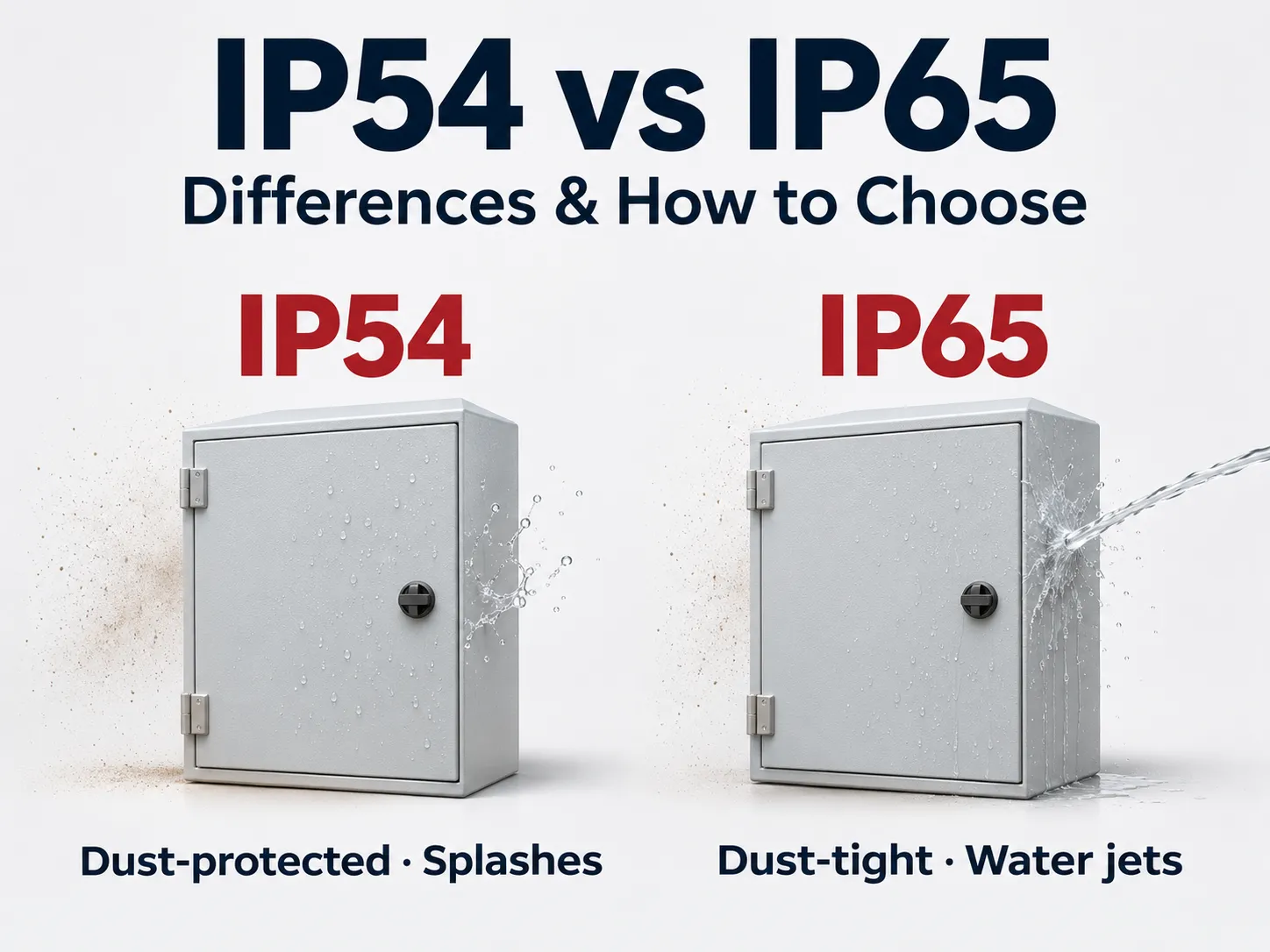
To improve service life, choose powder-coated or galvanized mild steel, match the IP or NEMA rating to the site, and avoid placing the enclosure where water can collect. You can also review how to choose the right enclosure coating before confirming the surface treatment.
For projects where zinc coating is required, learning about galvanized steel corrosion protection can help you understand how galvanizing improves steel durability.
You should also use quality gaskets, seals, hinges, and cable glands. For outdoor installations, a rain cover or shelter can reduce direct water exposure.
Do not drill or cut the cabinet on-site without repairing the coating. Exposed steel edges can become the first place where rust appears.

Mild Steel Enclosure Buying Checklist
Before ordering a mild steel electrical enclosure, confirm the real working conditions and technical requirements. This helps reduce fit issues, delays, and unexpected maintenance costs.
- Pemasangan di dalam atau di luar bangunan
- Required IP rating based on Penarafan IP IEC
- Humidity, dust, salt, chemical, or washdown exposure
- Material thickness and cabinet structure
- Powder coating quality and color requirement
- Door, lock, hinge, and gasket design
- Cable entry, ventilation, fan, or filter needs
- Custom cutouts or internal mounting plates
- Order quantity and export packaging requirements
Steel thickness also affects strength, weight, and cost. If your project involves heavy equipment or industrial control systems, check the proper steel thickness for industrial cabinets before production.
For projects that require compliance review, Piawaian kandang UL 50 dan UL 50E can help you understand common environmental construction and performance requirements for electrical enclosures.
These details matter because many enclosure problems appear after installation, not during quotation. A clear checklist helps you choose the right design before production starts.
When Should You Avoid Mild Steel Enclosures?
You should avoid or reconsider mild steel if the enclosure will be installed near the sea, exposed to frequent rain, cleaned with strong chemicals, or used in a washdown area.
It may also be a poor fit when the project needs a rust-free appearance for many years, food-grade surfaces, limited maintenance, or lightweight installation.
In these situations, a higher-cost material may reduce long-term risk. Stainless steel, aluminum, or fiberglass can be more suitable depending on the working environment.

FAQs About Mild Steel Electrical Enclosures
Kesimpulan

Mild steel enclosures are a smart choice when you need strong protection, flexible customization, and better cost control. They are especially suitable for indoor electrical cabinets, control panels, machinery protection, and general industrial applications.
The key is to match the enclosure design, coating, sealing, and IP/NEMA rating to the real installation environment. If you need custom mild steel enclosures for electrical, industrial, or OEM projects, hubungi kami to discuss your size, material thickness, coating, rating, and installation conditions.
Bacaan Berkaitan
Panduan Pemilihan Bahan Kepungan
Cegah Karat dalam Kepungan Elektrik: Strategi Utama
Pembersihan & Penyelenggaraan Kandang Elektrik: Panduan Amalan Terbaik
Memilih Bahan yang Sesuai untuk Kepungan Industri




 MS
 EN
 ES
 FR
 AR
 JA
 KO
 RU
 DE
 PT
 IT
 ZH
 TH
 VI
 HI
