

Why Battery Cabinet Quality Matters

Battery cabinets are often used where power reliability is critical. Common applications include data centers, factories, telecom base stations, hospitals, warehouses, and solar energy storage systems.
In these places, one battery problem may affect more than one device. It can stop backup power, damage nearby equipment, delay operations, or create safety hazards for workers.
Lithium battery cabinets need extra attention. Lithium batteries can be sensitive to heat, overcharging, physical damage, and poor ventilation. According to NFPA, lithium-ion battery fires may involve heat, smoke, toxic gases, and explosion risks, so cabinet design should consider more than basic storage. You can learn more about lithium-ion battery fire risks.
For B2B projects, a low-cost cabinet may create higher costs later. Installation problems, failed site checks, shorter battery life, and extra safety upgrades can all increase the real purchase cost.
1. Fire-Resistant Structure
Fire-resistant structure is one of the most important features of a battery cabinet. The cabinet should use strong metal, reinforced doors, reliable hinges, secure locks, and suitable sealing design.
For lithium battery storage or charging, the cabinet should not only handle external damage. It should also help slow heat spread if an internal battery problem occurs.
A fire-resistant battery cabinet should not be treated as a complete fireproof solution. Its value is to reduce risk, support safer containment, and give emergency teams more response time.
If fire risk control is your main concern, this guide on how to design a fire-safe battery module cabinet can help you review materials, ventilation, detection, and emergency planning.
Before ordering, confirm the material thickness, door structure, insulation details, suitable battery type, and available fire test data. These details matter more than appearance.

2. Thermal Management
Batteries generate heat during charging, discharging, and long-term operation. If heat stays inside the enclosure, battery performance and service life may drop.
A reliable battery cabinet should support stable heat control. This may include ventilation openings, cooling fans, temperature sensors, air ducts, or air-conditioning units, depending on the project.
Good thermal management also helps prevent hot spots. Hot spots can damage some batteries faster than others and create uneven system performance.
For projects where heat control is a major concern, you can also read this guide on pengurusan haba dalam kabinet bateri to understand cooling design in more detail.
When comparing cabinets, check whether shelves, cables, and panels block the airflow path. Clear airflow is important for both safety and battery life.
3. Ventilation and Gas Release
Ventilation is different from cooling. Cooling controls temperature, while ventilation helps manage air exchange, gas release, and pressure build-up.
Battery systems may release gas during abnormal operation. This is why a lithium battery storage cabinet or lead-acid battery cabinet needs a clear gas release path.
A safer design may include vents, pressure relief paths, separated areas, and installation guidance. These features help reduce gas accumulation inside the cabinet.
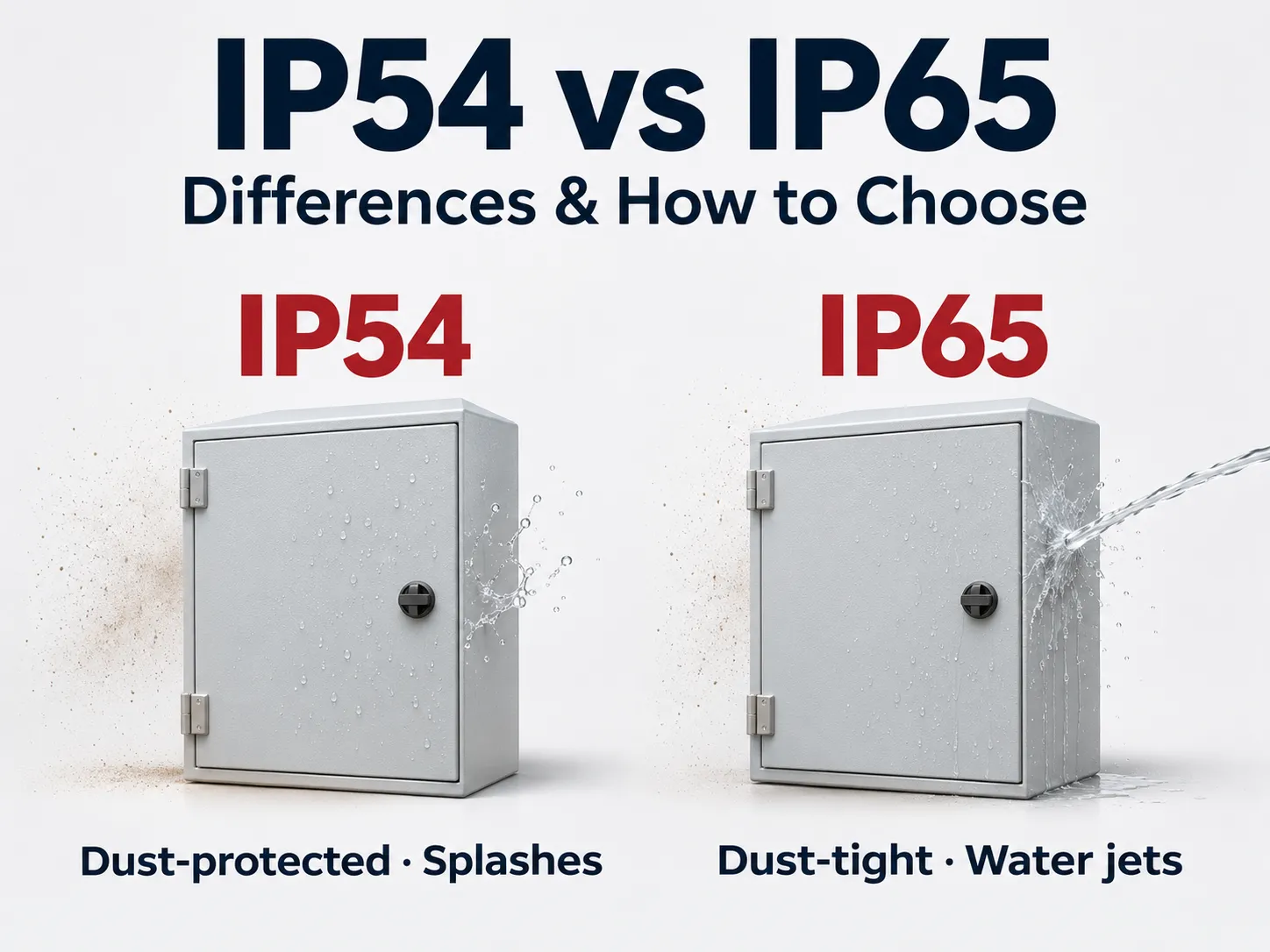
Ventilation should be designed together with IP protection. Random openings may reduce rain, dust, or moisture resistance, especially for outdoor battery cabinets.

4. Safe Charging Layout
Not every battery cabinet is suitable for charging. A storage cabinet and a battery charging cabinet have different safety requirements.
If batteries will be charged inside the cabinet, the design should include electrical safety from the beginning. Adding sockets to a normal storage cabinet later may create hidden hazards.
A safe battery charging cabinet should include grounding, circuit protection, overload protection, organized cable routing, and enough space between batteries.
The internal layout should keep cables away from sharp edges, hot areas, and moving parts. It should also allow technicians to inspect wiring without removing too many components.
5. Monitoring and Alarm Functions
Monitoring helps users find problems earlier. Many battery problems begin with small warning signs, such as rising temperature, smoke, abnormal smell, or charging failure.
A better battery cabinet may include temperature sensors, smoke detection, heat alarms, visual signals, sound alarms, or remote alarm contacts.
For telecom sites, warehouses, factories, and energy storage projects, remote alarms can be useful. They help maintenance teams respond faster when the cabinet is not checked every day.
The goal is simple: users should know when something goes wrong inside the cabinet before the problem becomes serious.
6. Leak, Residue, and Corrosion Control
Battery systems may face leakage, residue, or corrosion risks. This is more common in some battery types and industrial environments, but it should not be ignored.
A well-designed cabinet may include trays, protected shelves, corrosion-resistant coating, and easy-to-clean internal surfaces.
These features help protect the cabinet body, wiring, floor, and nearby equipment. They also make routine inspection and cleaning safer.
For long-term projects, corrosion control can reduce maintenance trouble and extend cabinet service life.

7. IP Rating and Outdoor Protection
Outdoor battery cabinets face rain, dust, sunlight, humidity, wind, and temperature changes. A normal indoor cabinet may fail quickly in these conditions.
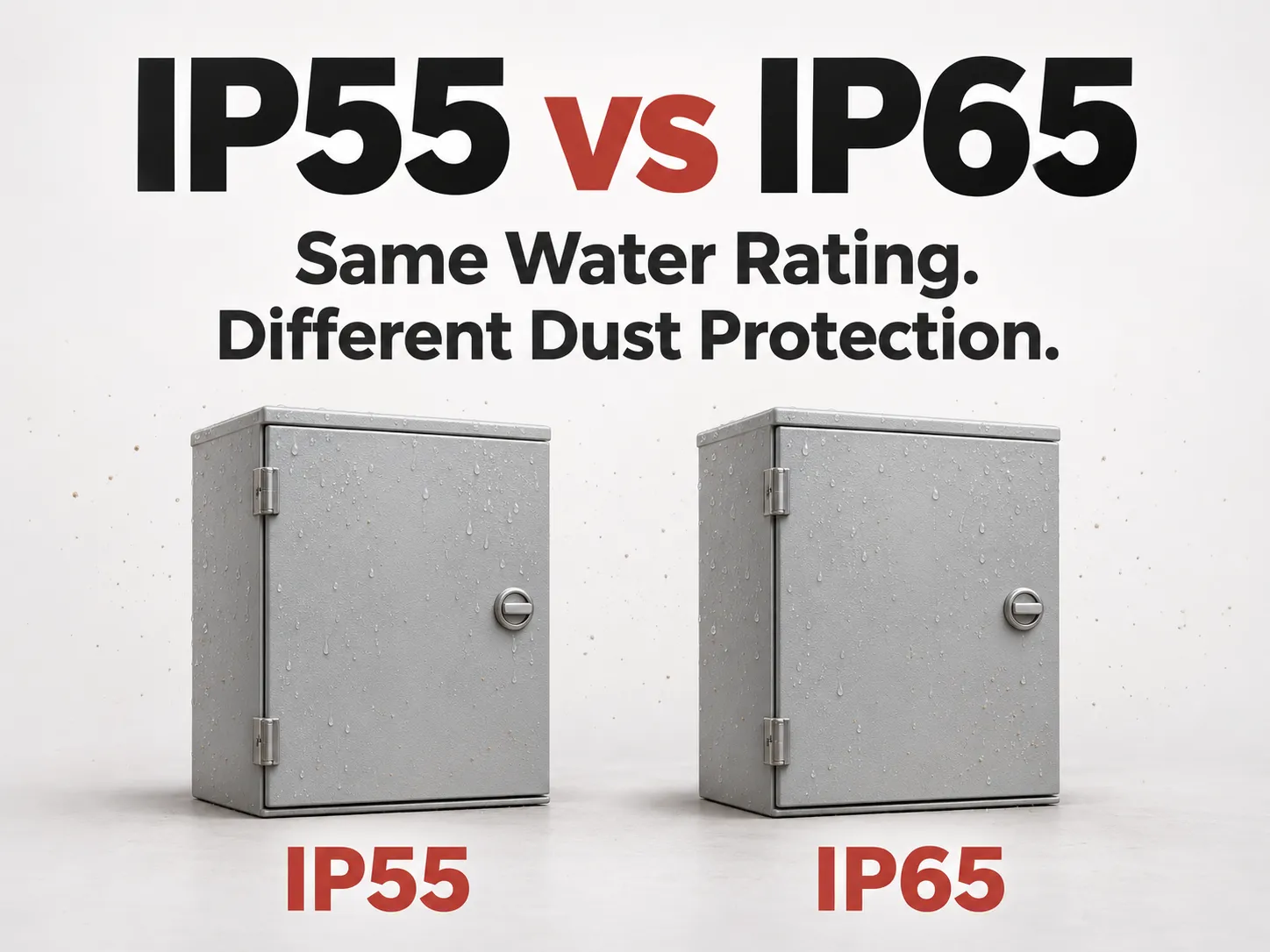
For outdoor use, check the IP rating, door gasket, cable entry sealing, surface coating, and anti-corrosion treatment. The Penarafan IP IEC can help you understand how enclosure protection is classified against dust and liquid ingress.
Coastal areas, chemical plants, and humid regions may need stronger materials. Stainless steel or special powder coating can improve resistance to rust and corrosion.
A good outdoor battery cabinet should balance protection and ventilation. It must keep water and dust out while still supporting safe heat and gas management.
If your project involves inspection or export requirements, it is also useful to understand the difference between Penarafan IP vs penarafan UL before confirming the final cabinet design.
8. Modular Layout and Maintenance Access
A cabinet should be easy to install, inspect, and maintain. This is not only about convenience. It also affects safety and long-term operating cost.
Useful design features include adjustable shelves, removable panels, clear cable paths, labeled terminals, and enough access space for battery replacement.
A clean layout helps reduce wiring mistakes. It also makes inspection faster when technicians need to check battery condition, cable connection, or internal temperature.
The cabinet should not only look organized when new. It should remain easy to manage after installation, maintenance, and repeated battery replacement.

9. Compliance Documents and Supplier Support
For project use, documentation is important. It helps with installation, approval, inspection, maintenance, and future troubleshooting.
Ask the supplier for technical drawings, material specifications, wiring diagrams, IP rating details, installation manuals, test reports, warranty terms, and spare parts support.
For lithium-ion battery containment, some projects may also need to review UL 1487 battery containment enclosures or other local safety requirements before production.
If your project needs different cabinet sizes, cable entries, IP ratings, cooling layouts, coating options, or mounting methods, Eabel electrical enclosures can be considered during the specification stage. This is especially useful when a standard battery cabinet cannot match the real installation site.
A reliable supplier should understand how the cabinet will be used. Battery type, cabinet size, cable entry, ventilation, coating, and mounting method may all need customization.
Battery Cabinet Buyer Checklist
| Ciri | Perkara yang Perlu Diperiksa | Sebab Ia Penting |
|---|---|---|
| Ketahanan api | Structure, material, sealing, test data | Helps reduce fire spread risk |
| Kawalan haba | Fans, sensors, airflow path | Helps prevent overheating |
| Pengudaraan | Gas release and pressure relief | Reduces abnormal failure risk |
| Charging safety | Grounding, breakers, cable routing | Supports safer battery charging |
| Pemantauan | Smoke, heat, alarm, remote signal | Improves response speed |
| Corrosion control | Trays, coating, protected surfaces | Protects cabinet and equipment |
| Perlindungan IP | Gaskets, coating, cable entry seals | Improves outdoor reliability |
| Akses penyelenggaraan | Shelves, labels, removable panels | Lowers service difficulty |
| Supplier support | Manuals, drawings, warranty, parts | Reduces project risk |
This checklist helps you compare battery cabinet suppliers more clearly. Instead of choosing only by price, you can compare safety, durability, maintenance, and project support.

Storage Cabinet vs Charging Cabinet
A battery storage cabinet is mainly used to keep batteries organized, protected, and separated from other materials. It should focus on structure, fire resistance, ventilation, corrosion control, and secure storage.
A battery charging cabinet needs stronger electrical safety. It should include safe outlets, circuit protection, grounding, cable management, heat control, monitoring, and enough space between batteries.
If you only need storage, a well-designed storage cabinet may be enough. If charging is required, choose a cabinet built for charging from the start.
If you are still comparing enclosed cabinets with open battery racks, this guide on Kabinet bateri vs rak bateri can help you decide which structure fits your power system better.
Indoor vs Outdoor Battery Cabinet
Indoor battery cabinets usually focus on fire containment, gas control, alarm functions, access control, and safe maintenance. They are often used in power rooms, factories, data rooms, and telecom sites.
Outdoor battery cabinets need stronger protection against rain, dust, sunlight, humidity, corrosion, and temperature changes.
For North American projects, Jenis kepungan NEMA can also help you compare indoor, outdoor, rain, dust, and corrosion protection needs.
Before choosing, match the cabinet to the real installation site. A cabinet that works well indoors may not be reliable outdoors without proper sealing, coating, and thermal design.

FAQs About Battery Cabinet Buying
Kesimpulan

A high-quality battery cabinet should combine fire-resistant structure, thermal management, ventilation, safe charging layout, monitoring, corrosion control, IP protection, easy maintenance, and reliable supplier documentation.
The best choice is not always the cheapest cabinet. It is the cabinet that reduces safety risk, supports stable operation, and lowers long-term maintenance cost.
If you are choosing battery cabinets for industrial, telecom, UPS, energy storage, or outdoor power projects, hubungi kami to discuss your battery type, cabinet size, installation environment, and safety requirements. We can help you choose or customize a safer battery cabinet solution for your project.
Bacaan Berkaitan
8 Pertimbangan Reka Bentuk untuk Kabinet Bateri Cekap Tenaga
Apakah Kabinet Penyimpanan Bateri Litium yang Baik?
Solar Battery Enclosures: How to Choose the Right One
Kabinet Modul Bateri: Panduan & Asas Reka Bentuk




 MS
 EN
 ES
 FR
 AR
 JA
 KO
 RU
 DE
 PT
 IT
 ZH
 TH
 VI
 HI
