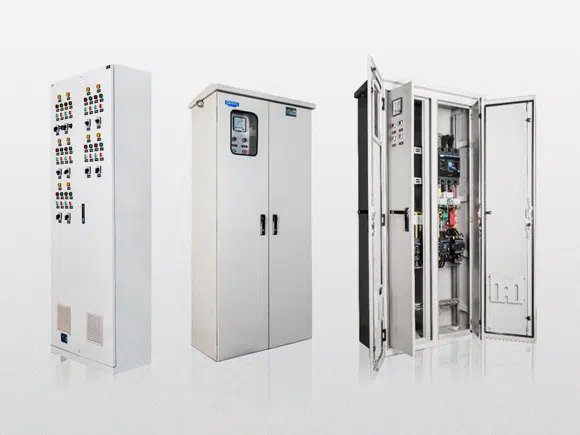
Free-standing industrial enclosures protect critical equipment from harmful elements like water, dust, and corrosive liquids. They help ensure your systems run smoothly and last longer by providing the right environment.
Choosing the wrong enclosure can lead to downtime, corrosion, and inefficiency. Selecting the right one keeps your equipment safe and performing at its best, saving you time and money in the long run.
What Is a Free-Standing Industrial Enclosure?

A free-standing industrial enclosure is a protective case that stands on its own, unlike wall-mounted enclosures that are attached to a wall. These enclosures are larger, offering more space and easy access to equipment inside.
They are commonly used in automation systems, power systems, and process controls. These enclosures protect important equipment from dust, moisture, and other environmental risks, helping keep your systems safe and running smoothly.
Key Questions to Ask Before You Choose

Choosing the right free-standing industrial enclosure starts with asking the right questions. Here are some key considerations to ensure your enclosure fits your needs:
What equipment is being protected? Identify the type of equipment inside the enclosure—whether it’s electronics, power systems, or process controls—as this will influence the material and size you choose.
What environmental hazards are present? Consider the risks your enclosure will face, such as dust, liquids, and chemicals. The environment will dictate the level of protection required (IP ratings, corrosion resistance, etc.).
Indoor or outdoor use? If the enclosure will be used outdoors, ensure it can withstand the elements, like rain, sunlight, and temperature fluctuations. Outdoor enclosures need to be more rugged and weatherproof.
Future expansion or integration needs? Will you need to expand or modify the system in the future? A flexible enclosure design allows for easy upgrades or additions.
Safety concerns: Consider arc flash, weight, and access. Some applications may require additional safety features like proper grounding, easy access for maintenance, or reinforced strength to handle heavy equipment.
Core Features to Look for in a Quality Enclosure

When choosing a free-standing industrial enclosure, make sure it has the following essential features to ensure it meets your needs:
Design Efficiency
Look for enclosures that are configurable to fit your specific equipment. It’s also helpful if the design is compatible with CAD software for easy planning and modification. Some enclosures even support digital twin technology, which helps you simulate and optimize the design virtually.
Versatility
Choose an enclosure with a variety of size options to accommodate different equipment. Ensure it supports accessories like shelves or cable glands, and if necessary, check that it offers climate control features to keep your equipment in the right environment.
Ease of Assembly
A good enclosure should be easy to install. Look for one that can be assembled by one person if needed, with pre-fitted parts for quicker setup. Cable entry design should also be simple to manage, making wiring and maintenance easy.
Durability & Reliability
The enclosure should be built to last. Welded frames provide more strength, while modular frames offer flexibility. Ensure it has torsional rigidity to withstand stress and gap-free construction to protect against contaminants. Also, check for UL/NEMA/IP ratings and third-party quality testing for reliable protection.
Focusing on these features will help you choose an enclosure that offers great protection, ease of use, and long-term reliability.
Choosing the Right Material: Carbon Steel vs. Stainless Steel

When selecting a free-standing industrial enclosure, the material you choose affects durability, cost, and suitability for your environment. Let’s break down the most common options: carbon steel, stainless steel, and others.
Pros & Cons of Painted Carbon Steel
Painted carbon steel is affordable and offers good protection against corrosion in indoor settings. However, if scratched, it can rust over time. It’s best for dry indoor environments where exposure to harsh elements isn’t a concern.
Pros: Cost-effective, durable finish
Cons: Susceptible to corrosion if scratched, not ideal for harsh environments
Pros & Cons of Stainless Steel (304 vs 316)
Stainless steel is highly resistant to corrosion, making it great for outdoor or harsh environments. 304 stainless steel is common for general use, while 316 stainless steel offers even better protection, especially against saltwater and chemicals.
304 Stainless Steel: Good for most environments, but not ideal for aggressive chemicals
316 Stainless Steel: Excellent for corrosive environments, but more expensive
When to Use Plastic, Aluminum, or Hybrid Materials
Plastic enclosures are lightweight and cost-effective for indoor use but may not provide the same protection as metals. Aluminum is corrosion-resistant and lightweight, suitable for both indoor and outdoor use. Hybrid materials combine the best features of both plastic and metal, offering flexibility for different applications.
Indoor vs Outdoor Material Choices
For indoor use, carbon steel or aluminum may work fine. For outdoor environments, especially with exposure to weather or chemicals, 316 stainless steel is the best option due to its superior corrosion resistance.
The right material depends on your enclosure’s environment and the level of protection you need. Stainless steel works best for harsh conditions, while carbon steel is a cost-effective choice for indoor use. Plastic, aluminum, and hybrid materials offer alternatives depending on your specific needs.
Application-Specific Recommendations

Different industries have unique needs when it comes to choosing the right free-standing industrial enclosure. Here’s a breakdown of what works best for some common applications:
Food & Beverage
In the food and beverage industry, hygiene is key. Choose enclosures with a smooth brushed finish and an IP66/NEMA 4X rating for excellent protection against water and dust in wash-down areas.
Pharmaceuticals
For pharmaceutical environments, seamless stainless steel is ideal. It offers a hygienic design, making it easy to clean and resistant to contaminants, ensuring a safe environment for sensitive equipment.
Industrial Automation
In industrial automation, you need enclosures with high rigidity to support large equipment. Look for options with wide sizing to accommodate various components and ensure flexibility in your setup.
Building Services
In building services, space is often tight. Compact depths help the enclosure fit in small areas, while flexible door accessories like adjustable hinges make maintenance easier and keep pathways clear.
Compliance, Certifications & Ratings
Understanding compliance, certifications, and ratings is essential when choosing a free-standing industrial enclosure. These standards ensure your enclosure provides the necessary protection and meets industry requirements.
NEMA 4, 4X, 12, 13 – What Do They Mean?

NEMA ratings indicate the level of protection against environmental factors:
NEMA 4: Protects against dust and water splashes.
NEMA 4X: Same as NEMA 4, but also resistant to corrosion.
NEMA 12: Protects against dust and dripping liquids.
NEMA 13: Provides additional protection against dust and water.
IP Ratings: How to Interpret IP65, IP66, etc.

IP ratings show how well an enclosure protects against dust and water:
IP65: Dust-tight and protected against water jets.
IP66: Even better protection against high-pressure water jets.
UL, cUL, ISO, RoHS Certifications—Why They Matter

UL: Ensures safety standards are met in the U.S.
cUL: For Canada, ensuring the same safety standards.
ISO: Ensures quality management and environmental responsibility.
RoHS: Ensures the enclosure is free from harmful substances like lead and mercury.
FAQs
What are the benefits of NEMA-rated enclosures?
NEMA-rated enclosures provide protection against environmental factors like water, dust, and corrosion. For example, NEMA 4 enclosures are water-resistant, while NEMA 4X enclosures offer added corrosion resistance, making them ideal for harsh or outdoor environments.
What is the difference between stainless steel and carbon steel enclosures?
Stainless steel is highly resistant to corrosion, making it suitable for harsh environments or outdoor use, while carbon steel is more cost-effective and better suited for indoor applications. Stainless steel enclosures are also easier to clean and maintain, especially in hygienic industries like food and beverage or pharmaceuticals.
How do I choose the right size for an industrial enclosure?
Choosing the right size depends on the equipment you need to protect, the space available, and any future expansion plans. Consider enclosures with adjustable dimensions and flexibility for future needs.
Can free-standing industrial enclosures be used outdoors?
Yes, free-standing industrial enclosures can be used outdoors if they are made of materials like stainless steel or aluminum and have high IP ratings (e.g., IP66 or NEMA 4X) for water and dust protection. Be sure to choose a model designed for outdoor use, especially if exposed to the elements.
What certifications should I look for in an enclosure?
When selecting an enclosure, look for UL, cUL, ISO, and RoHS certifications. These ensure that the enclosure meets safety standards, quality management practices, and environmental requirements, providing peace of mind that your equipment will be well-protected.
Conclusion

To sum it up, choosing the right free-standing industrial enclosure depends on your specific environment, materials, and industry needs. The right enclosure ensures your equipment is protected, functional, and long-lasting, whether it’s dealing with harsh conditions or sensitive environments.
Remember, the “best” enclosure is the one that fits your unique situation. If you’re not sure which enclosure is right for you, contact Eabel today. We’re here to help you find the perfect solution for your needs and ensure your equipment stays safe and efficient.
Related Reading
What Is Wall Mount Enclosure Used for?
NEMA 3 vs NEMA 4 Enclosures: Key Differences Guide
Aluminum vs Stainless Steel Outdoor Enclosures
Load Center vs Panelboard: Key Differences & Best Uses
Wall-Mounted vs. Floor-Mounted Distribution Boxes: Which One Should You Choose?