

Qu'est-ce qu'un tableau de distribution ?

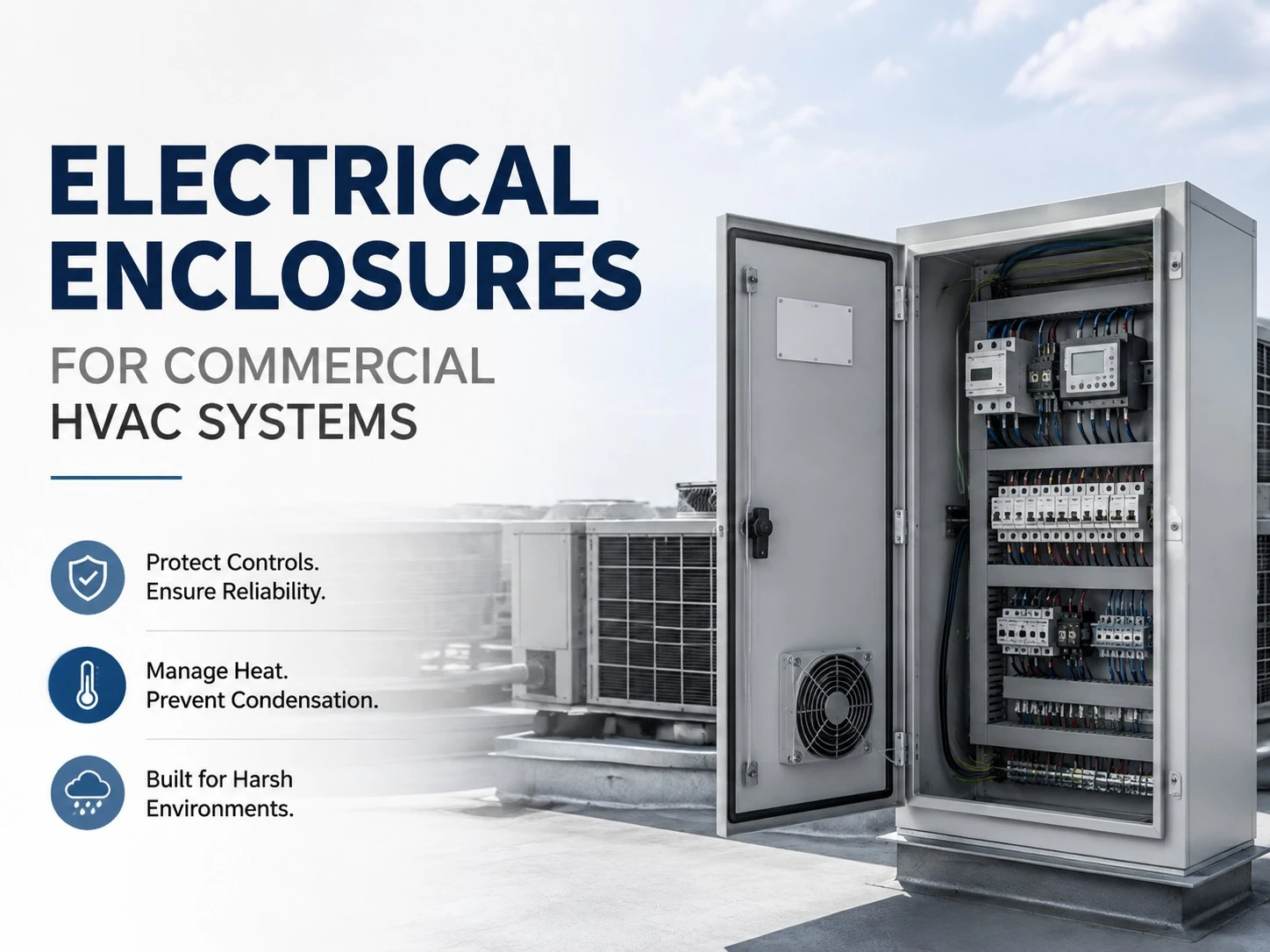
A distribution board is an electrical unit that receives incoming power and divides it into several protected branch circuits. It works as the main control point for power distribution in a building, workshop, factory, or equipment area.
A typical electrical distribution board may include a main switch, MCBs, MCCBs, RCDs, RCBOs, busbars, neutral bars, earth bars, surge protection devices, and circuit labels. For more technical background, the UL Panelboard Application Guide explains how panelboards are applied in electrical systems.
One key term you may see is “ways.” In a distribution board, ways mean the number of circuit positions available for breakers or protective devices.
For your project, a distribution board is usually the better choice when you need safer circuit control, clear labeling, and room for future expansion.
Qu'est-ce qu'une boîte de distribution ?
A distribution box is usually a compact enclosure used to protect, organize, or distribute wiring in a smaller area. It may contain terminal blocks, cable connections, small breakers, fuses, or simple control parts.
In this guide, distribution box refers to a smaller enclosure for local wiring, simple power distribution, or equipment-side connections. You can also read this guide on Les boîtiers de distribution d'énergie expliqués simplement if you want a deeper look at structure, components, and common uses.
It is often used for machine-side wiring, outdoor equipment, pump connections, temporary site power, or compact cable organization.
A distribution box may include protection devices, but not always. Some products are only empty enclosures. This is why the internal layout matters before you place an order.

Distribution Board vs Distribution Box: Quick Comparison
| Facteur | Tableau de distribution | Boîte de distribution |
|---|---|---|
| Main purpose | Controls and protects branch circuits | Houses wiring or local connections |
| Common names | DB board, panelboard, breaker panel, consumer unit | DB box, power distribution box, terminal box |
| Circuit capacity | Moyen à élevé | Faible à moyen |
| Protection devices | Usually included | Optional or limited |
| Installation | Mostly fixed and permanent | Fixed, portable, or temporary |
| Common use | Homes, offices, factories, workshops | Machines, outdoor equipment, small sites |
| Main buying risk | Wrong load or circuit capacity | Wrong size, material, or IP rating |
Quick Decision: Which One Do You Need?
Choose a distribution board when you need protected branch circuits, main power control, and future expansion. Choose a distribution box when you need a compact enclosure for local wiring, equipment connections, or temporary power access.
This simple rule helps avoid one common mistake: buying a basic electrical box when your project actually needs a complete circuit protection system.

Key Differences That Affect Your Choice
Fonction
A distribution board manages multiple circuits from one central point. It is designed for power distribution, circuit control, and electrical protection.
A distribution box has a smaller role. It is often used near equipment or in local areas where cables, terminals, or simple power connections need protection.
protection
A distribution board usually includes stronger protection devices, such as breakers, fuses, RCDs, RCBOs, or surge protection devices.
A distribution box may only provide physical protection unless breakers or fuses are added. A simple enclosure may not include breakers, busbars, grounding parts, or RCD/RCBO protection.
Capacité
Distribution boards are selected by rated current, voltage, phase type, number of ways, and breaker layout. They are better for systems with many circuits or higher load needs.
Distribution boxes are selected more by enclosure size, cable space, mounting method, material, and cable entry position. They are often used for smaller or local power points.
Environnement d'installation
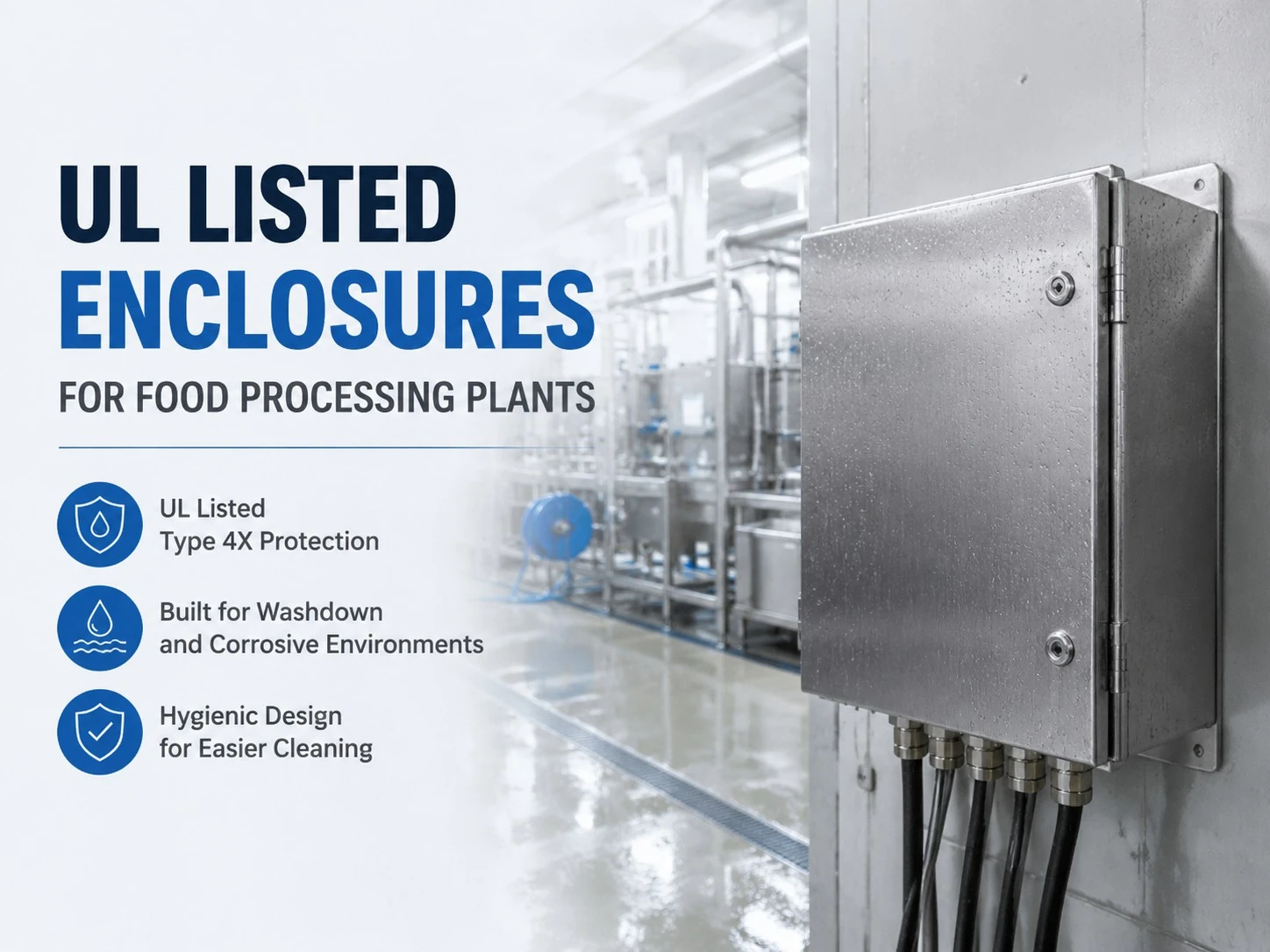
Indoor distribution boards usually need neat wiring, clear labels, and easy maintenance access. Outdoor distribution boxes need stronger protection against dust, water, sunlight, impact, or corrosion.
For outdoor or harsh locations, choose an IP-rated enclosure or NEMA-rated enclosure that matches the actual site conditions. The IEC IP Ratings page explains dust and water ingress protection, while this guide on Indices NEMA et IP can help you compare rating systems for enclosure selection.
If your project needs a custom enclosure for a distribution board, power distribution box, or outdoor electrical box, Eabel electrical enclosures can support different materials, sizes, mounting styles, and protection ratings. This helps you match the enclosure to your wiring layout, site environment, and long-term safety needs.

Are Distribution Board and Distribution Box the Same?
Sometimes, yes. But not always.
In some markets, DB box, distribution box, and distribution board may describe similar electrical products. The wording may change because of local habits, supplier naming, or regional electrical terms.
In product sourcing, however, the meaning can be different. A distribution board usually means a more complete power distribution unit. A distribution box may mean a smaller wiring enclosure, terminal box, or simple local power box.
This is also why terms like load center, panelboard, breaker panel, and consumer unit can create confusion. For a clearer comparison, see Centre de charge vs panneau de distribution : différences clés et meilleures utilisations.
Do not buy by product name only. Always confirm the internal components, rated current, number of ways, enclosure rating, and wiring diagram before ordering.
Lequel devriez-vous choisir ?
Choose a distribution board if your project needs:
- Multiple protected circuits
- Main power control
- MCBs, MCCBs, RCDs, RCBOs, or SPD
- Permanent installation
- Clear circuit labeling
- Future expansion space
Choose a distribution box if your project needs:
- Local wiring protection
- Small equipment-side connection
- Outdoor cable organization
- Temporary or portable power access
- A compact enclosure for terminals or simple breakers

Buying Checklist Before Ordering
Before buying an electrical distribution board or distribution box, prepare your project details clearly. This helps your supplier recommend the right structure, protection level, and enclosure material.
If you need a wider selection framework for enclosure material, size, rating, and application, this guide on Comment choisir le bon boîtier électrique can help you compare options before ordering.
| Item to Check | Pourquoi c'est important |
|---|---|
| Application | Home, factory, machine, outdoor site, or temporary power |
| Voltage and phase | Single-phase and three-phase systems need different layouts |
| Rated current | Helps prevent overload, overheating, and early failure |
| Number of ways | Decides breaker quantity and future expansion space |
| Protection devices | Confirms the need for MCB, MCCB, RCD, RCBO, SPD, or fuse |
| Enclosure size | Affects cable space, heat control, and maintenance access |
| Matériel | Steel, stainless steel, aluminum, ABS, and PC suit different sites |
| Indice de protection IP/NEMA | Protects against dust, water, impact, or harsh conditions |
| Installation type | Surface-mounted, flush-mounted, wall-mounted, or portable |
| Attestation | Helps meet project, safety, and local market requirements |
For North American projects, enclosure ratings may also follow NEMA types. The Boîtiers NEMA page is a useful reference when comparing enclosure protection against site conditions.

Erreurs d'achat courantes à éviter
Buying a Box Without Enough Protection
A small electrical box may look similar to a distribution board from the outside. But it may not include breakers, grounding parts, busbars, or proper circuit protection.
If your project needs overload, leakage, or surge protection, make sure these devices are included in the design.
Choosing the Wrong Enclosure Rating
An indoor box may fail quickly outdoors. Rain, dust, humidity, sunlight, and corrosion can damage wiring and internal electrical parts.
For outdoor distribution boxes, check the IP rating, sealing quality, cable gland position, and material before ordering.
Ignoring Future Expansion
Many projects start small but grow later. If the distribution board has no spare ways, adding new circuits may require rewiring or replacement.
Leaving extra space at the beginning can reduce future installation cost.
Focusing Only on Price
The cheapest product may cost more later if it causes downtime, rewiring, water damage, or early replacement.
Compare the full specification, not only the unit price. Material thickness, sealing, terminals, cable space, and certification all affect long-term value. For general workplace electrical safety guidance, you can also refer to OSHA Electrical Safety.

Practical Use Cases
| Application | Meilleur choix | Raison |
|---|---|---|
| Apartment circuit control | Distribution board | Needs multiple protected circuits |
| Office floor power | Distribution board | Supports organized branch circuit control |
| Factory power distribution | Distribution board | Handles higher load and safety control |
| Outdoor pump wiring | Boîte de distribution | Protects local wiring from weather |
| Machine-side wiring | Boîte de distribution | Keeps cable connections organized |
| Construction site power | Portable distribution box | Works well for temporary power access |
| Commercial sub-power system | Distribution board | Provides clear circuit management |
| Small outdoor equipment | Boîte de distribution | Offers compact local protection |
FAQs About Distribution Board vs Distribution Box
Conclusion

A distribution board is the better choice when you need full circuit control, branch circuit protection, and long-term expansion. A distribution box is better when you need local wiring protection, compact power access, or an enclosure for smaller connections.
Before ordering, compare the real structure, rated current, number of ways, protection devices, material, IP/NEMA rating, and installation environment. This helps you avoid wrong purchases and safer electrical system problems.
If you are choosing electrical distribution products for a building, factory, outdoor site, machine, or custom enclosure project, contactez notre équipe with your wiring layout, load requirement, and installation conditions. We can help you choose or customize the right solution more efficiently.
Lectures connexes
10 types de tableaux de distribution expliqués
Comprendre les panneaux de distribution : fonctions, composants et importance
Comment choisir le bon tableau de distribution
The Installation Requirements for the Distribution Box
Panneau principal et panneau de distribution : les principales différences expliquées



 FR
FR  EN
EN  ES
ES  AR
AR  JA
JA  KO
KO  RU
RU  DE
DE  PT
PT  IT
IT  ZH
ZH  TH
TH  VI
VI  HI
HI  MS
MS 