

What Does Electric Box Protection Really Mean?

Electric box protection means protecting electrical parts from outside risks that may cause failure, damage, or safety problems.
These risks include rain, dust, moisture, corrosion, impact, heat, insects, tampering, and accidental contact with live parts.
If you are still comparing terms like electric box, junction box, and enclosure, this guide on what an electrical enclosure is can help you understand the basic function before choosing a protection level.
For your project, electrical box protection should not be viewed as one single feature. It is a complete protection system.
This system includes the enclosure body, door gasket, lock, hinge, cable glands, conduit entries, mounting holes, vents, field-cut openings, and installation quality.
Even if the enclosure body has a high protection rating, the whole system can fail when one weak point is ignored.
For example, an outdoor electrical enclosure may have a waterproof rating. But if the installer cuts a cable hole and does not seal it correctly, water can still enter the box.
This is why you should look beyond the product label. A reliable electric box must perform well after installation, not only during testing.
Main Risks That Damage Electric Boxes
Water and Moisture
Water is one of the most common causes of electric box failure.
Outdoor electric boxes may face rain, splashing water, hose-down cleaning, humidity, condensation, or temporary flooding. Each condition needs a different protection level.
A box used under normal outdoor rain is not the same as a box used in a food plant washdown area. A coastal project also needs different protection than a dry indoor electrical room.
Moisture can damage terminals, cause rust, reduce insulation performance, and increase the risk of short circuits.
Often, the first sign of failure is not visible outside. The problem starts inside the box.
Dust and Solid Particles
Dust can cause serious electrical problems, especially in factories, farms, warehouses, construction sites, mines, and outdoor equipment rooms.
When dust enters the box, it may collect around terminals, relays, circuit breakers, and control parts.
This can reduce heat dissipation, affect electrical contact, and shorten the service life of sensitive components.
For PLCs, sensors, drives, and communication devices, dustproof electrical enclosure design is especially important.
Corrosion and Chemicals
Corrosion is a major risk in coastal, chemical, food processing, wastewater, and humid industrial environments.
Salt air, cleaning chemicals, corrosive gases, and high humidity can damage metal boxes, hinges, locks, screws, and mounting hardware.
In these environments, material selection and surface treatment may be more important than the basic waterproof rating.
A standard mild steel box may work well indoors. But near the sea, it may fail quickly without strong coating or corrosion protection.
Impact, Tampering, and Safety Risks
Electric boxes also need protection against physical damage and unauthorized access.
In industrial areas, boxes may be hit by tools, vehicles, forklifts, or nearby equipment.
In public spaces, they may face tampering or accidental contact. This is why locking, impact resistance, and safe access are important.
For public or high-impact areas, you may also need to check impact resistance, such as IK rating, depending on the project requirement.

IP vs NEMA Ratings: What You Should Know
Protection ratings help you understand what an electric box can resist. The two most common systems are IP ratings and NEMA ratings.
They are both useful, but they are not the same.
IP Ratings for Electric Boxes
IP means ingress protection.
Selon Indices de protection IP IEC, the IP code grades how well an enclosure resists dust and liquid intrusion.
An IP rating usually has two digits. The first digit shows protection against solid objects and dust. The second digit shows protection against water.
For example, in IP65, the first digit “6” means dust-tight protection. The second digit “5” means protection against water jets.
Les indices IP courants incluent :
- IP54: limited dust and splash protection for indoor industrial areas.
- IP65: dust-tight and water jet protection for outdoor control boxes.
- IP66: dust-tight and strong water jet protection for harsh outdoor sites.
- IP67: dust-tight and temporary immersion protection for special outdoor equipment.
Do not choose IP67 only because it looks higher than IP66.
IP67 focuses on temporary immersion. IP66 focuses on strong water jets. The right choice depends on the real water exposure.
For high-pressure hot-water cleaning, you may need to check higher water-ingress protection, such as IP69 or project-specific washdown requirements.

NEMA Ratings for Electric Boxes
NEMA ratings are widely used in North America.
The official guide to Types de boîtiers NEMA explains how different enclosure types are used for indoor, outdoor, wet, dusty, and corrosive conditions.
Compared with IP ratings, NEMA types cover broader environmental conditions. They may include rain, dust, water spray, corrosion, oil, ice, and other site risks.
Les types NEMA courants incluent :
| Type NEMA | Main Protection Focus | Utilisation courante |
|---|---|---|
| NEMA 1 | Protection de base à l'intérieur | espaces intérieurs propres |
| NEMA 3R | Rain, sleet, snow, falling dirt | boîtes de jonction extérieures |
| NEMA 4 | Watertight and dust-tight protection | Industrial washdown areas |
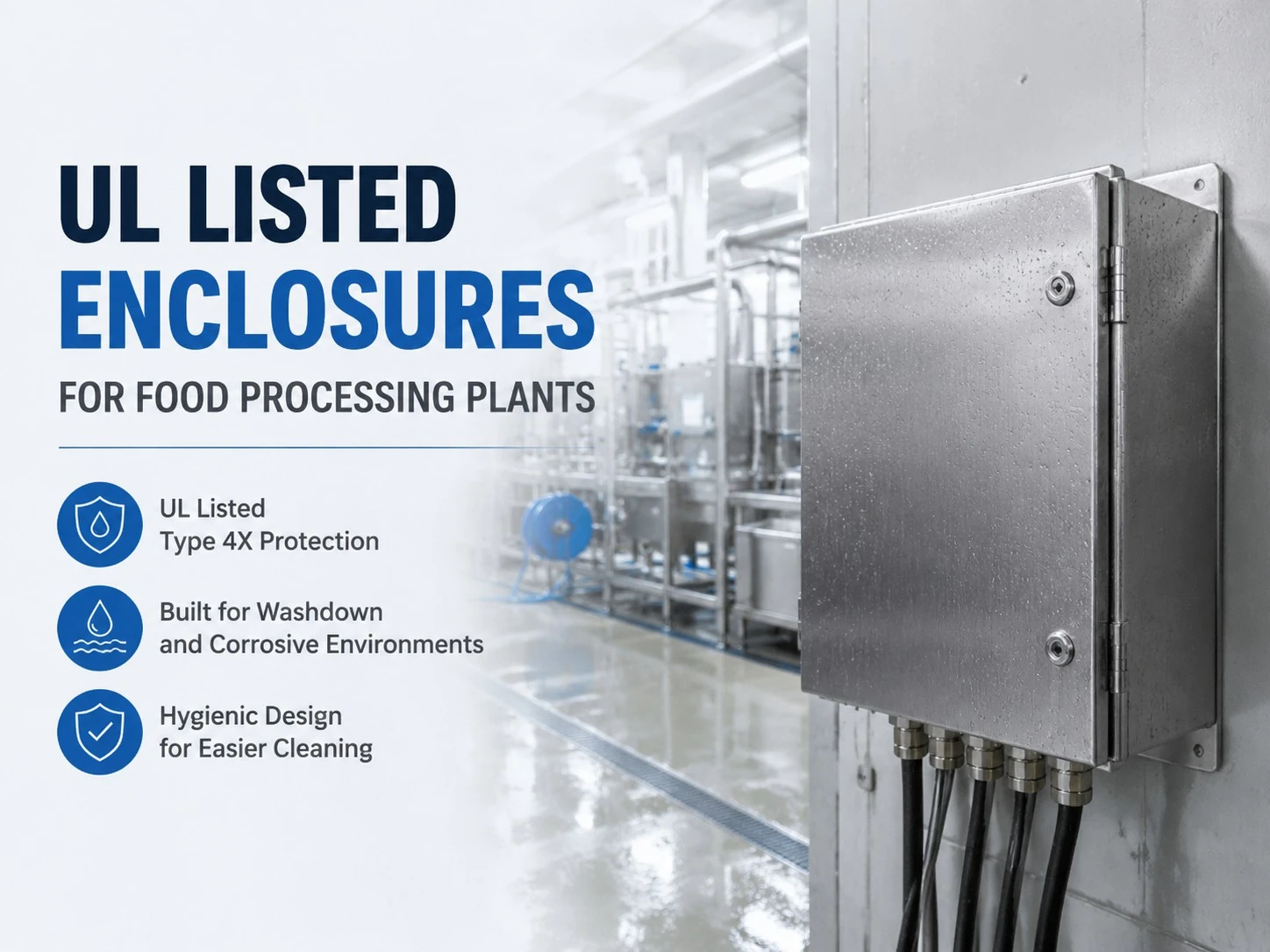
| NEMA 4X | NEMA 4 plus corrosion resistance | Coastal, food, chemical sites |
| NEMA 6 | Protection temporaire contre l'immersion | emplacements humides spéciaux |
| NEMA 6P | Prolonged submersion at limited depth, plus corrosion protection | Demanding wet and corrosive applications |
NEMA 3R is practical for many outdoor rain applications. But it is not the right choice for heavy dust, hose-down cleaning, or corrosive sites.
Avoid Direct Conversion Mistakes
IP and NEMA ratings can be compared for reference, but they should not be treated as direct equivalents.
IP mainly focuses on protection against solids and water. NEMA covers a wider range of environmental risks.
This means IP65, IP66, IP67, NEMA 4, and NEMA 4X are not interchangeable.
For a deeper comparison, you can also read this guide to Indices de protection NEMA et IP before deciding which standard fits your market or project.
A better method is to start with the real working environment.
Ask these questions before choosing:
- Is the box installed indoors or outdoors?
- Will it face rain, dust, washdown, or immersion?
- Is there salt air or chemical exposure?
- Are there sensitive electronics inside?
- Does the project require IP, NEMA, UL, IEC, or local compliance?
The correct electric box protection should come from the application, not only from a rating chart.

How to Choose Electric Box Protection by Application
Different applications need different protection. A clean indoor room does not need the same enclosure as a coastal outdoor project.
| Application | Main Risk | Que vérifier |
|---|---|---|
| local électrique intérieur | Dust, contact risk | Basic sealing, safe access, clean wiring |
| Outdoor wall box | Rain, UV, temperature change | Outdoor rating, gasket, coating, mounting height |
| Coastal project | Salt corrosion | Stainless steel, fiberglass, or corrosion-resistant material |
| usine de transformation alimentaire | Washdown, chemicals, hygiene | NEMA 4X-type protection, smooth surface, easy cleaning |
| Farm or mining site | Dust, impact, vibration | Dust sealing, strong structure, secure locking |
| Solar / EV / energy storage | Rain, heat, electronics failure | Sealing, UV resistance, heat and condensation control |
| usine chimique | Corrosive gas or liquid exposure | Material compatibility, coating, gasket resistance |
| Public area | Tampering, accidental contact | Locking, impact resistance, safe access |
This table shows why you should not select an electric box only by price or rating.
The same IP rated electric box may perform differently depending on material, gasket quality, cable entry design, mounting location, and maintenance.
For outdoor or industrial projects, always review the full installation environment before ordering.
Best Materials for Electric Box Protection
Material choice affects corrosion resistance, strength, weight, insulation, appearance, and service life.

Acier inoxydable
Stainless steel is a strong choice for outdoor, coastal, food processing, chemical, and washdown applications.
It offers good corrosion resistance, long service life, and a clean appearance. It is often used when the box must resist moisture, cleaning, and harsh environments.
However, stainless steel is not the only option for corrosion-resistant applications. Fiberglass, aluminum, and polycarbonate may also work depending on the site.
Choose stainless steel when durability and long-term reliability matter more than the lowest upfront cost.
Acier doux
Mild steel is common in indoor industrial control boxes, electrical rooms, and general factory applications.
It offers strong structure, good cost-performance, and easy fabrication. It also works well for custom sizes, cutouts, mounting plates, and control panel applications.
The main concern is corrosion.
Mild steel needs reliable coating or surface treatment, especially in humid or industrial areas.
For coastal, outdoor, chemical, or washdown applications, use mild steel only when the corrosion protection design is strong enough.
Aluminium
Aluminum is useful when you need a lighter electric box with good corrosion resistance.
It is often used in outdoor equipment, transportation systems, and projects where weight matters.
Aluminum is easier to handle than steel and can perform well in many outdoor applications. Still, you should check coating, grounding, strength, and environmental compatibility.
Fibre de verre
Fiberglass is a good option for corrosive environments, chemical plants, outdoor systems, and non-metallic enclosure needs.
It is lightweight, non-conductive, and resistant to many chemicals. It also avoids rust problems.
For corrosion-resistant electric box projects where metal is not ideal, fiberglass can be a strong solution.
Polycarbonate et plastique
Polycarbonate and plastic boxes are often used for small junction boxes, light-duty outdoor boxes, electronics housing, and low-weight applications.
They do not rust and are easy to install.
However, not all plastic boxes are suitable for harsh outdoor environments.
Before using plastic outdoors, check UV resistance, impact resistance, flame rating, temperature range, and long-term weather performance.

Protection Failure Points You May Miss
Many articles explain ratings. But real failures often happen at small details.
Door Gasket
The door gasket is one of the most important parts of electric box sealing.
A poor gasket can allow water, dust, or moisture to enter the box. Even a high-rated enclosure can fail if the gasket is damaged, poorly compressed, or made from the wrong material.
For detailed sealing steps, gasket selection, and cable entry protection, this guide on comment sceller un boîtier électrique gives a more practical installation view.
Check gasket material, aging resistance, compression, and replacement options.
For long-term enclosure protection, gasket maintenance should also be part of the plan.
Cable Glands and Conduit Entries
Cable entries are common leakage points.
A cable gland must match the required protection level. If the gland is low quality, installed loosely, or not suitable for the cable size, water and dust can enter the box.
The same applies to conduit fittings, reducers, adapters, and sealing accessories.
The final protection level depends on the weakest point. A strong enclosure body cannot protect the system if the cable entry is not sealed correctly.
Field-Cut Holes and Knockouts
Many electric boxes are modified during installation. Installers may cut extra holes, remove knockouts, or add accessories.
If these openings are not sealed correctly, the protection rating may be reduced.
When possible, confirm cutout locations before production. For custom projects, factory-made cutouts are usually more reliable than random field modification.
Unused knockouts should also be sealed with suitable plugs or fittings.
Mounting Holes and Outdoor Position
Mounting holes can become leakage points if they are not sealed properly.
For wet or damp locations, OSHA wet location enclosure requirements also stress that cabinets and boxes should be installed to prevent moisture or water from entering and accumulating inside.
Wall-mounted, pole-mounted, and floor-standing boxes all need correct fixing and sealing.
For outdoor electrical box protection, avoid low areas with standing water. Also avoid top cable entry unless the sealing design is strong enough.
A rain hood, sun shield, or proper service clearance may be useful in exposed installations.
Good mounting design improves both protection and maintenance access.
Locks, Hinges, and Vents
Locks, hinges, and vents are small parts, but they affect long-term performance.
Locks may corrode. Hinges may loosen. Vents may become blocked. Filters may collect dust.
These issues can reduce protection and make maintenance harder.
Check whether these parts suit the working environment and whether replacement parts are available.

Heat and Condensation Control Inside Electric Boxes
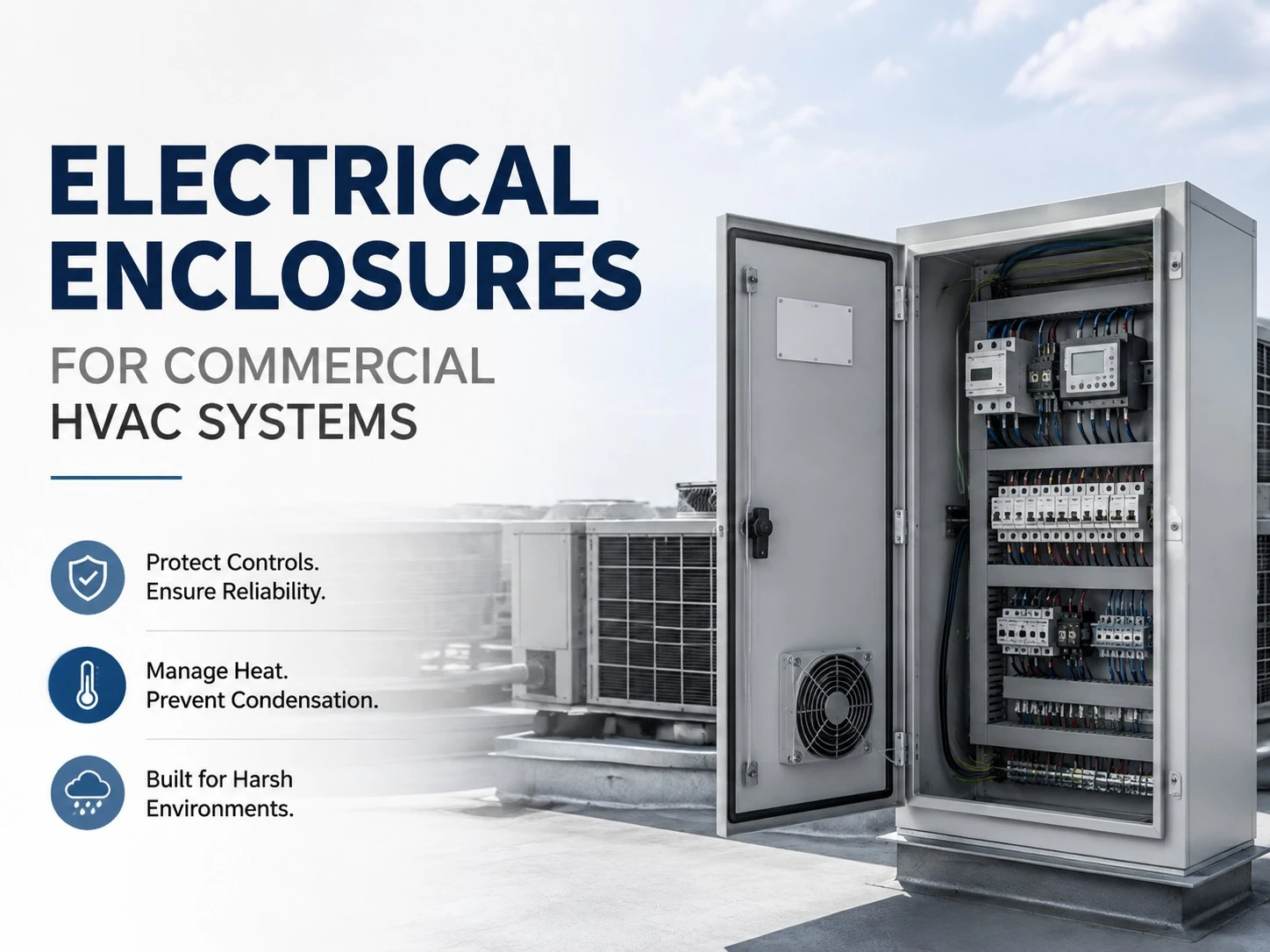
A sealed electric box can block dust and water, but it may also trap heat.
This is important when the box contains PLCs, VFDs, power supplies, communication devices, or other heat-generating components.
If heat cannot escape, internal temperature may rise. This can shorten component life and cause unexpected failure.
Condensation is another hidden risk.
Outdoor boxes may heat up during the day and cool down at night. This temperature change can create moisture inside the box, even when rainwater does not enter directly.
This is why waterproof electrical box protection and condensation control are not the same thing.
If your box contains PLCs, VFDs, or power supplies, you may also need to review enclosure ventilation before choosing a fully sealed design.
Common solutions include breather vents, drain plugs, anti-condensation heaters, fans and filters, heat exchangers, cabinet air conditioners, and proper internal spacing.
Do not choose a fully sealed box without checking the heat load of the internal components.
In some projects, the best solution is not the tightest box. It is the right balance between sealing, ventilation, cooling, and moisture control.
Total Protection Cost: Why the Cheapest Box May Cost More
The lowest-priced electric box is not always the lowest-cost choice.
If the box fails after rain, corrosion, dust exposure, or overheating, the repair cost may be much higher than the initial saving.
Total protection cost may include replacement parts, damaged components, labor, downtime, repeat installation, and failed project inspection.
For industrial, outdoor, solar, EV, and automation projects, long-term reliability often matters more than a small price difference.
A better approach is to compare the full protection value, not only the enclosure price.

Common Electric Box Protection Mistakes
Many failures can be avoided by checking the right details before ordering.
Common mistakes include:
- Choosing an indoor box for outdoor use.
- Treating “waterproof” as a clear technical rating.
- Assuming IP and NEMA ratings are direct equivalents.
- Choosing NEMA 3R for dusty or washdown environments.
- Using mild steel in coastal or chemical areas without enough corrosion protection.
- Cutting extra holes without resealing them.
- Ignoring cable gland quality.
- Choosing a high protection rating but forgetting heat dissipation.
- Ignoring gasket aging and maintenance.
The word “waterproof” is useful for search and product description. But in real projects, you should check the exact IP rating, NEMA type, material, sealing design, and installation conditions.
Checklist Before Ordering Electric Boxes
Before ordering electric boxes, check more than size and price.
For North American projects, you may also need to check standards such as UL 50E, especially when environmental performance is part of the project requirement.
| Check Point | Que confirmer |
|---|---|
| Environnement | Indoor, outdoor, coastal, dusty, humid, chemical, washdown |
| Protection rating | IP rating, NEMA type, or project-specific requirement |
| Matériel | Stainless steel, mild steel, aluminum, fiberglass, polycarbonate |
| Risque de corrosion | Salt air, chemicals, humidity, cleaning agents |
| Internal components | Breakers, terminals, PLCs, VFDs, relays, sensors |
| Cable entry | Cable glands, conduit fittings, hole size, sealing method |
| Contrôle de la chaleur | Vent, fan, filter, heater, heat exchanger, cabinet AC |
| Installation method | Wall mount, pole mount, floor standing, outdoor exposure |
| Accessoires | Lock, hinge, gasket, mounting bracket, rain hood |
| Conformité | IP rating, NEMA type, UL 50/50E, IEC, or local project standards |
| Entretien | Spare gasket, replaceable filters, easy access, inspection plan |
This checklist helps you compare different electric box suppliers more clearly.
It also helps prevent common problems before installation starts.

What Makes a Reliable Electric Box Supplier?
A reliable supplier should do more than sell an enclosure.
You need support that starts with the site conditions, then moves to rating, material, gasket, cable entry, cooling, and installation details.
For custom electrical enclosure projects, drawing confirmation before production is very important. It helps reduce installation errors and avoids unnecessary field modifications.
A strong supplier should support custom sizes, mounting plates, cutouts, cable gland layouts, drawings, and accessory matching.
If you need custom sizes, cutouts, mounting plates, cable gland layouts, or outdoor-rated solutions, you can also review Eabel’s coffrets électriques sur mesure to see how different enclosure designs support industrial, outdoor, waterproof, and dustproof applications.
Stable quality also matters for repeat orders, especially for contractors, OEM buyers, panel builders, and project distributors.
Before choosing a supplier, check whether they can:
- Recommend the right IP or NEMA protection level.
- Offer different materials for different environments.
- Customize size, cutouts, mounting plates, and cable entry.
- Provide drawings before production.
- Match gaskets, locks, hinges, vents, and cable glands.
- Support outdoor, waterproof, dustproof, or corrosion-resistant projects.
- Understand compliance needs for your target market.
A supplier who understands protection details can help you avoid costly failures before installation.

FAQs About Electric Box Protection
Conclusion

Electric box protection affects safety, equipment life, maintenance cost, and project reliability. The right choice should match the real environment, protection rating, material, sealing design, cable entry, heat control, and installation method.
A strong-looking box is not enough if the details fail in real use. Gaskets, cable glands, field-cut holes, mounting position, condensation control, and material selection all affect long-term performance.
If you need outdoor, waterproof, dustproof, stainless steel, corrosion-resistant, or custom electric box protection, send us your installation environment and component list.
Nous pouvons vous aider choose a safer, more durable, and more cost-effective enclosure solution for your project.
Lectures connexes
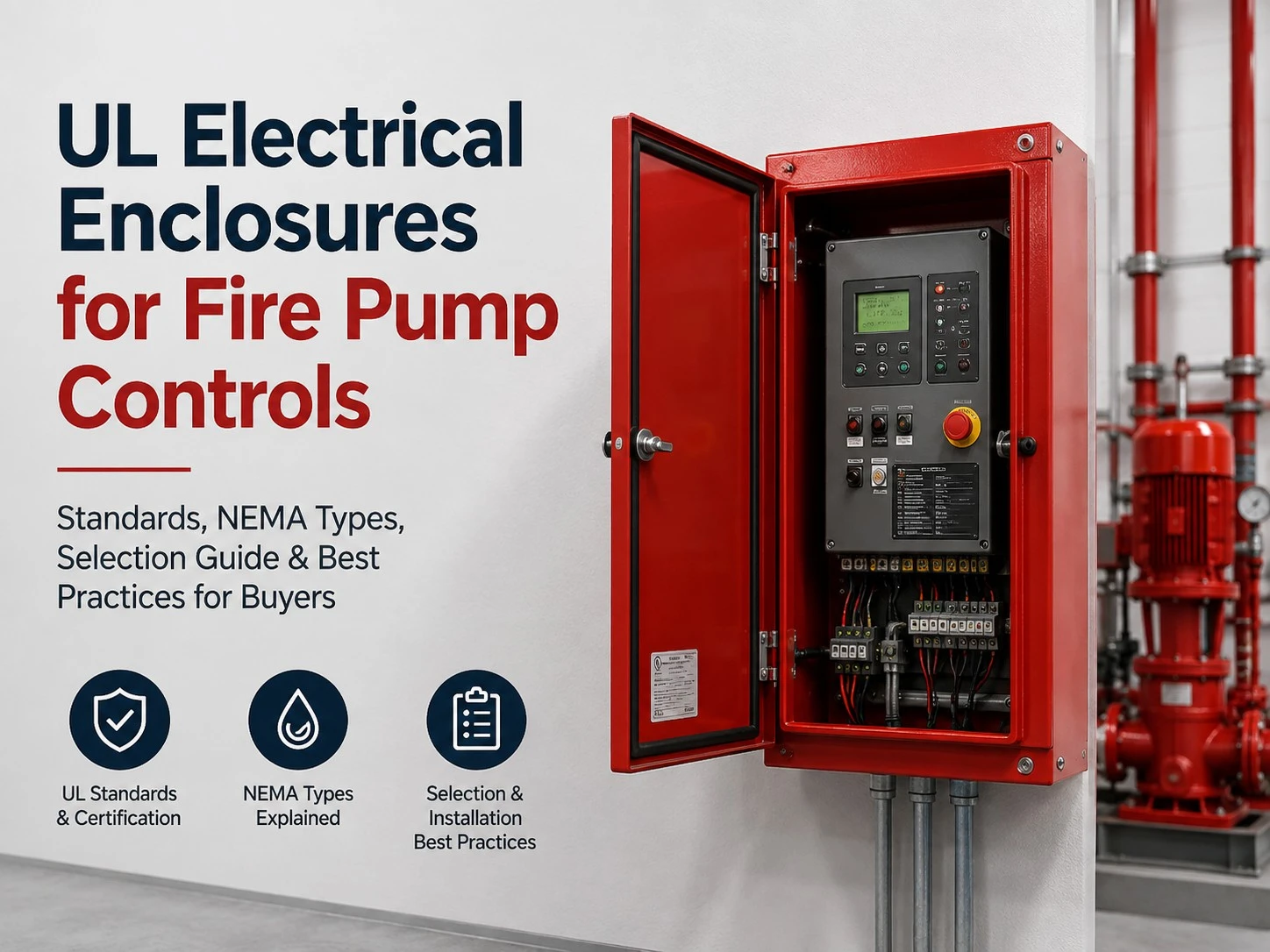
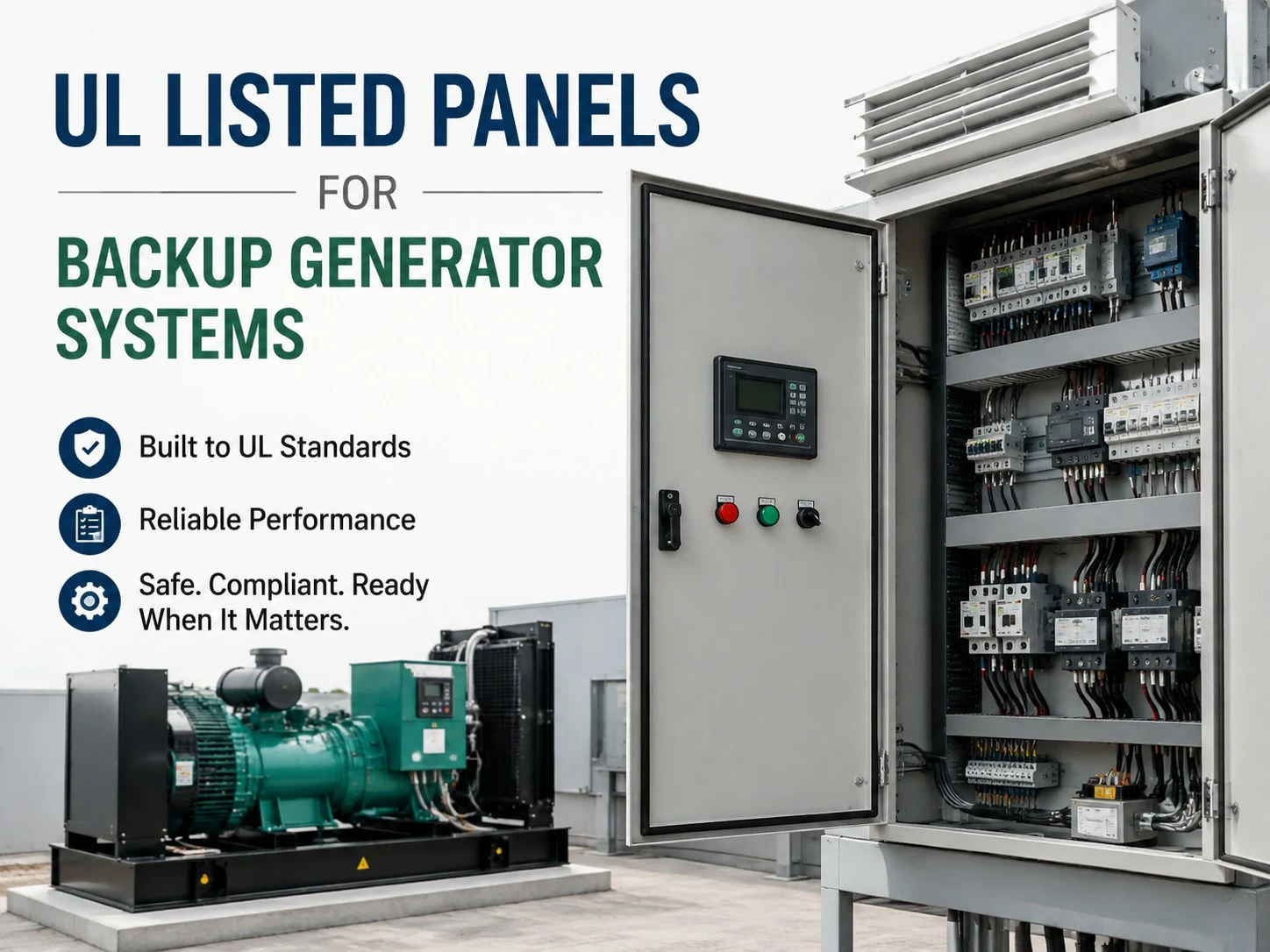
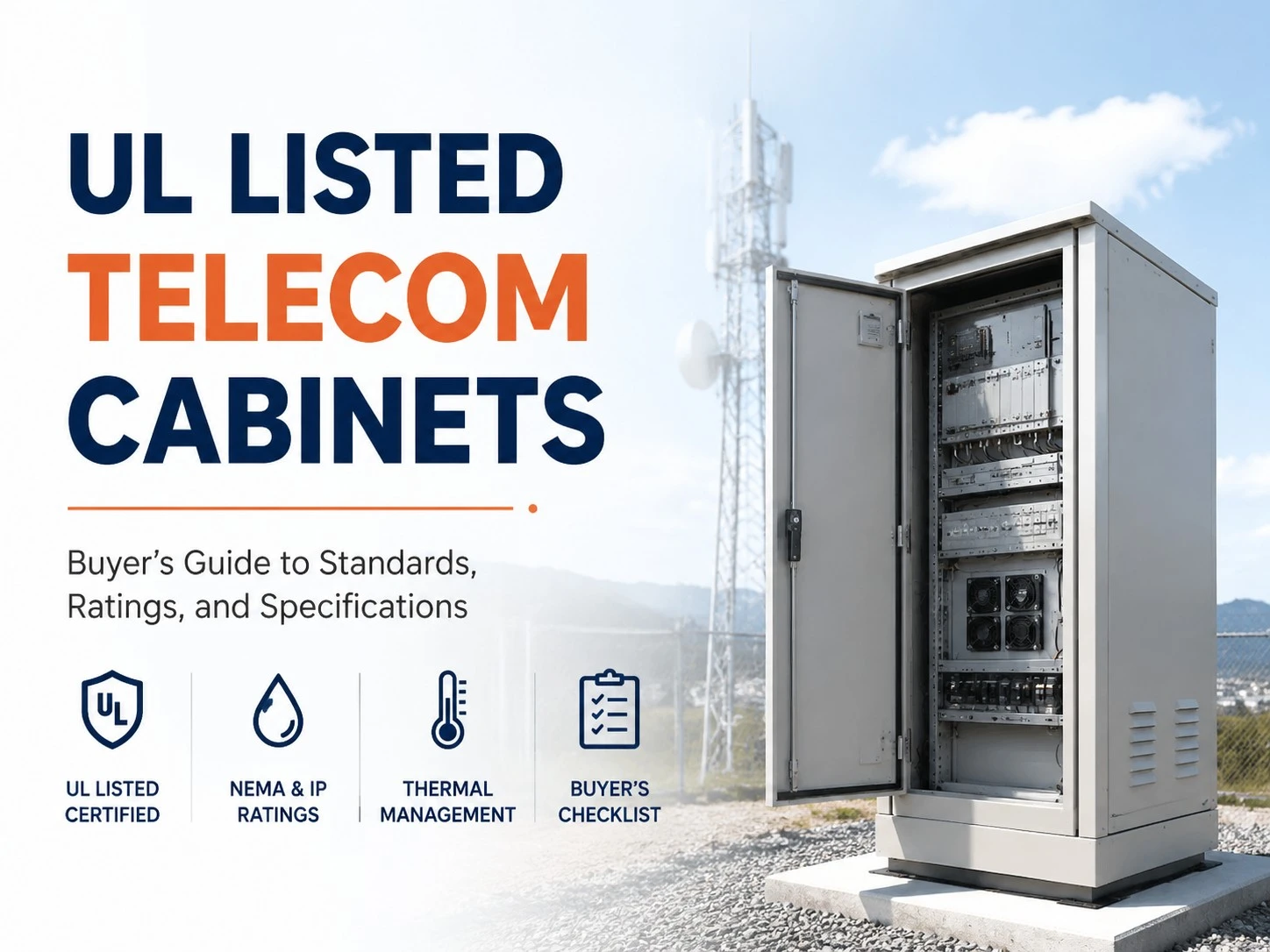
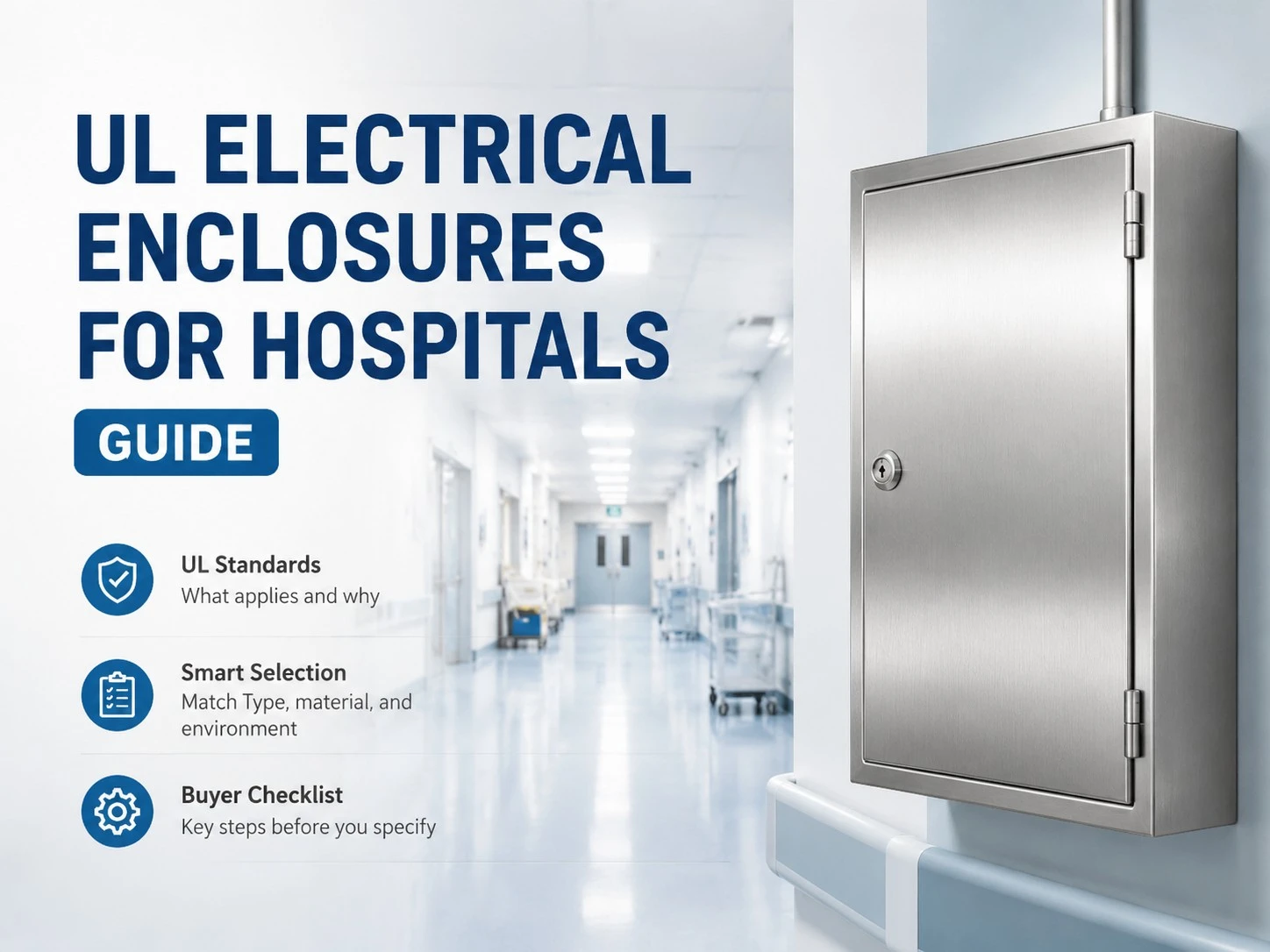
Sécurité des boîtiers électriques : risques, normes et bonnes pratiques
IP65 vs IP66 vs IP67: Which Rating Is Best?
Boîtiers NEMA 4X : Guide d’étanchéité
NEMA 3R ou NEMA 4X : lequel est le meilleur ?



 FR
FR  EN
EN  ES
ES  AR
AR  JA
JA  KO
KO  RU
RU  DE
DE  PT
PT  IT
IT  ZH
ZH  TH
TH  VI
VI  HI
HI  MS
MS 