

Why Climate Matters for Electrical Enclosure Reliability
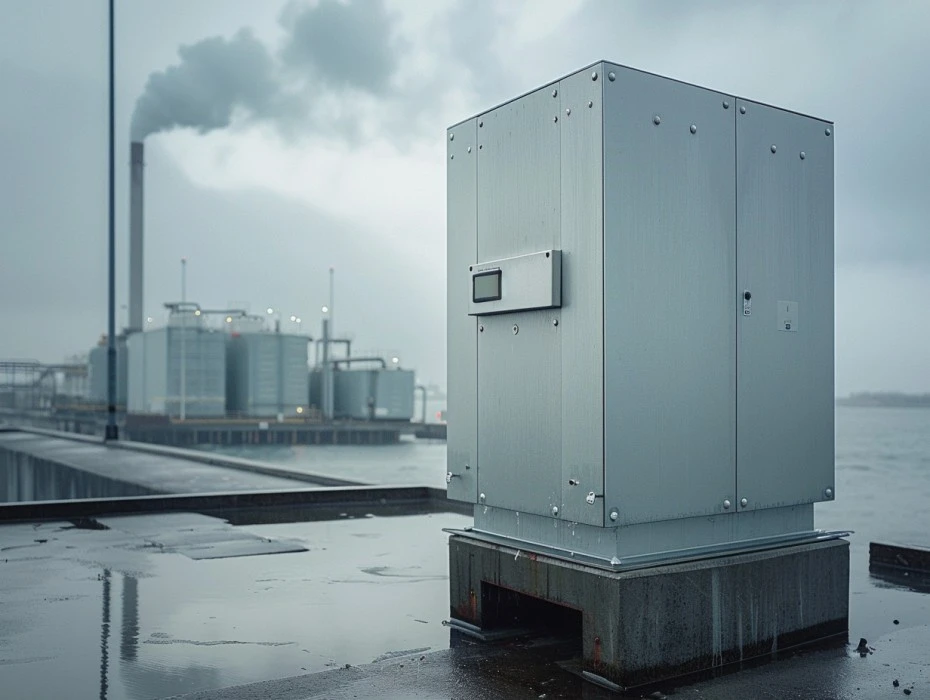
Electrical enclosure reliability depends on how well the cabinet handles real site stress. Poor climate protection can increase downtime, repair cost, and component replacement.
In hot areas, internal heat can rise above safe limits. In humid areas, condensation may form inside the cabinet. In coastal or chemical sites, corrosion can attack hinges, latches, fasteners, and grounding points.
A poor enclosure choice may not fail on day one. Over time, it can reduce electrical enclosure durability and raise maintenance costs.
Climate Risks That Cause Enclosure Failure
Heat and Sun Exposure
High temperature and direct sun can raise internal cabinet heat. This may age gaskets, fade coatings, shorten component life, and cause thermal shutdown in exposed outdoor sites.
Humidité et condensation
Humidity becomes risky when warm, moist air cools inside the enclosure. Water droplets can form on electrical parts and lead to corrosion, short circuits, signal faults, and insulation damage.
Rain, Snow, and Water Ingress
Water can enter through weak gaskets, door gaps, cable glands, vents, hinges, or unsealed field-drilled holes.
Snow and ice can also stress doors and seals. For outdoor enclosure protection, correct sealing and installation are just as important as the enclosure rating.

Dust, Sand, and Airborne Particles
Dust and sand can block filters, reduce airflow, and raise internal temperature. Fine particles may also settle on terminals and electronic parts.
This is common in farms, mines, cement plants, and dry outdoor sites. Dust protection and filter service should be part of the enclosure plan.
Salt Air, Chemicals, and Pollution
Coastal air, cleaning chemicals, wastewater gases, and industrial pollution can speed up corrosion. Damage often starts on hinges, locks, screws, welds, and exposed edges.
Powder-coated steel may have a shorter service life in coastal or chemical environments if the coating is damaged. In these sites, a Boîtier NEMA 4X or another corrosion-resistant design is often a better choice.
UV and Outdoor Weathering
UV exposure can weaken plastics, fade coatings, and age rubber seals. Over time, this can cause cracks, leaks, and poor door compression.
Climate Risk and Failure Map

| Conditions du site | Qu'est-ce qui peut mal tourner ? | Recommended Protection |
|---|---|---|
| Forte chaleur | Overheating, gasket aging, shutdown | Cooling, shade, light color |
| Humidité élevée | Condensation, rust, short circuits | Heater, breather vent, sealed glands |
| Salt air | Corrosion on body and hardware | 316 stainless steel or NEMA 4X |
| Dust and sand | Filter clogging, dirty terminals | Dust-tight design, filter service |
| Exposition aux UV | Cracked plastic, faded coating | UV-resistant coating or material |
| Freeze-thaw | Ice, seal stress, water ingress | Low-temp gasket and heater |
How Temperature Affects Electrical Enclosure Performance
Temperature affects both the enclosure and the equipment inside. In hot climates, the cabinet can trap heat from electrical components, sunlight, and poor airflow.
Before choosing fans or air conditioners, check the heat load inside the enclosure. This guide de contrôle de la température des armoires électriques can help you plan cooling, ventilation, or heaters before the cabinet is built.
Dark enclosure colors can absorb more heat under direct sun. A light-colored coating, sun shield, shade cover, or larger enclosure can help reduce electrical cabinet overheating.
Cold climates create different risks. Low temperature can make some plastics and gaskets stiff or brittle. Ice may also affect locks, hinges, and door sealing.
When a cold enclosure warms up quickly, condensation may form inside. For cold outdoor electrical enclosures, low-temperature gaskets and anti-condensation heaters are often worth considering.

How to Prevent Condensation Inside Electrical Enclosures
Condensation often appears when warm, humid air cools inside the enclosure. The point de rosée helps explain when air can no longer hold moisture and water droplets begin to form.
A fully sealed enclosure can still fail if heat and moisture are trapped inside. That is why electrical enclosure moisture control should be planned early.
Seal cable entries carefully. Use rated cable glands, sealing washers, and proper plugs for unused holes. Poor cable sealing is one of the easiest ways for moisture to enter.
Anti-condensation heaters can keep the internal temperature above the dew point. For deeper moisture-control methods, review this guide on how to éviter la condensation dans les enceintes.
During maintenance, look for water marks, rust spots, white corrosion, swollen labels, or moisture near the bottom of the cabinet. These signs often reveal a larger humidity issue.
Best Electrical Enclosure Materials for Harsh Climates
The best enclosure material depends on the real climate, not just the budget. A good choice can reduce corrosion, coating failure, seal damage, and service cost.

| Matériel | Idéal pour | Climate Warning |
|---|---|---|
| Powder-coated carbon steel | Dry indoor or mild outdoor use | Not ideal for coastal or chemical areas |
| Acier inoxydable 304 | Zones extérieures et de lavage | May not be enough for high-salt sites |
| Acier inoxydable 316 | Coastal, marine, chemical areas | Higher cost, stronger corrosion resistance |
| Aluminium | Lightweight outdoor projects | Check chemical compatibility |
| Fibre de verre / Polycarbonate | Corrosive sites or electrical insulation needs | Check UV and impact resistance |
Carbon steel is cost-effective for indoor cabinets, while stainless steel, aluminum, fiberglass, or polycarbonate may perform better in harsh outdoor or corrosive sites.
For a wider comparison of metals, plastics, and fiberglass, this guide de sélection des matériaux d'encapsulation can help you match material choice to climate, rating, cost, and service life.
If your project involves outdoor, coastal, washdown, or high-humidity conditions, you can also review Boîtiers électriques E-Abel as a reference for material, size, rating, and customization options. The key is to match the enclosure to the real site conditions, not just the rating label.
How to Choose the Right IP or NEMA Rating for Your Site
IP and NEMA ratings help describe protection levels, but they are not the only selection factor. A higher number does not always mean the best fit for your project.
First, define the real exposure. Will the enclosure face rain, washdown, dust, salt air, snow, hose-directed water, temporary water contact, or chemical spray?
Le Indices de protection IP IEC system grades how well an enclosure resists dust and liquid ingress. For dry indoor factories, NEMA 12 or IP54-level protection may be enough.
For outdoor rain and dust, NEMA 3R, NEMA 4, IP65, or IP66 may be more suitable. For washdown areas, NEMA 4, NEMA 4X, or IP66 may be considered.
For coastal or corrosive sites, pair the right rating with 316 stainless steel, FRP, or another corrosion-resistant material. The official NEMA enclosure type definitions can help clarify protection levels such as Type 4X.
Do not compare IP and NEMA as perfect equals. IP ratings focus mainly on dust and water ingress. NEMA ratings may also include extra factors such as corrosion and external ice formation. This Indices de protection NEMA et IP guide explains the difference in more detail.

Enclosure Climate Control Options for Reliability
Passive protection, such as shade, sun shields, light-colored coating, insulation, and better component spacing, can reduce heat stress before active cooling is needed.
Active cooling is useful when internal heat is too high. Common choices include filter fans, heat exchangers, enclosure air conditioners, and air-to-water cooling for heavy heat loads.
Moisture control is just as important in humid or cold climates. Heaters, thermostats, hygrostats, desiccants, breather drains, and pressure compensation devices can help protect internal parts.
The right solution depends on the site. A dusty location may not suit simple fan ventilation unless filtration is well planned. A sealed cabinet may still need heat or humidity control inside.
Installation Details That Protect Enclosure Performance
Even the right enclosure can fail if it is installed poorly. Door alignment, gasket compression, latch pressure, cable entry, and mounting position all affect long-term reliability.
Use rated cable glands and seal unused holes. Add drip loops for outdoor wiring when suitable. Avoid placing the cabinet where water collects, chemical spray hits directly, or airflow is blocked.
If the enclosure needs ventilation or cooling, keep filters and vents easy to access. A climate control system that cannot be cleaned will lose performance over time.
For certified projects, Norme d'enceinte UL 50E requirements can also help you review environmental construction and performance considerations for electrical equipment enclosures.

Maintenance Checklist for Harsh Environment Enclosures
- Inspect gaskets, hinges, latches, and cable glands.
- Check for rust, water marks, dust buildup, and cracked seals.
- Clean or replace filters before airflow drops.
- Test heaters, fans, thermostats, and hygrostats.
- Reseal unused holes and loose fittings.
- Review seasonal failures before choosing the next enclosure.
Avoid These Costly Enclosure Mistakes
Many electrical enclosure failures happen because the selection is based on rating alone. A high IP rating cannot prevent corrosion if the material is wrong for the climate.
A fan can also create problems in dusty or wet areas if filtration is poor. Field-drilled holes, loose glands, poor gasket compression, and direct sun exposure are common causes of early failure.
Another mistake is ignoring condensation. A sealed cabinet can still collect moisture inside when temperature changes. For humid, coastal, or cold sites, moisture control should start at the design stage.

FAQs About Climate and Electrical Enclosures
Conclusion

Climate can reduce electrical enclosure reliability through heat, moisture, UV, dust, corrosion, and freeze-thaw stress. The best enclosure should match your site conditions, material, sealing level, thermal load, and maintenance plan.
Need an outdoor, coastal, industrial, or custom electrical enclosure? Contactez-nous to discuss your project environment. We can help you choose the right material, IP/NEMA rating, size, accessories, and climate-control solution for safer long-term performance.



 FR
FR  EN
EN  ES
ES  AR
AR  JA
JA  KO
KO  RU
RU  DE
DE  PT
PT  IT
IT  ZH
ZH  TH
TH  VI
VI  HI
HI  MS
MS 