

Indoor and outdoor electronics enclosures may look similar, but they are designed for different operating conditions. The difference involves more than keeping rain away from electrical components.
Outdoor enclosures may need to withstand sunlight, humidity, corrosion, windblown dust, temperature cycling, and unauthorized access. Indoor enclosures face fewer weather risks, but factories, washdown areas, and dusty workshops can still require a high level of protection.
The right choice starts with the actual exposure. From there, you can select the required NEMA or IP rating, material, sealing system, and thermal-control method.

Indoor vs Outdoor Electronics Enclosures at a Glance
Indoor enclosures suit dry, controlled spaces, while outdoor-rated enclosure designs address weather, UV exposure, condensation, and corrosive air. The deciding factor is actual exposure, not whether the installation is technically inside or outside.
| Facteur | Indoor Electronics Enclosure | Outdoor Electronics Enclosure |
|---|---|---|
| Main exposure | Dust, contact, and minor drips | Rain, UV, humidity, windblown dust, and temperature cycling |
| Typical NEMA Types | 1, 2, 12, and 13 | 3R, 4, 4X, 6, and 6P |
| Typical sealing | Open, partially sealed, or moderately gasketed | Gasketed doors and sealed openings |
| Common materials | Painted steel, ABS, aluminum, and stainless steel | Coated steel, stainless steel, aluminum, fiberglass, and UV-stable polycarbonate |
| Thermal challenge | Heat generated by internal components | Internal heat, solar gain, and changing ambient temperatures |
| Risque de corrosion | Generally lower, except in harsh industrial rooms | Often higher in coastal, chemical, and polluted locations |
| Initial cost | Généralement plus bas | Usually higher due to materials, sealing, and accessories |
| Maintenance focus | Dust removal and component access | Gaskets, corrosion, water paths, filters, and climate-control equipment |
NEMA identifies Types 1, 2, 5, 12, 12K, and 13 for indoor locations. Types 3, 3X, 3R, 3RX, 3S, 3SX, 4, 4X, 6, and 6P may be used indoors or outdoors according to their defined protection conditions.
Match the Enclosure to the Exposure, Not the Address
The enclosure should match what can reach it, not simply where it appears on a building plan.
| Environnement | Main Conditions | General Selection Direction |
|---|---|---|
| Clean indoor room | Dry air, limited dust, and stable temperatures | General indoor enclosure |
| Harsh indoor area | Dust, oil mist, coolant, humidity, or washdown | Sealed industrial enclosure |
| Sheltered outdoor area | Humidity, insects, condensation, and wind-driven moisture | enceinte extérieure |
| Fully exposed outdoor area | Rain, UV, snow, dust, salts, or chemicals | Weather-resistant and corrosion-resistant enclosure |
A loading bay, parking structure, or equipment shelter should not automatically be treated as a normal indoor location. Even without direct rainfall, the enclosure may still face moisture, temperature cycling, insects, and airborne contaminants.
NEMA and IP Ratings for Indoor and Outdoor Enclosures
Types NEMA are widely used in North America and may address rain, dust, hose-directed water, corrosion, ice formation, or submersion. They are not a simple low-to-high scale: NEMA 13 covers oil and coolant spray indoors, while NEMA 3R addresses rain and sleet outdoors.
| Type NEMA | Intended Location | Protection principale |
|---|---|---|
| NEMA 1 | Intérieur | Contact with hazardous parts and limited falling dirt |
| NEMA 2 | Intérieur | Falling dirt and limited dripping water |
| NEMA 12 / 12K | Intérieur | Circulating dust, falling dirt, and dripping noncorrosive liquids |
| NEMA 13 | Intérieur | Dust and spraying water, oil, or noncorrosive coolant |
| NEMA 3R | Indoor or outdoor | Rain, sleet, and damage from external ice formation |
| NEMA 4 | Indoor or outdoor | Rain, windblown dust, splashing, and hose-directed water |
| NEMA 4X | Indoor or outdoor | Type 4 conditions plus an additional level of corrosion protection |
| NEMA 6 | Indoor or outdoor | Hose-directed water and temporary submersion at a limited depth |
| NEMA 6P | Indoor or outdoor | Hose-directed water, prolonged submersion at a limited depth, and additional corrosion protection |
For outdoor electronics, NEMA 3R is a common starting point for rain and sleet, NEMA 4 adds windblown dust and hose-directed water, and NEMA 4X adds corrosion protection.
A stainless steel box is not automatically NEMA 4X. Type 4X describes the tested performance of the complete enclosure, including its door, gasket, fasteners, and openings—not only the sheet-metal grade.

How IP Ratings Differ
The IP Code defined by CEI 60529 uses two main digits. The first describes protection against access and solid foreign objects. The second describes protection against water.
- IP54: Limited dust ingress and protection against splashing water
- IP65 : Dust-tight and protected against water jets
- IP66 : Dust-tight and protected against powerful water jets
- IP67 : Dust-tight and protected against temporary immersion
- IP68 : Dust-tight and evaluated for continuous immersion under conditions stated by the manufacturer
NEMA Types and IP ratings are not exact equivalents. IP ratings focus on access, solid-object ingress, and water ingress, while some NEMA Types also address corrosion, oil, coolant, or ice formation.
A high IP rating therefore does not confirm long-term resistance to UV exposure, salt, or gasket aging. These factors require separate material and design verification.
Material Choices for Indoor and Outdoor Enclosures
There is no single best enclosure material. The choice should reflect moisture, chemicals, salt, impact, weight, heat transfer, electrical conductivity, and project cost.
| Matériel | Main Advantages | Main Limitations | Applications courantes |
|---|---|---|---|
| Powder-coated mild steel | Strong, economical, and easy to fabricate | Coating damage can expose the steel to corrosion | Dry indoor systems and qualified moderate outdoor designs |
| Acier inoxydable 304 | Good corrosion resistance, strength, and cleanability | Less resistant than 316 in chloride-rich environments | Humid factories and many washdown applications |
| Acier inoxydable 316 | Meilleure résistance à l'exposition au sel et aux chlorures | Higher material and fabrication cost | Coastal, marine, and chemical locations |
| Aluminium | Lightweight, corrosion-resistant, and easy to machine | Galvanic corrosion and coating compatibility require attention | Telecom, instrumentation, and weight-sensitive systems |
| abdos | Affordable, lightweight, and easy to modify | Many grades are not designed for long-term UV exposure | Indoor electronics and control devices |
| UV-stable polycarbonate | Impact-resistant, nonconductive, and available in outdoor grades | Chemical compatibility and surface scratching must be checked | Outdoor controls, sensors, and communication equipment |
| Fiberglass-reinforced polyester | Nonconductive and resistant to many corrosive environments | Field modification and long-term surface condition need attention | Wastewater, chemical, and industrial outdoor applications |
Stainless steel is corrosion-resistant, not corrosion-proof. Grade, surface finish, fabrication quality, salt deposits, cleaning, and the surrounding environment all affect its service life. Chlorides are a major concern in coastal and polluted locations, which is why 316 stainless steel is often preferred over 304 where salt exposure is significant.
Plastic requires the same level of care. “Plastic” does not mean “indoor only,” but the exact resin grade matters. UL 746C evaluates polymeric materials used in electrical equipment and includes outdoor-suitability assessments related to UV exposure and water immersion. Qualifying materials may carry F1 or F2 designations in their UL material records.

Material alone does not determine the NEMA Type or IP rating. Door construction, gasket compression, fasteners, hinges, wall thickness, and installed accessories all contribute to the final protection level.
Temperature, Solar Heat, and Condensation
A dry enclosure can still fail from overheating or condensation. Internal components generate heat, while sealing restricts heat loss; outdoor installations may also absorb significant heat from direct sunlight. Condensation forms when humid air reaches a surface below its dew point, making day-night temperature swings a particular concern outdoors.
| Condition | Suitable Thermal-Control Direction |
|---|---|
| Low heat load and cool ambient air | Natural heat transfer through the enclosure walls |
| Moderate heat load and clean surrounding air | Filter fan and outlet filter |
| Dusty, oily, or chemically aggressive air | Closed-loop air-to-air heat exchanger |
| High ambient temperature or high heat load | Enclosure air conditioner or air-to-water heat exchanger |
| Cold or highly variable temperatures | Heater controlled by a thermostat or hygrostat |
| Strong solar exposure | Sun shield, double wall, light finish, or shaded installation |
| Recurring condensation | Heater, humidity control, or pressure-compensation vent |
Natural heat transfer works only when ambient air is cooler than the target internal temperature. Fan-and-filter units bring outside air into the enclosure, so use them only where that air is cool and clean. In dusty, oily, or chemically aggressive environments, a closed-loop heat exchanger separates the internal and external air circuits, while heaters or humidity controls can help keep surfaces above the dew point. Learn more about selecting an electrical enclosure temperature-control method.
Cooling equipment should not be set lower than necessary. Excessive cooling wastes energy and may increase condensation risk when warm, humid air reaches cold internal surfaces.
Construction and Installation Details That Preserve Protection
Every opening or accessory can affect the enclosure rating, so the finished assembly—not the empty box—must be evaluated as one system. The door, gasket, cable entries, controls, and cooling components should all support the required Type or IP rating.
Key details include:
- Door gaskets: Select a material compatible with the expected temperature, UV, oil, and chemicals. The door should provide even compression around the seal.
- Door edges and rain channels: Overlapping flanges, drip edges, and rain channels direct water away from the opening.
- Cable glands and conduit fittings: Match them to the cable diameter and required environmental rating. Poorly sized or tightened fittings create direct leakage paths. See the cable gland selection guide for more detail.
- Entry location: Avoid top entries where practical. Bottom or downward-facing entries reduce exposure to standing and driven water.
- Unused openings: Close them with correctly rated plugs rather than tape or general-purpose caps.
- Cooling and ventilation equipment: Fans, heat exchangers, and air conditioners should maintain the required enclosure rating after installation.
- Windows and operator devices: Displays, touchscreens, push buttons, and observation windows must preserve the environmental seal.
- Mounting hardware: Prefer external brackets that do not require drilling through the protected interior.
- Locks, hinges, and fasteners: Outdoor hardware should resist corrosion while maintaining door alignment and gasket pressure.
- Cable routing: Use drip loops so water falls away before the cable reaches the enclosure entry.
UL evaluates enclosure accessories such as window kits, filter fans, hole plugs, rain hoods, cable-sealing fittings, handles, hinges, and latches for their ability to maintain a Type or IP-rated seal when installed under defined conditions.
Field modification does not always make a rating impossible, but every new opening must use a suitable component and follow the enclosure and accessory manufacturers’ installation instructions.
How to Choose the Right Indoor or Outdoor Enclosure
Use a structured selection process rather than choosing by material, appearance, or purchase price alone.
1. Define the Actual Exposure
Record the conditions that may reach the enclosure:
- Rain or hose-directed water
- Dust, fibers, or sand
- Oil, coolant, or cleaning chemicals
- Salt air or industrial pollution
- Lumière directe du soleil
- High and low ambient temperatures
- Ice, snow, or temporary flooding
- Impact, vandalism, or unauthorized access
Do not label a location simply as “indoor” when the equipment sits in a wet, dusty, or corrosive production area.

2. Check the Installed Electronics
Confirm the operating-temperature range, heat output, humidity limit, wiring space, and future expansion needs of all major components. Strong ingress protection will not compensate for an enclosure that allows the electronics to overheat.
3. Select the Required Rating
Use the project specification, actual exposure, and applicable codes or standards to choose the appropriate enclosure type and NEMA or IP rating.
Do not automatically specify the highest number. Excessive sealing can increase cost and make heat management more difficult without solving the real environmental risk.
4. Choose the Material and Finish
Match the material to corrosion, strength, weight, hygiene, and fabrication requirements.
Painted steel may be suitable for a dry indoor room, while a coastal installation may justify 316 stainless steel, fiberglass, or a qualified UV-stable polymer.
5. Plan the Complete Enclosure System
Select the enclosure together with its:
- Mounting plate and internal rails
- Cable glands and conduit fittings
- Windows and operator controls
- Cooling or ventilation equipment
- Heater or humidity control
- Locks and access hardware
- Wall, pole, or floor-mounting brackets
- Sun shield or rain canopy
Planning these components before fabrication reduces incompatible openings and last-minute sealing problems.
6. Verify the Finished Configuration
Check the enclosure marking, technical documentation, and installation instructions. Confirm that the rating applies to the selected material, door style, mounting orientation, and installed accessories.
IEC 62208:2023 defines classifications, characteristics, and tests for empty enclosures used in indoor or outdoor low-voltage switchgear and controlgear assemblies. Once equipment is installed, the completed assembly may also need verification under the relevant end-product standard.

Application Starting Points
The following examples are starting points, not final engineering specifications.
| Application | Main Environmental Risk | Possible Starting Point |
|---|---|---|
| Clean electrical room | Contact and light falling dust | NEMA 1 |
| Indoor factory control system | Circulating dust and dripping liquid | NEMA 12 |
| Machine-tool enclosure | Oil, coolant, and spraying liquid | NEMA 13 |
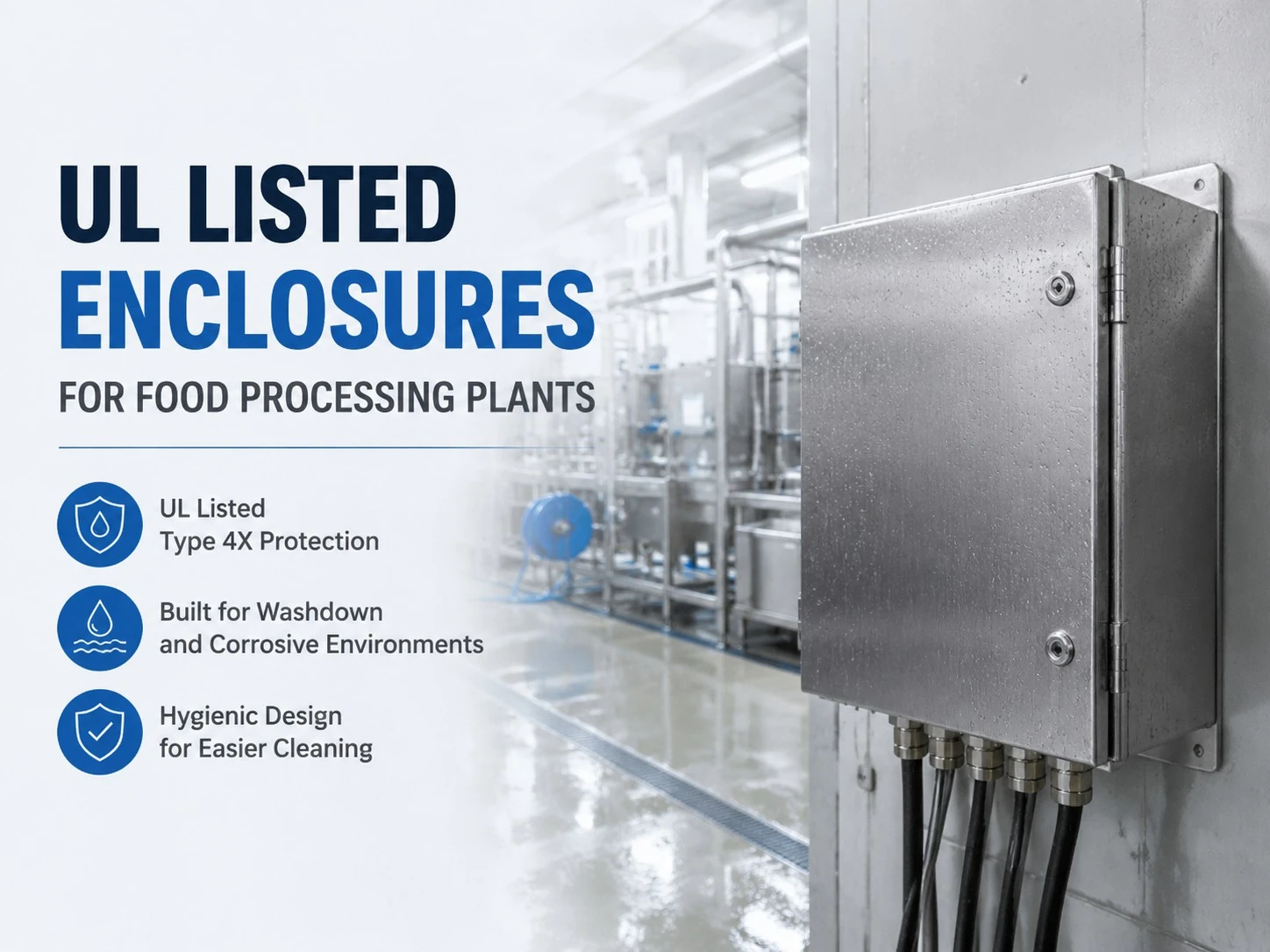
| Indoor washdown area | Hose-directed water and cleaning exposure | NEMA 4 ou 4X |
| Covered outdoor utility equipment | Rain, sleet, and temperature cycling | NEMA 3R |
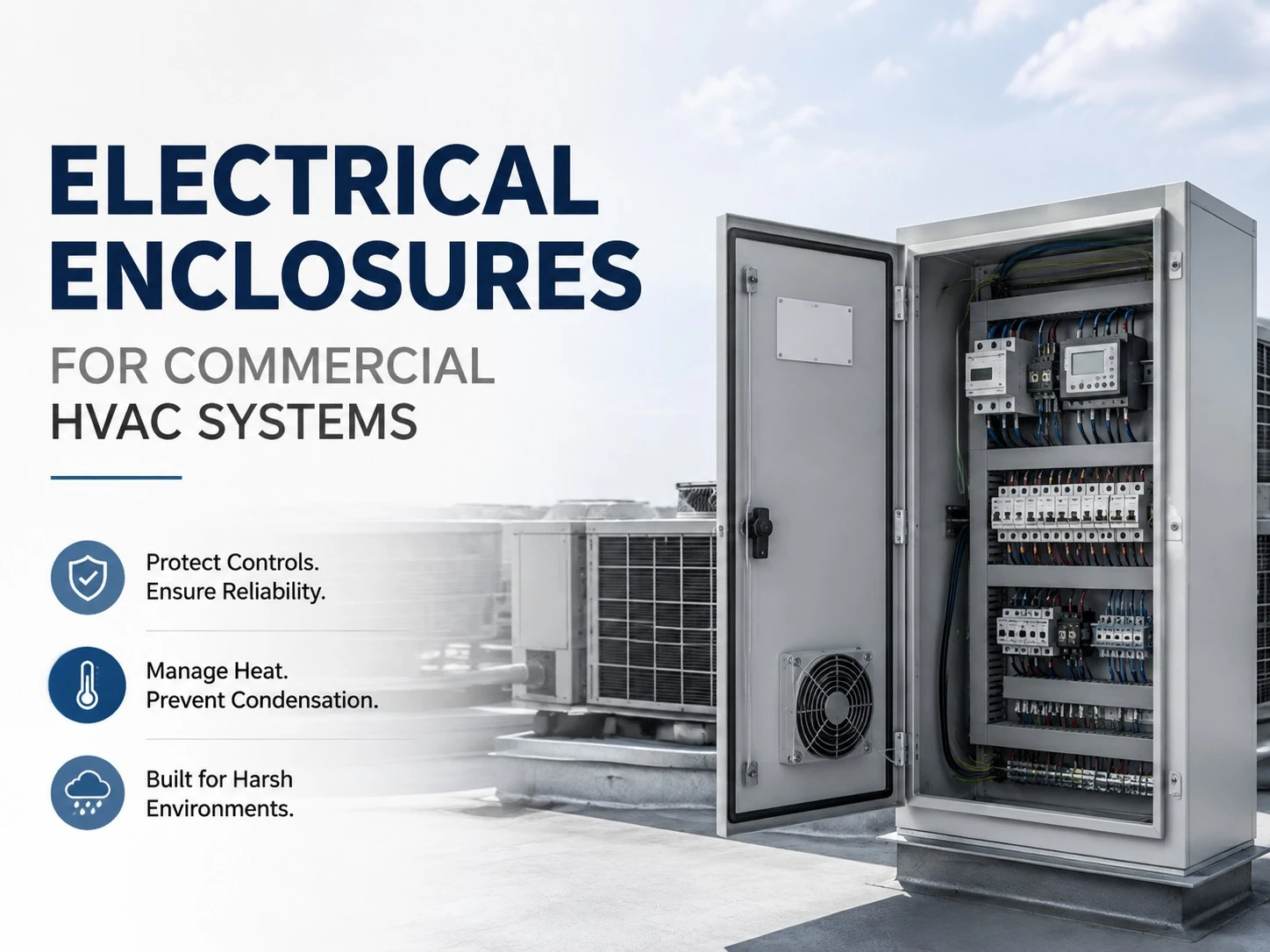
| Rooftop telecom equipment | Rain, sun, dust, and heat | NEMA 4 ou 4X |
| Coastal control cabinet | Salt, humidity, and corrosion | NEMA 4X with a suitable corrosion-resistant material |
| Temporary submersion risk | Flooding or temporary immersion | NEMA 6 or an application-specific IP rating |
The final choice should also account for local requirements, customer specifications, equipment temperature limits, and the conditions under which the rating was tested.
Common Selection Mistakes
Avoid these shortcuts:
- Choosing by building location instead of evaluating actual exposure
- Treating a harsh indoor area or sheltered outdoor location as a clean, dry environment
- Treating NEMA Types as a simple performance ladder or as exact equivalents to IP ratings
- Assuming IP65 confirms long-term UV and corrosion resistance
- Assuming stainless steel automatically provides NEMA 4X protection
- Adding holes, fans, or windows without verifying the finished enclosure rating
- Ignoring solar heat, condensation, maintenance access, and total service-life cost
Questions fréquemment posées
Can an Outdoor Electronics Enclosure Be Used Indoors?
Yes. An outdoor-rated enclosure can generally be installed indoors when its size, material, thermal performance, and certification suit the application. However, it may cost more than necessary, and its tighter sealing may make internal heat more difficult to remove.
Can an Indoor Enclosure Be Installed Under a Roof or Canopy?
Not automatically. A canopy may reduce direct rain, but humidity, wind-driven moisture, condensation, insects, salt, and temperature cycling may remain. Treat the location as sheltered outdoor exposure rather than a clean indoor room.
Is IP65 Enough for Outdoor Electronics?
IP65 confirms dust-tight construction and protection against water jets under defined test conditions. It does not by itself confirm resistance to long-term UV exposure, corrosion, gasket aging, or extreme temperatures. Review the complete enclosure and material specification.
What Is the Difference Between NEMA 3R, 4, and 4X?
NEMA 3R mainly addresses rain, sleet, and external ice formation. NEMA 4 adds protection against windblown dust, splashing, and hose-directed water. NEMA 4X adds an additional level of corrosion protection.
What Is the Best Material for an Outdoor Electronics Enclosure?
There is no universal best material. Coated steel can suit moderate conditions, aluminum reduces weight, UV-stable polycarbonate provides a nonmetallic option, and stainless steel or fiberglass can perform well in corrosive environments. The best choice depends on the exact exposure.
Do Outdoor Electronics Enclosures Need Ventilation?
Only when the heat load and operating conditions require it. Low-power equipment may cool through the enclosure walls. Higher heat loads may require fans, heat exchangers, or air conditioning. Avoid bringing outside air into the enclosure when it contains damaging dust, salt, oil, or chemicals.
Is NEMA 4X Always Better Than NEMA 12?
No. NEMA 4X is designed for wet and corrosive indoor or outdoor conditions. NEMA 12 is intended for indoor dust and dripping noncorrosive liquids. NEMA 12 may be the more practical and economical choice for a dry industrial interior.
Conclusion
Indoor and outdoor electronics enclosures differ mainly in the conditions they are designed to withstand. Identify the real exposure first, then select the rating, material, thermal controls, and accessories as one system.
Eabel can help develop a boîtier électronique personnalisé around your required size, material, openings, mounting method, and environmental conditions.



 FR
FR  EN
EN  ES
ES  AR
AR  JA
JA  KO
KO  RU
RU  DE
DE  PT
PT  IT
IT  ZH
ZH  TH
TH  VI
VI  HI
HI  MS
MS 