

1. Start with the Enclosure Working Environment
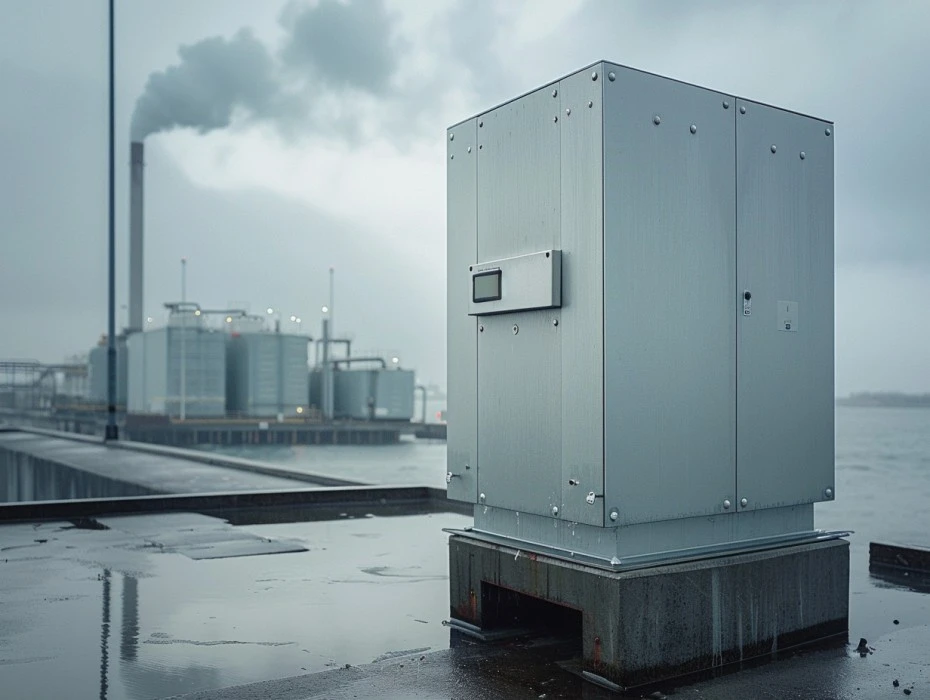
Before choosing a coating, first define where the enclosure will be installed. A coating that works well in a clean indoor electrical room may fail quickly in a coastal, outdoor, or chemical environment.
Outdoor electrical cabinets face rain, sunlight, dust, and temperature changes. Coastal enclosures face salt spray and high corrosion risk. Chemical plants may expose the surface to vapors, oils, solvents, or cleaning agents.
You should check these points before ordering:
- ¿El cerramiento se instalará en el interior o en el exterior?
- Will it face direct sunlight, rain, humidity, or salt spray?
- Are chemicals, oil, or cleaning agents present?
- Is corrosion resistance more important than appearance?
- How many years should the coating last?
- Are there NEMA, IP, or project inspection requirements?
For simple indoor use, a standard powder coated electrical enclosure may be enough. For outdoor, coastal, washdown, or heavy industrial sites, you may need a stronger anti-corrosion coating system.
2. Compare Common Coatings for Electrical Enclosures
Different coatings offer different protection levels. The goal is not to choose the most expensive finish, but to choose the coating for electrical enclosures that fits the real site conditions.
Polyester Powder Coating
Polyester powder coating is a common choice for outdoor electrical cabinets, distribution boxes, and general industrial enclosures.
It offers good UV resistance, weather durability, color retention, and cost efficiency. This makes it suitable for many outdoor electrical enclosure coating applications.
However, polyester may not be the strongest option for aggressive chemical exposure. If the enclosure will be used in a chemical plant, you may need a special protective system.
Epoxy Powder Coating
Epoxy powder coating is valued for strong adhesion, corrosion resistance, and chemical resistance. It is often used for indoor industrial enclosures or sites where chemical protection is important.
It bonds well to properly prepared metal surfaces and can provide reliable protection in many industrial environments.
The main limitation is UV resistance. Epoxy powder coating is usually not preferred as the final exposed topcoat for long-term direct sunlight because it may chalk, fade, or lose surface quality.
Hybrid Powder Coating
Hybrid powder coating combines some epoxy and polyester properties. It is often used for indoor electrical cabinets, control panels, commercial equipment, and general-purpose applications.
It provides a smooth finish, good adhesion, and balanced cost performance. But it is usually not the best choice for harsh outdoor, coastal, or chemical environments.
Specialty Coatings
Some projects need more than standard powder coating. Specialty coatings may be used when the enclosure faces extreme UV exposure, salt spray, cleaning agents, or aggressive chemicals.
Common options include polyurethane coatings, fluoropolymer coatings, e-coating, primer systems, or other custom coating systems.
For demanding projects, do not select by coating name alone. Ask which coating system is suitable for the actual environment, expected service life, and maintenance conditions.

3. Powder Coating vs Liquid Coating
Powder coating is widely used for electrical enclosures because it provides a durable, consistent, and efficient finish. It is especially suitable for standard metal enclosures and batch production.
Liquid coating may still be useful for special shapes, oversized structures, field repair, or unique performance requirements.
If the enclosure may need touch-up after installation, the repair method should also influence your coating choice.
| Factor | Recubrimiento en polvo | Liquid Coating |
|---|---|---|
| Durabilidad | Strong and consistent | Depends on coating system |
| Eficiencia de producción | Better for batch production | Más flexible |
| Thickness control | More uniform | Easier to adjust |
| Repair | More difficult to touch up | Easier to repair |
| Mejor uso | Standard metal enclosures | Special shapes or field repair |
For most standard electrical enclosures, powder coating is usually the practical choice. It gives a clean surface, stable production quality, and good long-term durability.
For special projects, custom structures, or on-site repair needs, liquid coating may be considered. The final choice should match the enclosure design and operating environment.
4. Look at the Complete Coating System
Many project teams only ask whether the enclosure is “powder coated.” That question is not enough.
Two enclosures may both use powder coating, but their service life can be very different. The real performance depends on the complete coating system, not only the topcoat.
A strong coating system usually includes:
- Cleaning and degreasing
- Surface pretreatment
- Primer or anti-corrosion layer when needed
- Powder or liquid topcoat
- Proper curing
- Thickness inspection
- Adhesion testing
Surface preparation is critical. Oil, dust, rust, or other contaminants can reduce coating adhesion. If the surface is not prepared correctly, even a high-quality coating may peel, blister, or allow rust to form underneath.
For more technical context, surface preparation for coating performance is widely recognized as a key part of long-term coating durability.
Pretreatment also affects durability. Phosphate treatment or other conversion treatments can improve adhesion and corrosion resistance.
For harsh environments, the manufacturer may add a primer or anti-corrosion layer before the final topcoat. This is especially useful for outdoor, coastal, and high-humidity applications.
Curing is another key step. If the coating is not cured at the correct temperature and time, it may not reach the expected hardness, adhesion, or surface strength.
Coating failures often start at weak points, not large flat surfaces. Folded edges, weld seams, cutouts, screw holes, and gasket contact areas need special attention.
For custom projects, coating selection should be reviewed together with enclosure material, sealing design, cutouts, welded areas, and inspection needs. Eabel provides cajas electricas a la medida for indoor, outdoor, industrial, and harsh-environment applications, helping you match the enclosure structure and surface protection to real site conditions.

5. Match Coating Choice to Real Applications
A low-cost coating may work in a dry indoor room, but it may fail quickly near salt air, chemicals, or constant moisture.
Use this table as a quick guide when comparing coating options.
| Solicitud | Better Coating Choice | Main Concern |
|---|---|---|
| sala eléctrica interior | Epoxy or hybrid powder coating | Basic protection and cost control |
| Outdoor cabinet | Polyester powder coating | UV, rain, and temperature changes |
| Zona costera | Enhanced anti-corrosion coating system | Salt spray and rust prevention |
| Planta química | Epoxy-based or specialty coating system | Chemical resistance |
| Food or washdown area | Stainless steel or special coating system | Cleaning agents, sealing, hygiene |
| High UV location | Super-durable polyester or fluoropolymer | Fading and chalking |
For outdoor electrical cabinets, UV resistance and weather durability are important. Polyester powder coating is often a practical option.
For coastal or marine environments, salt spray can attack cut edges, screws, welded areas, and weak coating points. You may need stainless steel, better pretreatment, primer systems, or corrosion resistant electrical enclosure coating.
Al comparar Cerramientos de acero al carbono vs. de acero inoxidable, consider both the base material and the coating system. Material choice can strongly affect long-term corrosion resistance.
For chemical plants, chemical resistance and adhesion become more important. Epoxy-based or specialty systems may perform better, depending on the chemicals involved.
For food, pharmaceutical, or washdown areas, coating is only one part of the solution. Stainless steel material, smooth surface finish, gasket design, sealing quality, and cleaning chemical resistance are often more important.
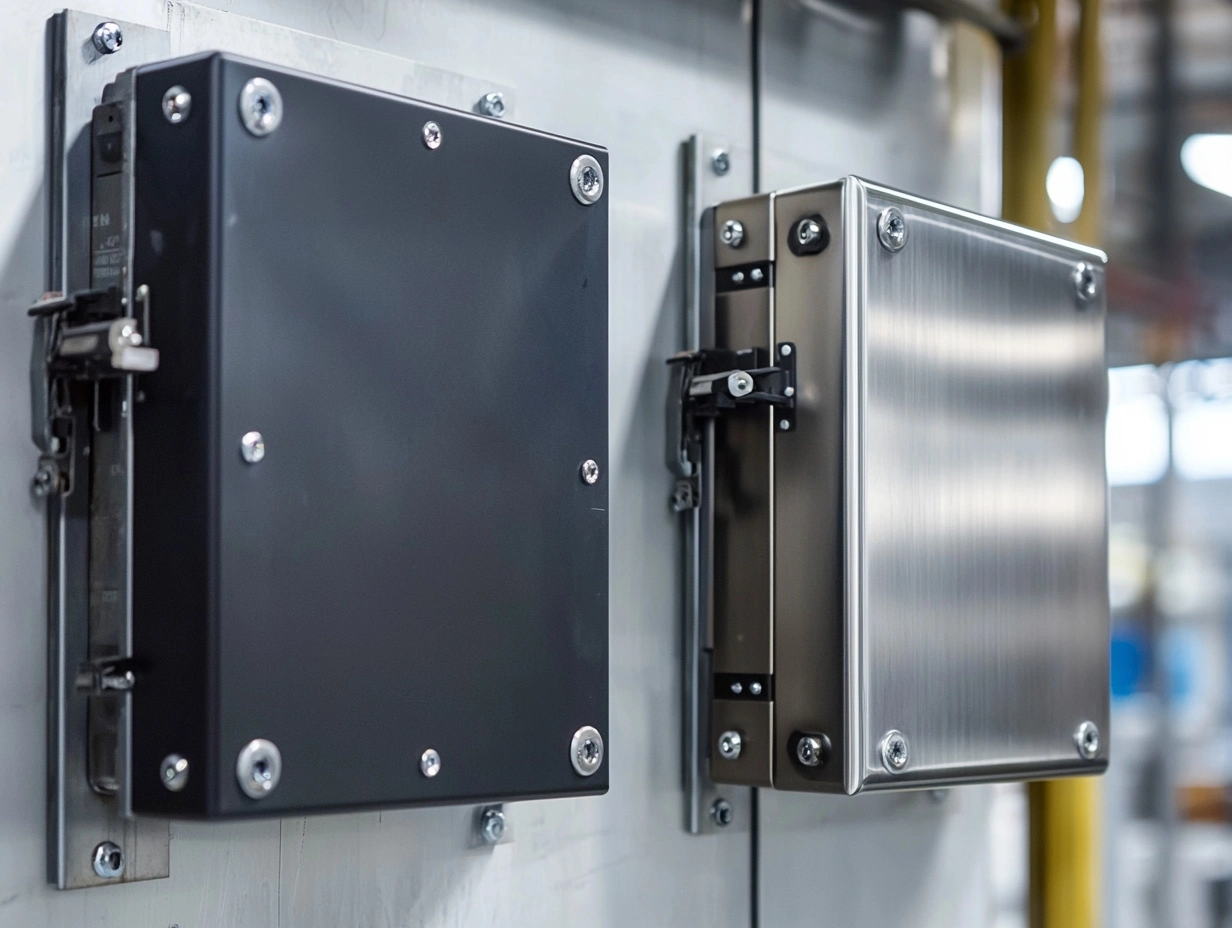
6. Understand NEMA, IP, and ISO Standards
Standards help define protection needs, but coating should not be confused with the full enclosure rating.
ISO 12944 protective paint systems can be used as a reference for corrosion environment classification and protective coating system selection, especially for steel structures and steel enclosure projects.
It helps you understand whether the environment is mild, industrial, coastal, or highly corrosive. This can guide coating durability expectations.
NEMA ratings describe enclosure protection against environmental conditions. You can also review Tipos de gabinetes NEMA when defining protection requirements for indoor, outdoor, washdown, or corrosive applications.
For example, NEMA 1 is for general indoor protection. NEMA 3R is often used for outdoor rain protection.
NEMA 4 is designed for indoor or outdoor use where protection against dust, rain, splashing water, and hose-directed water is required.
NEMA 4X adds corrosion resistance to the protection scope. However, NEMA 4X corrosion-resistant enclosures are not achieved by coating alone.
The final rating depends on the enclosure material, structure, gasket, hardware, sealing, and testing.
IP ratings define protection against dust and water ingress. Common examples include IP54, IP65, IP66, and IP67.
Puedes utilizar Clasificaciones IP IEC as a reference when comparing dust and water ingress protection levels.
Coating does not create an IP rating. But a good coating helps maintain enclosure durability in real operating environments.
For long-term outdoor use, you should consider both ingress protection and corrosion protection together. For a broader standards comparison, see this guide to NEMA, IP, and UL enclosure standards.

7. Avoid Common Coating Selection Mistakes
Using indoor coating outdoors is a common mistake. It may cause fading, chalking, and shorter coating life. For outdoor cabinets, choose UV-resistant polyester or a specialty outdoor coating system.
Ignoring surface pretreatment is another major risk. Poor cleaning or pretreatment can lead to weak adhesion, peeling, blistering, and rust under the coating.
Choosing only by the lowest price can also create hidden costs. A cheaper coating may save money at first, but it can increase maintenance, repair, downtime, and replacement cost later.
Do not assume that powder coating automatically means NEMA 4X. For coastal or corrosive sites, you still need to confirm the material, coating system, hardware, gasket, sealing, and test requirements.
8. Ask the Manufacturer Before Ordering
A reliable electrical enclosure manufacturer should help you choose a full protection solution, not just apply paint.
Before placing an order, ask these questions:
- What coating do you recommend for my working environment?
- What surface pretreatment process do you use?
- Can you provide coating thickness inspection?
- Can you support adhesion or salt spray testing?
- Is the coating suitable for outdoor UV exposure?
- How do you protect edges, welds, cutouts, and gasket contact areas?
- Can you customize color, texture, and coating performance?
- Do you understand NEMA/IP requirements for my project?
The question about edges, welds, cutouts, and gasket contact areas is very important. These weak points often face moisture, corrosion, and mechanical wear before large flat surfaces fail.
Inspection records can also reduce project risk. Coating thickness, adhesion, surface appearance, curing quality, and corrosion testing are useful checks for custom electrical enclosure coating projects.
9. Choose Coating by Lifetime Cost
A better coating system may increase the initial enclosure cost, but it can reduce long-term problems.
It may help lower corrosion repair, coating touch-up, maintenance frequency, equipment downtime, replacement cost, and warranty disputes.
The cheapest coating is not always the most economical choice. For indoor dry environments, a standard finish may be enough.
For outdoor, coastal, chemical, or industrial applications, a stronger coating system often provides better long-term value.
You should consider the full cost of ownership. This includes purchase price, maintenance, repair, downtime, service life, and replacement risk.

FAQs About Electrical Enclosure Coating
Conclusión

Choosing the best coating for electrical enclosures means balancing environment, corrosion risk, coating type, standards, and lifetime cost. The right coating system helps protect electrical equipment, reduce maintenance, and extend enclosure service life.
If you need custom electrical enclosures for outdoor, industrial, coastal, or harsh environments, our team can help recommend the right material and coating system for your project. Contáctenos to discuss your enclosure requirements and get a suitable protection solution.
Lectura relacionada
Prevención de la oxidación en cajas eléctricas: estrategias clave
Limpieza y mantenimiento de armarios eléctricos: guía de mejores prácticas
Explicación de la vida útil de los gabinetes eléctricos: qué afecta la durabilidad y la vida útil
Climate Effects on Electrical Enclosures
Selección de los materiales adecuados para los cerramientos industriales



 ES
ES  EN
EN  FR
FR  AR
AR  JA
JA  KO
KO  RU
RU  DE
DE  PT
PT  IT
IT  ZH
ZH  TH
TH  VI
VI  HI
HI  MS
MS 