

¿Qué es una carcasa de acero inoxidable?
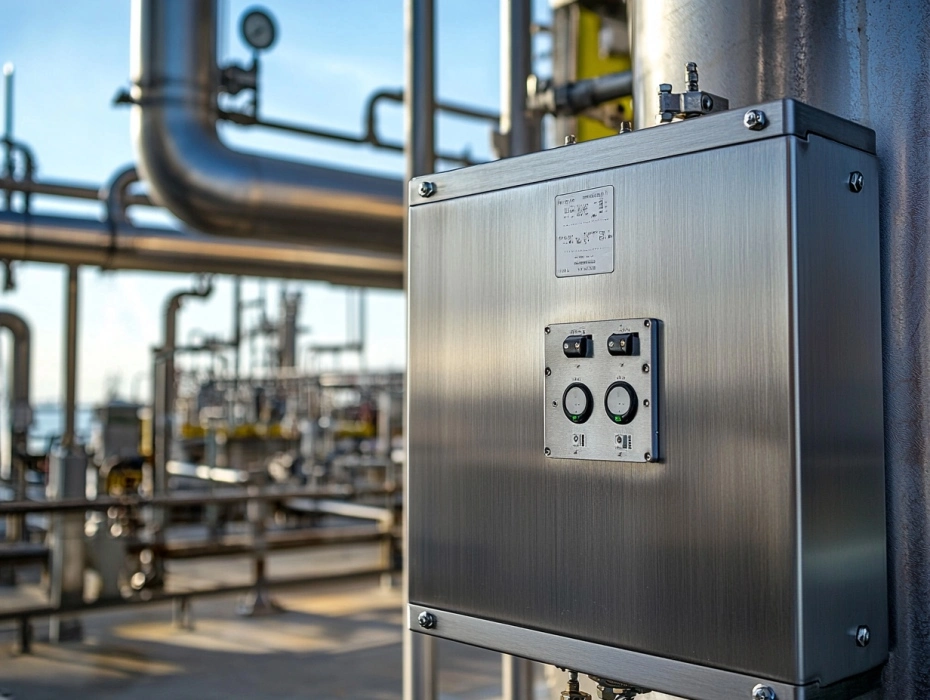
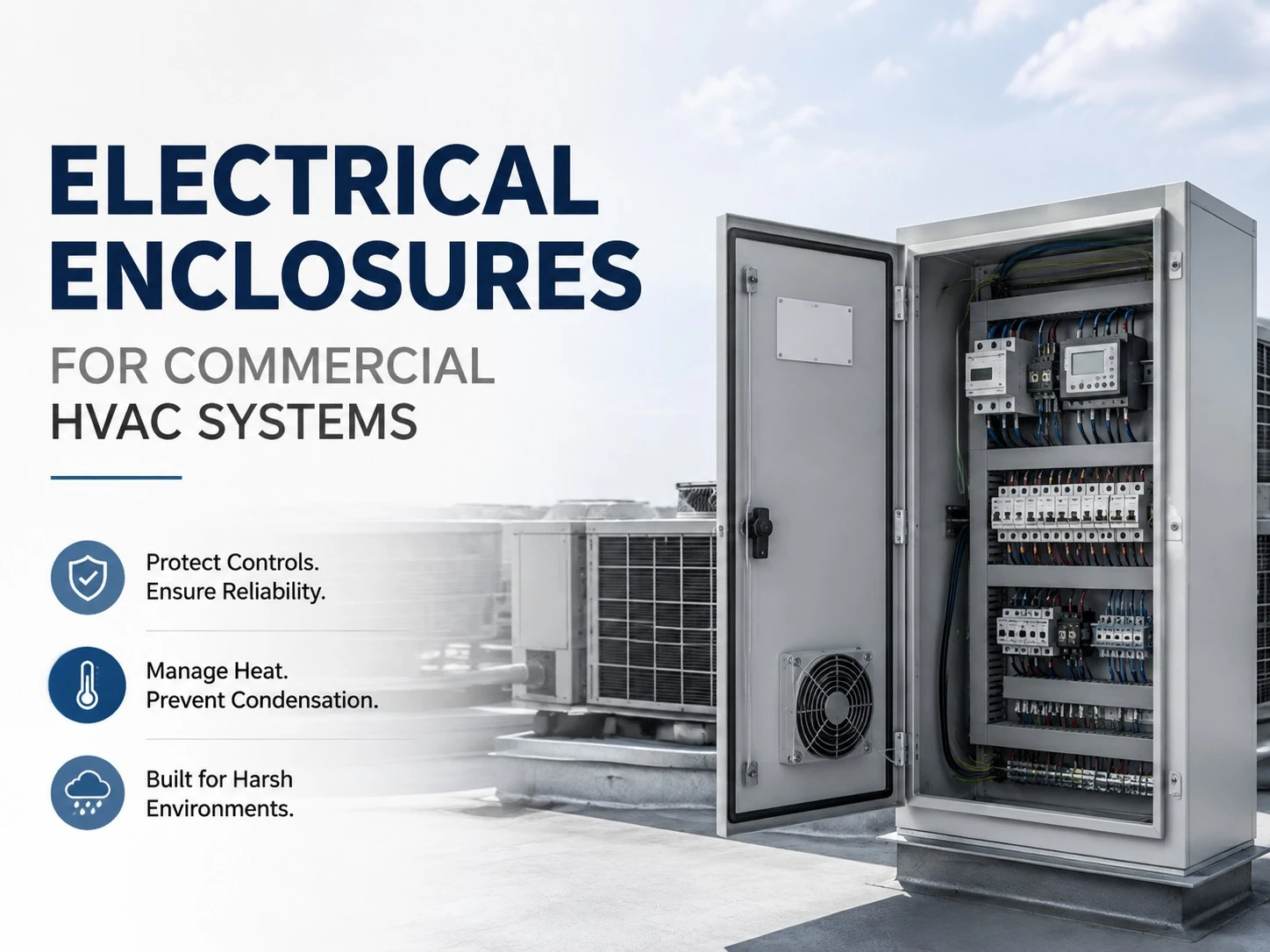
A stainless steel enclosure is a protective cabinet or box used to house electrical and electronic components. It helps protect internal parts from moisture, dust, corrosion, impact, cleaning chemicals, and outdoor conditions.
You can find stainless steel electrical enclosures in food and beverage plants, pharmaceutical factories, water treatment facilities, chemical processing sites, marine projects, outdoor power systems, and industrial automation lines.
These applications often need more than a basic electrical box. They need a durable, corrosion-resistant enclosure that can keep equipment safe and reduce maintenance risk over time.
Pros of Stainless Steel Enclosures
Corrosion and Weather Resistance
Corrosion resistance is one of the biggest advantages of stainless steel enclosures. Stainless steel contains chromium, which helps form a protective surface layer against rust and oxidation. The Australian Stainless Steel Development Association explains that this passive film is central to stainless steel corrosion resistance.
This makes it a strong choice for rain, humidity, water spray, salt air, cleaning fluids, and industrial pollution. Compared with painted mild steel, stainless steel can offer better protection when the surface faces wear or scratches.
If you are comparing steel options for different site conditions, this Cerramientos de acero al carbono vs. de acero inoxidable guide can help you understand where stainless steel provides stronger long-term value.
For outdoor stainless steel enclosures, the material is only one part of the decision. You still need the correct gasket, hinge, lock, door design, and NEMA or IP rating to protect against dust and water.
Washdown and Hygienic Performance
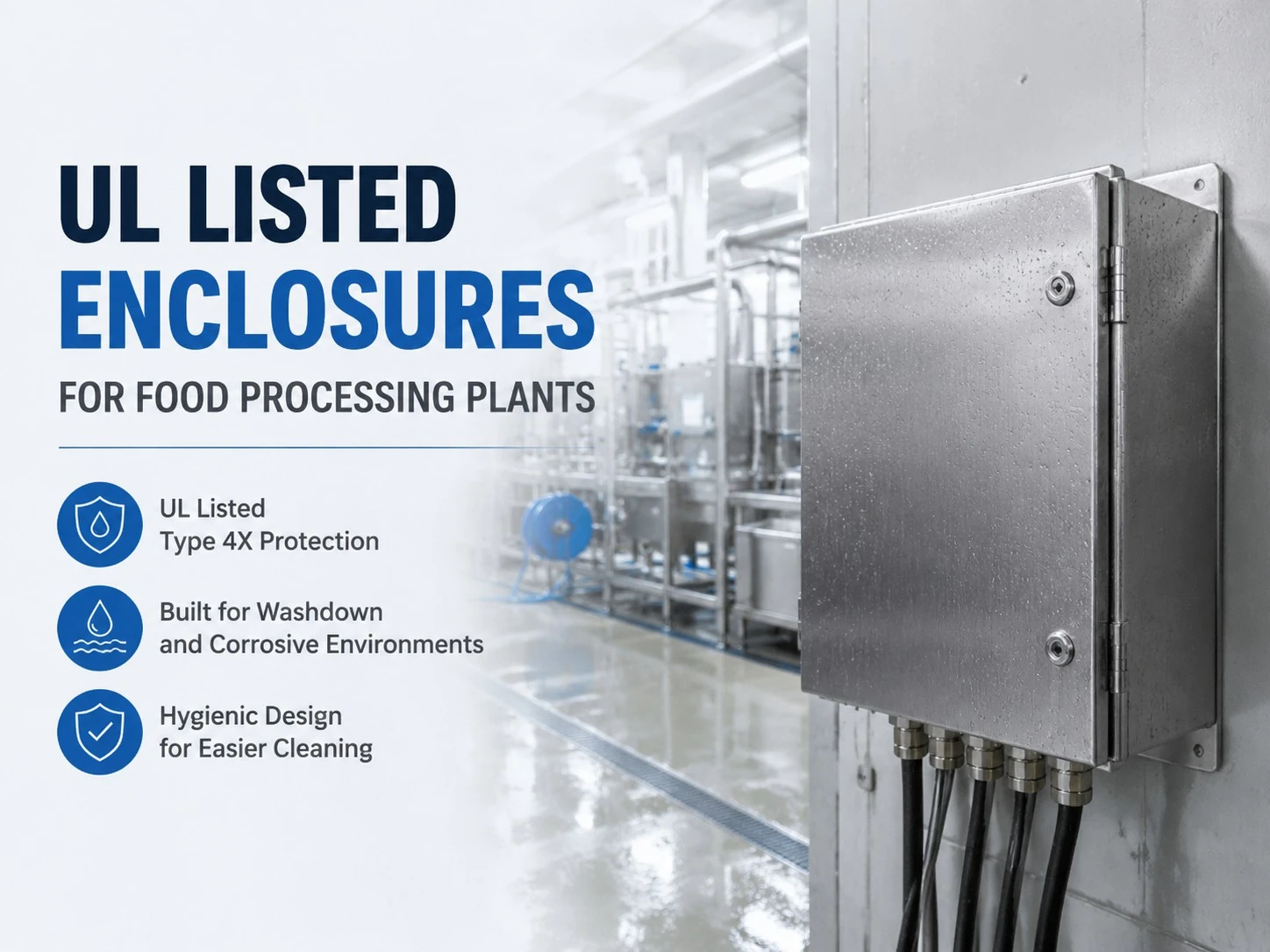
Stainless steel is widely used in food, beverage, pharmaceutical, and clean production areas. Its smooth surface is easier to clean and better suited for frequent washdown than many low-cost enclosure materials.
If your project involves dairy processing, beverage filling, meat processing, packaging lines, or cleanroom equipment, a stainless steel enclosure can help support hygiene and long-term durability.

Long Service Life and Impact Protection
A well-selected stainless steel enclosure can last for many years in demanding sites. This matters because enclosure failure can damage internal electrical parts and cause downtime, repair costs, or safety risks.
Stainless steel also provides strong impact protection. It is suitable for production lines, utilities, public areas, and industrial sites where the cabinet may face vibration, tools, contact, or daily wear.
Clean Industrial Appearance
Stainless steel has a clean and professional look. This is useful for visible installations in laboratories, commercial buildings, public facilities, food factories, and high-end industrial spaces.
With proper selection and care, the cabinet can keep a premium appearance while still protecting sensitive electrical equipment.
Cons of Stainless Steel Enclosures
Mayor costo inicial
Stainless steel usually has a higher upfront cost than mild steel, aluminum, fiberglass, or plastic. This can be a concern when the project budget is tight.
However, the cheapest enclosure is not always the lowest-cost option over time. In wet, coastal, chemical, or washdown areas, a lower-cost cabinet may rust or fail earlier.
If enclosure failure could cause production downtime, safety issues, or frequent replacement, stainless steel may offer better lifecycle value.
Heavier Weight
Stainless steel is heavier than aluminum, fiberglass, or plastic. This can affect shipping cost, wall mounting, lifting method, and installation labor.
For small electrical boxes, weight may not be a major issue. For large stainless steel cabinets, you should confirm wall strength, floor support, brackets, and handling equipment before installation.

304 Stainless Steel Is Not Ideal for Salt or Chlorides
Stainless steel is corrosion-resistant, but it is not completely rust-proof. This is a common mistake in enclosure selection.
304 stainless steel works well for many indoor and mild outdoor applications. But it may not be the best choice for coastal areas, marine projects, salt spray, chlorides, or strong cleaning chemicals.
For these environments, 316 stainless steel is usually safer because it offers better resistance to pitting and chloride-related corrosion. ASSDA also notes that grade 316 has better resistance to pitting and crevice corrosion in warm chloride environments.
Harder Field Modification and Heat Control
Stainless steel is harder to cut, drill, or modify on site than mild steel or plastic. If cable entries, gland plates, vents, or mounting holes are missed, field work can become slow and costly.
It is better to confirm drawings, cutouts, lock type, mounting plate, and internal layout before production. This is especially important for custom stainless steel enclosures.
Heat also needs attention. A sealed cabinet can protect against water but trap heat inside. Outdoor or high-power applications may need fans, filters, heat exchangers, sun shields, or air conditioners.
Cajas de acero inoxidable 304 vs 316
Choosing between 304 and 316 stainless steel is one of the most important decisions. Both are common, but they are designed for different levels of corrosion risk.
| Calificación | Mejor para | Ventaja principal | Main Limitation |
|---|---|---|---|
| Acero inoxidable 304 | General industrial and mild outdoor use | Good corrosion resistance at a lower cost | Not ideal for salt, marine, or strong chemical exposure |
| Acero inoxidable 316 | Coastal, marine, chemical, washdown, and chloride-heavy sites | Better resistance to pitting and harsh corrosion | Costo más alto |
Choose a 304 stainless steel enclosure if your site is indoors, mildly outdoor, or not exposed to salt, chlorides, or aggressive chemicals.
Choose a 316 stainless steel enclosure for coastal areas, marine equipment, chemical plants, heavy washdown zones, or sites using strong cleaning agents.
For a deeper grade comparison, you can read this guide on Cajas de acero inoxidable 304 vs 316. It explains how environment, cost, and corrosion risk affect material selection.
For high-corrosion projects, the higher cost of 316 stainless steel is often easier to justify. It can help reduce early rust, surface damage, and cabinet replacement.
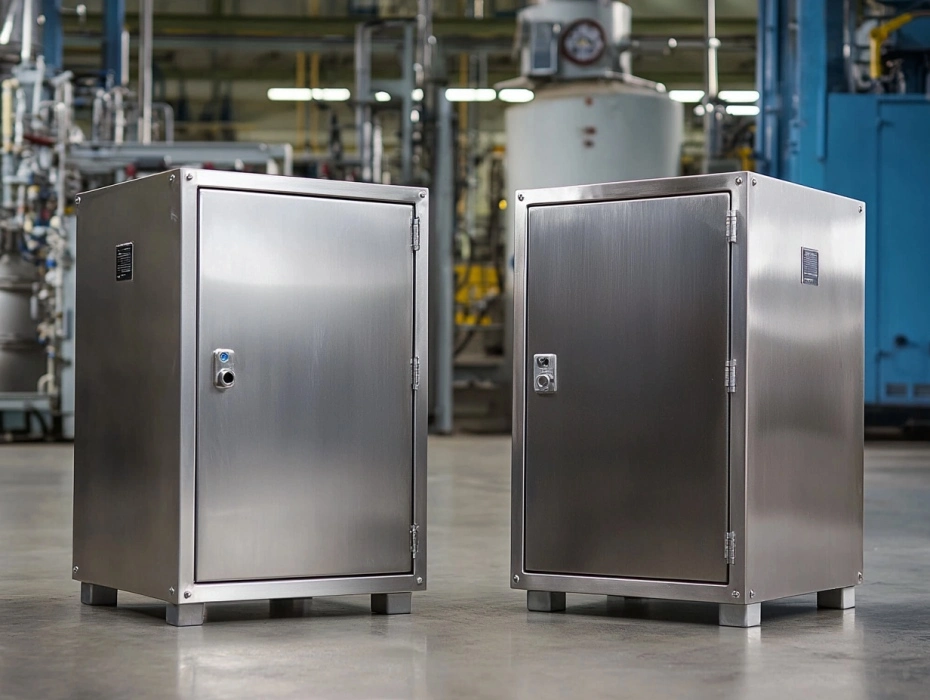
Stainless Steel vs Other Enclosure Materials
Stainless steel is not the only option. The best enclosure material depends on your environment, budget, weight limits, protection rating, and expected service life.
| Material | Best Strength | Main Weakness | Mejor uso |
|---|---|---|---|
| Acero inoxidable | Corrosion resistance, strength, washdown durability | Higher cost and weight | Outdoor, food, marine, chemical, and corrosive sites |
| Acero dulce | Lower cost and good strength | Needs coating to resist rust | Dry indoor control panels |
| Aluminio | Lightweight and corrosion-resistant | Menor resistencia al impacto que el acero. | Outdoor projects where weight matters |
| Fibra de vidrio | Non-metallic and corrosion-resistant | May not match metal strength | Chemical or non-conductive applications |
| Plastic or Polycarbonate | Light and low cost | Lower strength and heat resistance | Small light-duty electrical boxes |
If the enclosure will stay in a dry indoor room, mild steel may be enough. If low weight is the main requirement, aluminum may be a better fit.
If you are deciding between aluminum and stainless steel for outdoor use, this aluminum vs stainless steel outdoor enclosures comparison can help you review strength, weight, corrosion resistance, and thermal behavior.
If your project needs a corrosion resistant electrical enclosure with strong structure, washdown durability, and long outdoor service life, stainless steel is often the safer choice.
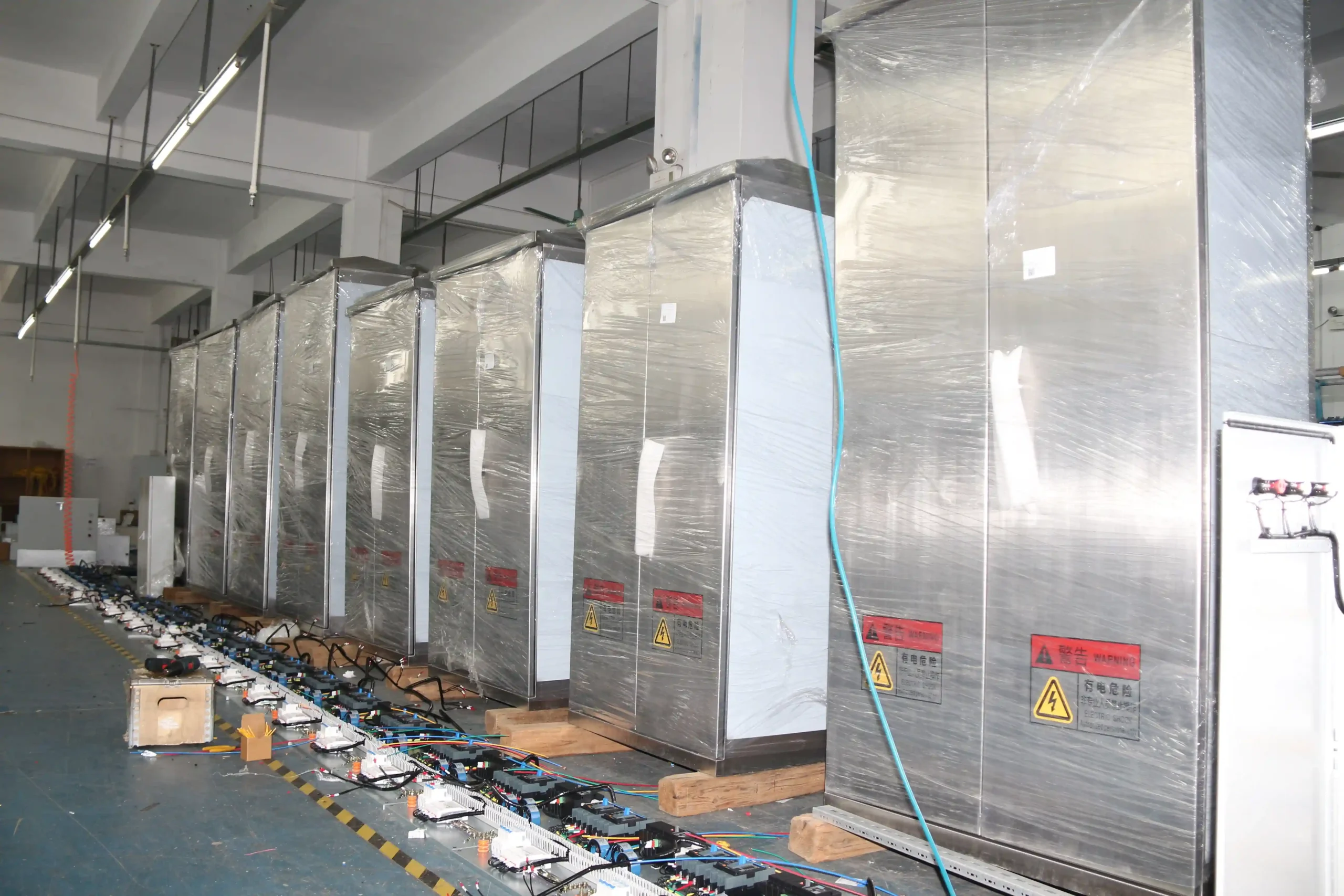
When Should You Choose Stainless Steel?
You should consider a stainless steel enclosure when the site has moisture, salt air, cleaning chemicals, industrial pollution, or strict hygiene requirements.
It is also a strong choice when cabinet failure could lead to expensive repairs, production delays, or safety risks.
Common best-fit applications include food processing equipment, outdoor power systems, pharmaceutical production, water treatment, chemical processing, marine projects, and industrial automation cabinets.
A NEMA 4X stainless steel enclosure is often preferred when you need water protection and corrosion resistance in washdown or outdoor environments. NEMA’s enclosure type guidance also describes Type 4X as suitable for indoor or outdoor use with protection against windblown dust, hose-directed water, and added corrosion protection.
Stainless steel may not be necessary for every project. If your cabinet is installed in a clean, dry indoor room with no washdown or corrosion risk, powder-coated mild steel can be a more cost-effective choice.
Cómo elegir la caja de acero inoxidable adecuada
Start with the working environment. Check whether the cabinet will face indoor use, outdoor weather, salt air, washdown cleaning, chemical exposure, dust, or high temperature.
Next, choose the right grade. Use 304 stainless steel for general industrial use. Use 316 stainless steel when corrosion risk is higher.
Then confirm the required NEMA or IP rating. These ratings help show how well the cabinet protects against dust, water, rain, hose-down, or other site conditions.
Also check the cabinet structure. Door sealing, gasket quality, hinge design, lock type, mounting plate, wall thickness, and gland plate design all affect real performance.
If your project needs a custom stainless steel enclosure, Eabel offers industrial electrical enclosures with options for material grade, size, cutouts, mounting plates, locks, and protection ratings. This can help you match the cabinet to the real installation environment instead of choosing only by standard size.
Before production, confirm the drawing carefully. Cable entries, cutouts, vents, mounting holes, and internal layouts are easier to handle at the factory than on site. For more planning details, this guide to cajas electricas a la medida explains how design, standards, and cost affect custom projects.
For outdoor or high-power systems, review thermal design early. The right cooling plan can help protect drives, power supplies, terminals, and control components.

Errores comunes al comprar que debes evitar
Many enclosure problems happen because the decision is based only on price, size, or material name. A better selection process can reduce later maintenance problems.
- Choosing 304 stainless steel for coastal, marine, or chloride-heavy sites.
- Assuming all stainless steel enclosures are completely rust-proof.
- Checking only the IP rating and ignoring corrosion resistance.
- Forgetting cabinet weight before wall or frame mounting.
- Ignoring heat buildup inside sealed outdoor electrical enclosures.
- Leaving too many cable entries or cutouts for field modification.
- Choosing the cheapest cabinet without checking gasket, hinge, lock, welding, and surface finish.
A small mistake in material grade, sealing, or layout can shorten enclosure life. It can also increase repair cost after installation.
Preguntas frecuentes sobre los gabinetes de acero inoxidable
Conclusión

Stainless steel enclosures are not always the lowest-cost option, but they are often the smarter long-term choice for wet, outdoor, hygienic, coastal, and corrosive environments.
They offer strong corrosion resistance, washdown performance, impact protection, and a clean industrial appearance. If your site only needs a basic indoor electrical box, stainless steel may not be necessary.
However, if your equipment must handle moisture, chemicals, salt air, frequent cleaning, or demanding industrial use, stainless steel can help reduce maintenance and replacement risk.
If you need help choosing between 304, 316, NEMA 4X, IP-rated, or custom stainless steel electrical enclosures, Contáctenos with your project environment, drawings, size, and protection requirements. Our team can help you choose a practical enclosure solution for your application.
Lectura relacionada
Guía de selección de materiales del gabinete
Cajas eléctricas lavables: selección y mejores prácticas
Prevención de la oxidación en cajas eléctricas: estrategias clave
Limpieza y mantenimiento de armarios eléctricos: guía de mejores prácticas
Selección de los materiales adecuados para los cerramientos industriales
Cómo las condiciones ambientales influyen en la elección del gabinete para montaje en pared



 ES
ES  EN
EN  FR
FR  AR
AR  JA
JA  KO
KO  RU
RU  DE
DE  PT
PT  IT
IT  ZH
ZH  TH
TH  VI
VI  HI
HI  MS
MS 