

Introduction
Electrical enclosures are essential for protecting sensitive equipment in tough environments. Whether it’s extreme heat, moisture, dust, or chemicals, these enclosures keep electrical systems safe and running smoothly. But not all enclosures are created equal. The right choice depends on the environment your equipment will face.
In this guide, we’ll explore the key factors that affect your choice of electrical enclosures, the materials that provide the best protection, and how to select enclosures that meet your specific needs.
Why Are Electrical Enclosures Important?

Electrical enclosures protect critical components from environmental threats like dust, water, and chemicals. Without the proper protection, electrical equipment can fail, leading to costly downtime and even safety hazards. Enclosures also help with cooling, ensuring that equipment runs at the right temperature.
Think of electrical enclosures as the shield around your valuable electrical systems. They prevent damage from external conditions, prolonging the life of your equipment and ensuring safe operation.
What Are the Key Factors to Consider When Choosing an Enclosure?
Selecting the right enclosure is not always straightforward. Several factors must be considered to ensure it will work well in your specific environment.

Environmental Exposure
Will your enclosure face extreme temperatures, moisture, or corrosive chemicals? This will determine the materials and the protection level you need. For example, coastal areas may need enclosures with high resistance to saltwater corrosion.
Mechanical Stress
How much physical stress will your enclosure face? If your equipment is in a place with frequent impacts or vibrations (like a factory floor), you’ll need an enclosure made from a tougher material, such as metal or reinforced fiberglass.
Size and Configuration
Ensure the enclosure is large enough to house your equipment but also compact enough to fit in its designated space. Also, think about ease of access for maintenance. A good enclosure design will allow you to easily reach your equipment without compromising protection.
Also Read: Electrical Enclosure Sizes: Comprehensive Guide to Choosing the Right Fit.
Materials for Harsh Environments
When it comes to choosing the right material for electrical enclosures in harsh environments, the material you select plays a critical role in ensuring the long-term durability and protection of your equipment.
Whether it’s extreme temperature fluctuations, exposure to moisture, or the presence of corrosive chemicals, the material needs to withstand these conditions without compromising on safety or performance.
Here’s a breakdown of the most common materials used in electrical enclosures and when each is best suited for specific environmental conditions.

Fiberglass-Reinforced Polyester (FRP)
Fiberglass-Reinforced Polyester (FRP) is a standout when it comes to corrosion resistance and UV stability. This material is commonly used in environments where exposure to chemicals and moisture is a concern.
Also Read: Fiberglass vs. Stainless Steel Enclosures: Which Is the Best Choice for Your Application?
Why Choose FRP?
- Corrosion Resistance: FRP enclosures are highly resistant to most chemicals, making them ideal for industries like chemical processing, pharmaceuticals, and even offshore oil rigs. These environments typically have a high risk of corrosion from saltwater, acids, or other harsh chemicals.
- UV Stability: The material also resists degradation from UV rays, which is crucial for outdoor enclosures exposed to sunlight. Unlike metals, which can rust and degrade over time, FRP maintains its strength and appearance even under harsh sunlight.
- Durability: These enclosures are resistant to impacts, so they’re well-suited for locations where physical damage is a concern, like manufacturing plants or warehouses.
Best for: Harsh, corrosive environments, outdoor installations, or areas with high chemical exposure.

Metal (Steel, Aluminum, Stainless Steel)
Metal enclosures are among the most common choices for protecting electrical equipment in a range of environments. Whether you choose steel, aluminum, or stainless steel, each metal has distinct properties that make it more suitable for certain conditions.
Also Read: Outdoor Metal Enclosure Choices: Your Guide.
Steel Enclosures
Steel enclosures are strong and provide excellent protection against physical impacts, which is why they are often used in heavy-duty industrial environments. However, steel is prone to corrosion when exposed to moisture, so protective coatings are essential to ensure longevity.
Why Choose Steel?
- Strength: Steel is tough and can handle significant impact, making it a great option for environments where enclosures might face vibrations or physical stress.
- Cost-effective: Steel tends to be more affordable than some other materials, making it a popular choice for budget-conscious projects.
- Coating Options: You can apply powder coatings or galvanization to make steel enclosures more corrosion-resistant, ideal for outdoor or wet environments.
Best for: Industrial applications, where strength and impact resistance are more critical than chemical resistance.

Aluminum Enclosures
Aluminum is lightweight and has better corrosion resistance than steel, which makes it a preferred choice for certain outdoor and marine applications. While it may not be as strong as steel, aluminum offers good protection and is easier to handle during installation.
Also Read: Outdoor Enclosures – Aluminum Vs Stainless Steel.
Why Choose Aluminum?
- Lightweight: Aluminum is easier to transport and install compared to steel, making it a cost-effective choice for large installations or projects requiring portability.
- Corrosion-resistant: Natural oxidation gives aluminum a protective layer, but for extreme conditions, additional coatings like anodization are often applied.
- Non-magnetic: Aluminum enclosures are often chosen for applications that need to avoid magnetic interference.
Best for: Outdoor electrical installations, telecommunication stations, and solar power setups where lightness and corrosion resistance are essential.

Stainless Steel Enclosures
If you’re looking for exceptional corrosion resistance, stainless steel is the top choice. This material stands up to everything from saltwater exposure to harsh chemicals.
Why Choose Stainless Steel?
- Top-tier Corrosion Resistance: Stainless steel is ideal for environments where exposure to saltwater, chlorides, or chemicals is constant, such as in marine environments or chemical processing plants.
- Aesthetic Appeal: It also looks great and is more resistant to scratches and dents, making it a good choice for places where the appearance of equipment matters.
Best for: Food processing, offshore environments, and industries exposed to highly corrosive materials.

Polycarbonate and Other Non-Metallic Materials
Polycarbonate is a clear, durable plastic known for its impact resistance and light weight. It’s often used in applications where you need to see the equipment inside the enclosure, such as in control panels or sensitive machinery. While it doesn’t offer the same level of chemical resistance as metals or FRP, it’s still a solid option for many environments.
Why Choose Polycarbonate?
- Impact Resistance: Polycarbonate enclosures are incredibly tough and can withstand substantial physical impacts, making them perfect for high-risk areas where enclosures might be dropped or subjected to rough handling.
- Transparency: With its clear nature, polycarbonate is often used in applications where visibility of the equipment is important, like control centers or monitoring stations.
- UV Stability: Polycarbonate also resists degradation from UV rays, making it a good choice for outdoor installations.
Best for: Applications where visibility is important and environments that require a high degree of impact resistance.
Environmental Ratings (NEMA, UL, IP)
When selecting an electrical enclosure for harsh environments, it’s not just about the material. It’s also about the environmental ratings that ensure the enclosure can protect your equipment effectively.
These ratings tell you how well an enclosure can withstand dust, water, chemicals, and even physical impacts.
In this section, we’ll cover the key ratings to consider: NEMA, UL, and IP. Understanding these ratings is essential for making an informed decision about the right enclosure for your needs.

NEMA Ratings
NEMA (National Electrical Manufacturers Association) ratings provide a standardized way to measure an enclosure’s ability to protect electrical equipment from various environmental factors.
Different NEMA ratings indicate how well the enclosure can shield against water, dust, corrosion, and even external mechanical impacts.
Here are the most common NEMA ratings that are relevant to harsh environments:
NEMA 4X: Maximum Protection
The NEMA 4X rating is one of the highest standards for sealing and corrosion resistance. It is designed for environments where enclosures are exposed to rain, splashes, and even hose-directed water.
Additionally, the 4X rating offers protection against corrosion from harsh chemicals and saltwater, making it an excellent choice for marine environments, chemical plants, and other places where exposure to moisture and corrosive elements is a concern.
- Key Features: Waterproof, corrosion-resistant, and dust-tight.
- Best for: Outdoor, marine, and chemical environments.
NEMA 12: Protection in Dusty or Industrial Environments
If your electrical equipment is located in a dusty or industrial environment, the NEMA 12 rating provides the ideal balance of protection.
This rating means the enclosure is dust-tight, can withstand dripping water, and can handle oil and coolant exposure.
NEMA 12 enclosures are commonly used in factories, manufacturing plants, and industrial settings where dust and moisture are prevalent.
- Key Features: Dust-tight, drip-proof, and oil-resistant.
- Best for: Factories, workshops, and machinery areas.
Also Read: NEMA 12 vs NEMA 4 Enclosures.
NEMA 13: Protection Against Oil and Dust
The NEMA 13 rating offers similar protection to NEMA 12, but with the added bonus of being oil-resistant.
This makes it ideal for environments where oil mist, oil splashes, and other liquids may come into contact with electrical enclosures.
NEMA 13 enclosures are often used in places like automotive workshops, food processing plants, or petroleum industries where oils and grease are present.
- Key Features: Oil-resistant, dust-tight, and splash-resistant.
- Best for: Industrial settings and machinery operations involving oil exposure.

UL Certifications
In addition to environmental protection, you also want to ensure that your electrical enclosure meets safety standards.
The UL (Underwriters Laboratories) certification is an important standard for electrical safety and indicates that the enclosure has undergone rigorous testing to ensure durability and safe operation in specific environments.
What is UL Certification?
A UL certified enclosure ensures that the product complies with the relevant safety standards for electrical equipment. For example, enclosures with a UL 508A listing are certified for industrial control panels, meaning they meet the safety requirements for installation in a factory or plant.
UL certifications cover a range of safety tests, including those for electrical hazards, temperature extremes, and exposure to chemicals or moisture. When selecting an enclosure, always check for UL markings to confirm that it meets the necessary standards for your application.
- Key Features: Ensures electrical safety, meets durability standards, and undergoes rigorous testing.
- Best for: Industrial applications, factories, control panels, and high-risk environments.

IP Ratings
IP (Ingress Protection) ratings are used worldwide to measure the dust and water resistance of enclosures. These ratings are defined by a two-digit number: the first digit represents dust protection, and the second digit represents water resistance.
What Do IP Ratings Mean?
- First Digit (Dust Protection): Ranges from 0 to 6, where 0 means no protection against dust and 6 means completely dust-tight.
- Second Digit (Water Protection): Ranges from 0 to 9, where 0 means no protection against water and 9 means the enclosure can withstand high-pressure water jets from any direction.
Some common IP ratings include:
- IP54: Dust-protected and protected against water splashes from any direction.
- IP66: Dust-tight and protected against powerful water jets.
- IP67: Dust-tight and protected against immersion in water up to 1 meter.
Why Choose IP Ratings?
IP ratings are especially important if your equipment will be exposed to both dust and water in harsh environments.
Whether you’re working in outdoor installations, mining operations, or food processing plants, these ratings help ensure that your enclosure will provide the necessary protection against the elements.
- Key Features: Dust-proof, water-resistant, and fully sealed.
- Best for: Outdoor, marine, or wet environments.
How to Select the Best Option for Your Needs
Choosing the right environmental rating depends on the specific conditions your electrical equipment will face. Here are some key considerations when selecting between NEMA, UL, and IP ratings:
Consider the Environment:
Will your enclosure be exposed to water, dust, chemicals, or extreme temperatures? For instance, a NEMA 4X enclosure is ideal for harsh, wet, and corrosive environments, while a NEMA 12 or NEMA 13 is better suited for dusty or oily settings.
Safety Requirements:
Does the enclosure need to meet specific safety standards? Look for UL certifications to ensure that your enclosure meets the necessary electrical safety and durability requirements for your application.
Environmental Exposure:
If your enclosure will be exposed to both dust and water, an IP rating will give you more detailed insight into the level of protection offered. A high IP rating ensures that your equipment stays safe in harsh, wet conditions.
Maintenance and Accessibility:
Choose a rating that matches your maintenance needs. If your enclosure needs to be accessed regularly, you may need a rating that allows for easy opening and maintenance while still offering adequate protection.
Sealing and Protection Systems
When it comes to electrical enclosures, keeping out moisture, dust, and chemicals is crucial. These elements can cause damage to your equipment and affect its performance. Sealing systems like gaskets and polyurethane materials prevent this from happening.
The right gaskets and sealing materials ensure your enclosures stay secure and protected in harsh environments.
In this section, we’ll look at different sealing technologies, including silicone and polyurethane. These materials are designed to keep your equipment safe, dry, and dust-free.

Importance of Gaskets and Polyurethane Sealing Systems
A gasket is a vital part of any enclosure. It prevents moisture, dust, and other elements from entering. The gasket forms a tight seal between the enclosure’s lid and body, ensuring long-lasting protection.
Polyurethane sealing systems are one of the most durable options. They offer flexibility and are resistant to temperature extremes, UV radiation, and abrasion. These qualities make them great for outdoor and industrial applications.
- Key Features: Flexible, long-lasting, and resistant to temperature extremes and UV degradation.
- Best for: Outdoor enclosures, marine environments, and harsh industrial settings.
Polyurethane’s abrasion resistance also makes it ideal for enclosures that experience heavy wear. Whether in outdoor or industrial environments, it keeps equipment protected even with constant exposure to tough conditions.
Silicone Gaskets: A Popular Material Choice
Silicone is another widely used material for gaskets. It’s highly durable and can withstand extreme temperatures. Its flexibility and resistance to pressure make it a great choice for thermal stability in electrical enclosures.
Silicone can resist high heat (up to 500°F) and maintain flexibility. This makes it useful in environments with temperature fluctuations, such as power plants or manufacturing facilities. It also resists UV rays and ozone for extended durability.
- Key Features: Heat-resistant, long-lasting, and UV-resistant.
- Best for: High-temperature environments, food processing, and pharmaceutical industries.
Silicone’s ability to withstand temperature extremes without losing its shape ensures a tight seal even in the toughest conditions. This durability makes it ideal for industries where thermal stability is a must.
Innovative Sealing Technologies for Extreme Conditions
Recent advancements in sealing technology offer better performance in extreme environments. Smart seals, for example, can monitor the seal’s condition and alert you when something is wrong. This adds an extra layer of protection for your enclosures.
Smart seals use built-in sensors to detect when moisture or dust penetrates the enclosure. This real-time monitoring helps prevent damage before it occurs, ensuring the integrity of your equipment. These seals are perfect for mission-critical environments.
- Key Features: Real-time monitoring, self-diagnostics, and automated alerts.
- Best for: Critical systems that require continuous protection.
Nanotechnology in seals is another exciting innovation. This technology makes seals incredibly strong and abrasion-resistant. It’s perfect for environments where chemical exposure or heavy abrasion is common.
- Key Features: Super-strong, abrasion-resistant, and chemical-resistant.
- Best for: Chemical plants, mining operations, and heavy-duty machinery.
Why Sealing Systems Matter for Harsh Environments
A good sealing system ensures that your equipment remains protected in harsh environments. Whether it’s extreme temperatures, high humidity, or exposure to chemicals, sealing systems stop moisture and dust from entering your enclosures. Without them, your equipment could suffer damage or short-circuits.
Investing in a high-quality sealing solution makes sure your enclosures remain secure over time. It provides protection against corrosion, wear, and environmental damage. Whether you’re in a marine, industrial, or outdoor setting, sealing systems help maintain the integrity of your equipment.
Thermal Management for Electrical Enclosures
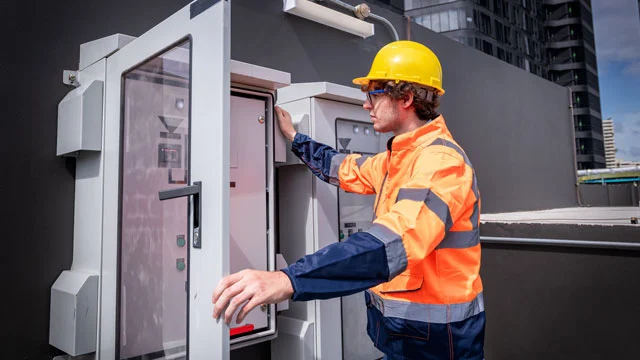
Managing internal temperatures in electrical enclosures is crucial to prevent overheating. Overheating can cause component failure and disrupt operations. Proper thermal management extends the lifespan of sensitive electronics.
Why Thermal Management Matters
Electronics generate heat, and if not managed, this can lead to malfunction. Overheated components wear out faster, causing failures and reduced performance. Keeping temperatures in check is essential for reliable operation.
Solutions for Effective Thermal Management
Ventilation uses natural airflow to cool enclosures by expelling hot air. For more controlled environments, air conditioners provide active cooling. In industrial settings, heat exchangers manage temperature without exposing sensitive components to external conditions.
Also Read: Air Conditioners for Electrical Cabinets: A Comprehensive Guide.
Managing Internal Temperatures to Extend Equipment Lifespan
Proper cooling reduces thermal stress, helping components last longer. Preventing overheating means less wear and tear on your equipment. The longer your electronics stay cool, the less often you’ll need to replace or repair them.
Real-World Applications of Thermal Management
In data centers, cooling systems keep servers running smoothly. Manufacturing plants rely on ventilation and heat exchangers to prevent equipment breakdowns. In outdoor enclosures, cooling systems protect equipment from extreme heat.
Chemical and UV Resistance
If your electrical enclosures are exposed to harsh environments like chemical plants or outdoor settings, chemical resistance and UV protection are essential. These elements can damage the enclosure and its components, compromising the safety and performance of your equipment.
Enclosures need to withstand harsh chemicals, extreme UV radiation, and weathering to ensure their longevity and effectiveness. Whether you’re in a coastal area, industrial plant, or wastewater treatment facility, protecting your electrical systems from environmental wear and tear is crucial.

Why UV and Chemical Resistance Matter
In chemical plants or outdoor settings, enclosures are regularly exposed to corrosive chemicals and sunlight. Over time, exposure to chemicals can degrade materials, causing cracks or leaks, while prolonged exposure to the sun’s UV rays can cause fading, brittleness, or even structural failure.
The impact of chemical exposure is severe. Chemicals can seep into an enclosure and corrode the internal components, leading to malfunction or total failure. Similarly, UV rays can break down the integrity of materials, causing them to become fragile and less durable.
That’s why resistance to UV and chemicals is key for any electrical enclosure that faces the elements. Without these protective qualities, the enclosure may deteriorate faster, leading to costly repairs or replacements.
Materials That Provide Chemical and UV Resistance
Fiberglass, polycarbonate, and protective coatings are the go-to materials when it comes to chemical and UV resistance. Let’s take a look at why these materials stand out in harsh environments.
- Fiberglass: Known for its exceptional chemical resistance and durability, fiberglass is a top choice for enclosures in environments with aggressive chemicals. It resists corrosion and maintains its structural integrity even in moist or chemical-laden atmospheres. Plus, fiberglass enclosures are lightweight and easy to install.
- Polycarbonate: This thermoplastic material is ideal for areas that require impact resistance alongside UV protection. Polycarbonate enclosures can withstand both chemicals and extreme weather conditions, making them suitable for outdoor applications where exposure to the sun is constant.
- Protective Coatings: Applying a protective coating like epoxy, polyurethane, or powder coating can significantly enhance the chemical and UV resistance of metal enclosures. These coatings act as a barrier to prevent the enclosure from coming into contact with harmful substances, ensuring it lasts longer.
These materials not only provide protection but also ensure that your equipment stays in top shape even under tough conditions. Whether you’re working in highly corrosive environments or exposed to the harsh sun, choosing the right material is key to ensuring the long-term performance of your electrical systems.
Applications of Electrical Enclosures in Harsh Environments
Electrical enclosures are essential for protecting equipment in harsh environments like oil and gas, marine, and water treatment industries. These enclosures keep electrical systems safe from extreme weather, chemicals, and physical damage. Let’s dive into how these enclosures are used across different industries.

Oil and Gas Industry
In the oil and gas industry, enclosures protect equipment from harsh conditions like high humidity and explosive atmospheres. They ensure safety and durability in environments like offshore rigs and refineries. These enclosures meet ATEX and IECEx standards for explosion-proof protection.
Marine Environments
Marine environments expose electrical systems to saltwater, corrosion, and extreme weather. Enclosures made of stainless steel or fiberglass offer the necessary corrosion resistance. Whether on shipping vessels or offshore platforms, they ensure equipment stays safe and functional.

Water Treatment Facilities
In water treatment plants, enclosures shield equipment from moisture and harsh chemicals. These enclosures are waterproof and corrosion-resistant, crucial for maintaining reliable systems. They protect everything from control panels to electrical circuits.
Manufacturing Plants
In manufacturing plants, electrical enclosures protect systems from dust, dirt, and mechanical impacts. They safeguard control panels and electrical circuits from factory debris. These enclosures are designed to withstand high vibrations and temperature extremes.

Outdoor Installations
Outdoor enclosures are used in telecommunication stations and solar farms to protect equipment from the elements. Made from materials like fiberglass and stainless steel, they offer UV resistance and weatherproofing. These enclosures ensure equipment stays safe in rain, snow, or extreme heat.
FAQs About Electrical Enclosures for Harsh Environments
Conclusion
Choosing the right enclosure material, rating, and design is crucial for protecting electrical systems in harsh environments. It ensures long-term durability, safety, and optimal performance. The right combination keeps equipment safe from elements like moisture, dust, chemicals, and extreme temperatures.

For more advice on selecting the best electrical enclosures for your specific needs, contact Eabel today. Our experts can guide you through the process, ensuring you choose the ideal solution for your environment.
Related Reading
Selecting the Right Materials for Industrial Enclosures
Stainless Steel vs. Galvanized Steel Enclosures: Which is Best for You?
Carbon Steel vs Stainless Steel Enclosures: Which is Best for Your Application?
Metallic vs Non-Metallic Electrical Enclosures: Which is Best for Your Application?
Indoor vs Outdoor Electronics Enclosures: Key Differences and Choosing the Right Solution
4 things to consider when selecting your outdoor enclosure system



 EN
 ES
 FR
 AR
 JA
 KO
 RU
 DE
 PT
 IT
 ZH
 TH
 VI
 HI
 MS
