

An electrical enclosure is a protective housing designed to safeguard electrical and electronic components from dust, moisture, physical damage, and accidental contact. It plays a critical role in ensuring reliable system operation across industrial, commercial, and outdoor environments.
The lifespan of an electrical enclosure directly affects safety, operational downtime, regulatory compliance, and long-term costs. Enclosures do not age at the same rate—service life varies widely depending on material selection, installation environment, and maintenance practices.
This article explains average lifespan expectations, key influencing factors, and how to maximize enclosure durability.
What Is the “Average Lifespan” of an Electrical Enclosure?

There is no single fixed average lifespan for an electrical enclosure. In practice, lifespan refers to how long the enclosure can continue protecting internal equipment without compromising safety or performance.
Protection ratings such as IP and NEMA define resistance to dust, water, and environmental exposure under test conditions. However, these ratings do not predict real-world service life, which is influenced by corrosion, UV exposure, temperature cycles, and maintenance quality.
Across industries, enclosure bodies typically last 10 to 30+ years, while internal electrical components often require replacement much earlier due to wear, heat, or technological upgrades.
Average Lifespan by Enclosure Material

Let’s look at how enclosure material directly influences service life.
1. Mild Steel / Painted Steel Enclosures
Mild steel and painted steel enclosures typically offer a lifespan of 10–25 years. Their durability depends heavily on surface preparation and coating quality. In humid, coastal, or chemical environments, corrosion can significantly shorten service life. Regular inspection and timely repainting are essential to maintain structural integrity and protection.
2. Stainless Steel Enclosures (304 / 316)
Stainless steel enclosures generally last 15–30 years or more. Grade 316 stainless steel performs better than 304 in marine, food processing, and chemical environments due to higher corrosion resistance. Although the initial cost is higher, the reduced need for replacement lowers long-term ownership risk and maintenance effort.
3. Polycarbonate / Plastic Enclosures
Polycarbonate and plastic enclosures have a lifespan that varies widely. UV exposure is the primary limiting factor, causing discoloration and brittleness over time. Indoors, these enclosures can last many years, while outdoor installations require UV-stabilized materials to achieve acceptable service life.
4. Fiberglass / GRP Enclosures
Fiberglass or GRP enclosures commonly exceed 20 years of service life. They offer excellent resistance to corrosion, moisture, and UV radiation. These enclosures are widely used in harsh industrial, coastal, and outdoor environments where metal enclosures may degrade faster.
Environmental Factors That Impact Enclosure Lifespan

Environmental conditions have a direct and often decisive impact on electrical enclosure lifespan. Indoor installations generally experience fewer stresses, allowing enclosures to perform closer to their expected service life. Outdoor installations face continuous exposure to weather, dust, and moisture, accelerating material degradation.
Coastal, chemical, and high-humidity environments increase the risk of corrosion, even for coated metals. UV radiation gradually weakens plastics and surface finishes, leading to brittleness or coating failure if materials are not UV-stabilized.
Temperature extremes and repeated thermal cycling cause expansion and contraction, which can weaken seals and mounting points over time. In industrial settings, mechanical stress, vibration, and physical impact further contribute to fatigue, misalignment, and reduced enclosure reliability.
Role of IP and NEMA Ratings in Enclosure Longevity

IP and NEMA ratings define how well an enclosure resists dust, water, and environmental ingress under standardized test conditions. They indicate the level of protection at the time of installation, not how long that protection will last in service.
A higher rating does not automatically mean a longer enclosure lifespan. Long-term durability depends on material quality, environmental exposure, and maintenance practices. Over time, seals and interfaces experience wear. The condition of gaskets and sealing surfaces is especially critical, as degraded gaskets can allow moisture ingress even when the enclosure was originally rated for harsh environments.
Maintenance Practices That Extend Enclosure Life
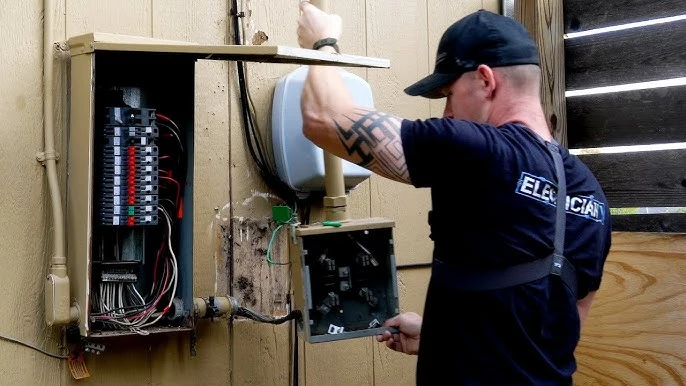
Let’s understand the key maintenance actions that help extend enclosure service life.
Routine visual inspections help detect early signs of corrosion, cracking, loose fasteners, or seal damage before performance is affected.
Gasket and seal replacement should follow defined cycles based on environmental exposure, as ageing seals are a common cause of dust and moisture ingress.
Corrosion prevention measures, such as surface cleaning, coating touch-ups, and replacing rusted hardware, protect the enclosure’s structural integrity.
Thermal management solutions, including ventilation, heaters, or cooling fans, help control internal temperatures and reduce thermal stress.
A preventive maintenance approach minimizes unplanned downtime and is more cost-effective than reactive enclosure replacement.
When Should an Electrical Enclosure Be Replaced?
An electrical enclosure should be replaced when it can no longer provide reliable protection to internal equipment. Water ingress or repeated seal failure is a clear end-of-life indicator, even if the enclosure appears structurally intact. Structural corrosion, cracking, or deformation that weakens mounting or door alignment also signals replacement.
Compliance and safety concerns play a critical role, especially when ageing enclosures no longer meet current standards. Minor surface damage may justify repair, but widespread deterioration or recurring issues usually make full replacement the safer and more cost-effective choice.



 EN
 ES
 FR
 AR
 JA
 KO
 RU
 DE
 PT
 IT
 ZH
 TH
 VI
 HI
 MS
