

What Sealing an Electrical Enclosure Really Means

To seal an electrical enclosure means to block dust, rain, splash water, humidity, oil mist, insects, and other contaminants from entering the cabinet.
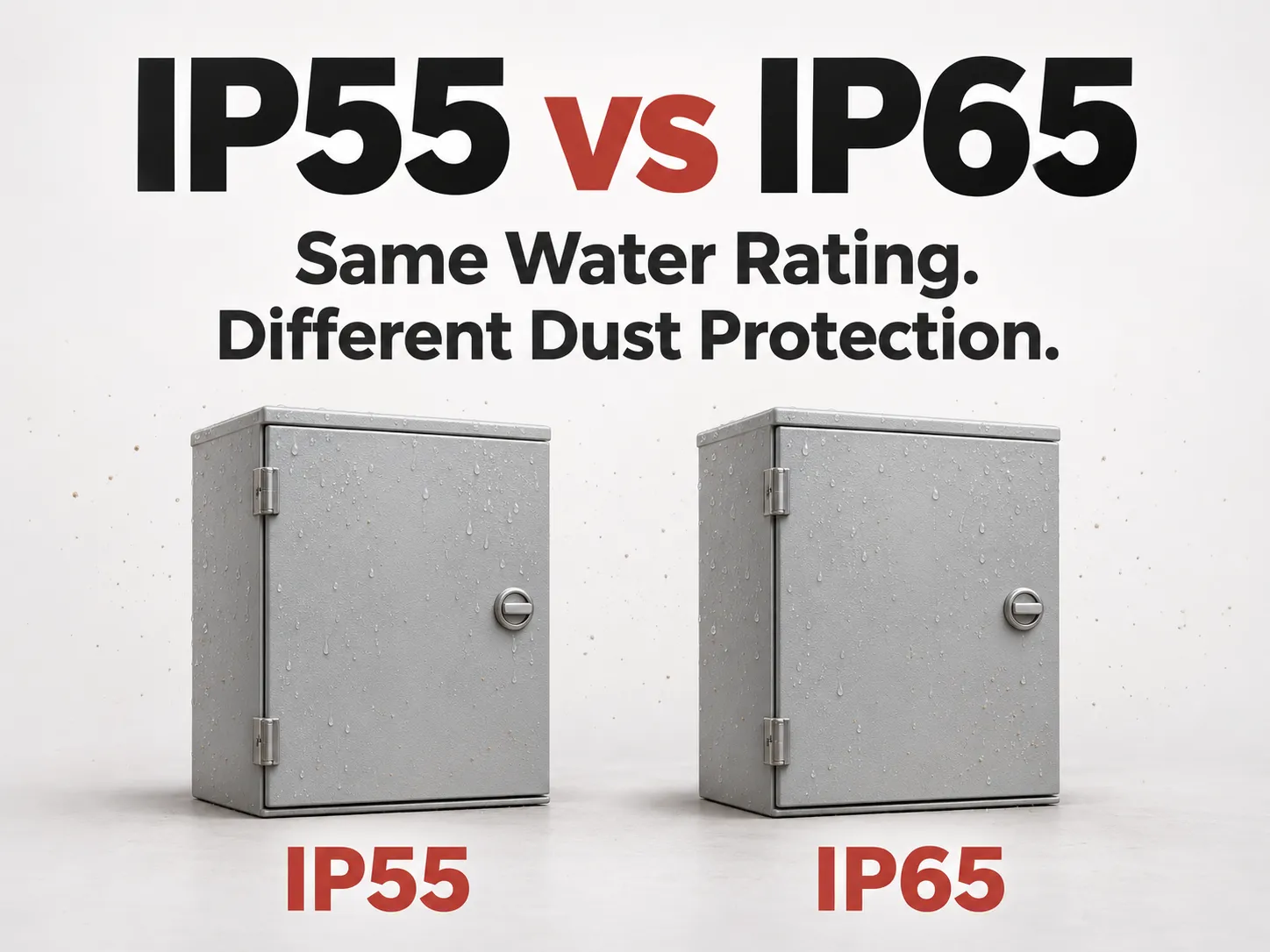
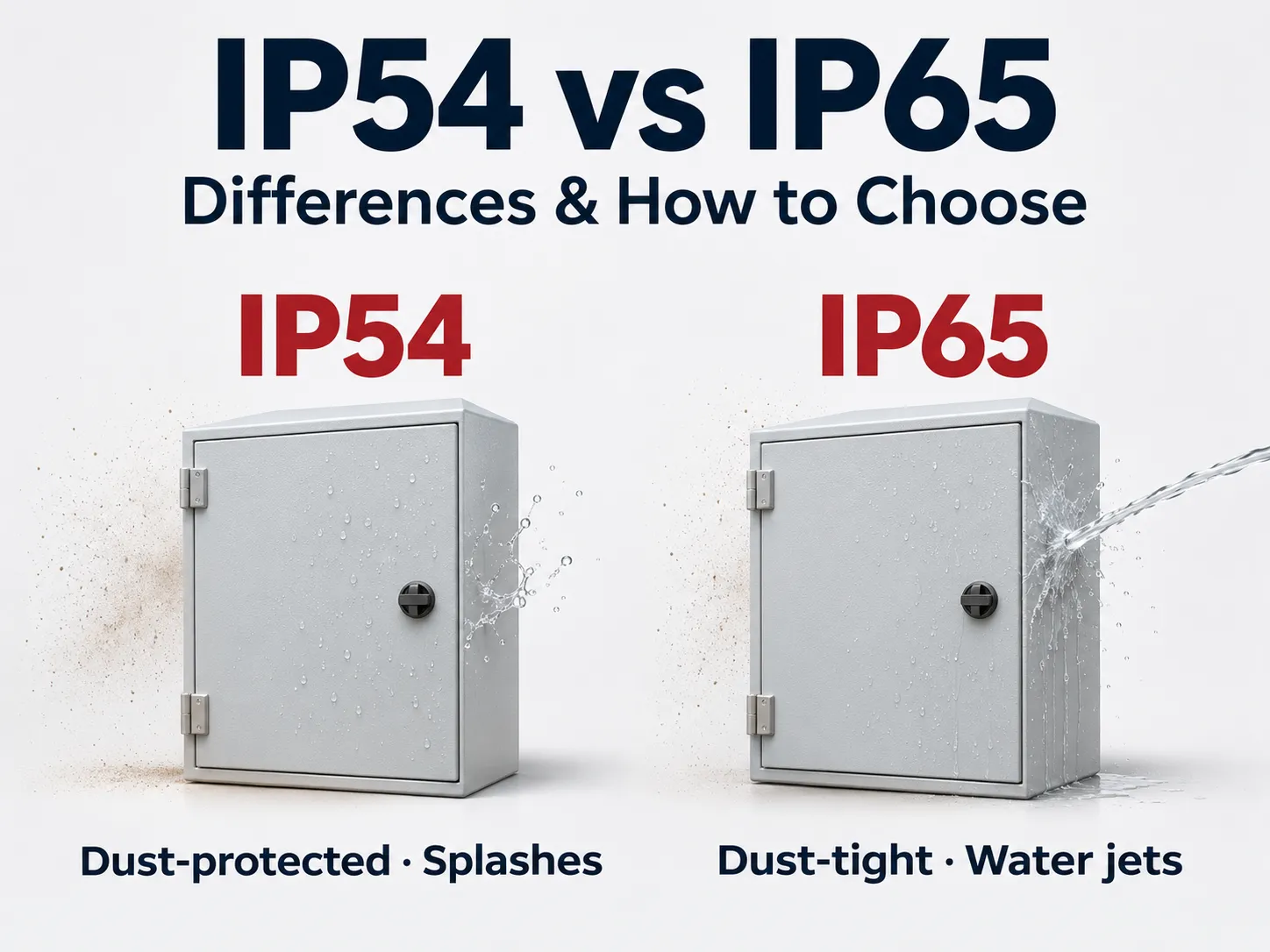
A strong seal helps the cabinet keep its designed protection level. This may be an IP-Bewertung, such as IP65 or IP66, or a NEMA rating, such as NEMA 4 or NEMA 4X.
Poor electrical enclosure sealing can cause rust, short circuits, tripping, damaged components, downtime, and safety risks. The box, gasket, cable glands, fittings, plugs, and installation quality all need to work together.
Choose the Right IP or NEMA Rating First
Before sealing the cabinet, decide what protection level the site needs. A dry indoor control panel does not need the same sealing design as an outdoor washdown enclosure.
If you are comparing protection levels for dust, water, corrosion, or inspection needs, review basic Normen für elektrische Gehäuse before choosing the gasket or sealing method.
| Schutzart | Schutzumfang | Typischer Einsatz |
|---|---|---|
| IP54 | Staub- und Spritzschutz | Indoor light-duty panels |
| IP65 | Dust-tight and water-jet protection | Außensteuerkästen |
| IP66 | Strong water-jet protection | Abwaschbare oder raue Außenbereiche |
| IP67 | Schutz bei zeitweiligem Untertauchen | Wet or flood-risk locations |
| NEMA 4 | Rain, dust, and hose-directed water | Outdoor industrial use |
| NEMA 4X | Wasser- und Korrosionsbeständigkeit | Coastal, chemical, food, and washdown areas |
NEMA enclosure types describe different indoor and outdoor protection levels, including rain, hose-directed water, corrosion, and ice formation in certain ratings. You can check the official NEMA-Gehäusetypen guide for more detail.
Choose the rating before choosing the gasket or sealant. A low-rated enclosure cannot become a reliable IP66 or NEMA 4X cabinet by adding extra silicone.
If you need IP68 protection, check the manufacturer’s test depth and time. IP68 does not mean unlimited waterproofing in every condition.

Find Every Weak Sealing Point
Most leaks happen at small openings, not through the main wall of the box. One weak cable gland, open knockout, or unsealed mounting hole can reduce the whole protection level.
Check the door gasket, cable glands, conduit hubs, knockouts, mounting holes, gland plates, hinges, latches, windows, drain plugs, breather vents, and field-drilled holes before installation.
For new projects, plan cable entry locations early. Fewer field-drilled holes usually means fewer leak risks and better long-term sealing performance.
Choose the Right Enclosure Gasket
The gasket is one of the most important parts of electrical enclosure gasket sealing. It creates pressure between the door and the enclosure body.
| Gasket Material | Am besten geeignet für | Watch Out For |
|---|---|---|
| EPDM | Outdoor weather, UV, rain, ozone | Not ideal for oil-heavy areas |
| Silikon | High/low temperature and flexible sealing | Höhere Kosten |
| Neopren | General industrial sealing | Moderate chemical resistance |
| Nitrile / Buna-N | Oil and fuel exposure | Weaker outdoor UV resistance |
| Closed-cell foam | Uneven surfaces and easier compression | Must be high quality for water sealing |
For outdoor electrical enclosure sealing, EPDM and silicone are often safer choices because they handle weather and temperature changes well. For oily industrial sites, nitrile may perform better.
Also check gasket compression recovery. UL explains that gasket compression testing applies to cellular gasket materials used where enclosure seals are opened and reclosed during service, such as door or cover seals. Learn more from the UL 50E gasket compression test.
If the gasket stays flat after pressure, the door may no longer seal well. A cracked, loose, hard, or flattened gasket should be replaced.

Seal the Door, Cover, and Cable Entries
Before opening or resealing any electrical cabinet, disconnect power and follow lockout/tagout procedures. OSHA explains that lockout/tagout practices help protect workers from hazardous energy during service and maintenance.
For safety details, refer to OSHA’s official control of hazardous energy guidance. Work near live electrical parts should be done by qualified personnel.
Start with the door or cover gasket. Clean the gasket channel and sealing surface. Remove old adhesive, dust, oil, rust, and loose gasket material.
Check whether the door is bent or misaligned. Install the gasket in one continuous path, and do not stretch it during installation. Join the ends tightly so there is no visible gap.
Tighten screws, clamps, or latches evenly. Do not tighten one side first. Uneven pressure can create small gaps on the opposite side.
Cable entries need special care because they often decide whether the cabinet keeps its IP rating after installation. Use IP-zertifizierte Kabelverschraubungen for enclosures, and match the gland to the cable diameter range.
The cable gland should also match the wall thickness, sealing washer, O-ring, and target IP rating. Avoid oversized holes because they can stop the gland from compressing correctly.
For conduit systems, use rated conduit hubs. For unused knockouts, use rated plugs instead of tape or temporary covers. When possible, keep cable entries downward and add drip loops for outdoor cables.

When to Use Sealant and When Not To
Silicone sealant can help in some areas, but it should not be the main sealing system. The gasket, cable gland, plug, and enclosure design should do most of the work.
Sealant may help around some fittings, small non-service seams, minor surface gaps, or outdoor cable entry areas where extra support is allowed.
Do not use sealant to replace a missing gasket, cover cracked metal, fill oversized cable holes, block vents, or seal over dirt, oil, or moisture.
Avoid applying sealant in a way that makes the enclosure hard to open. A waterproof electrical cabinet still needs safe access for inspection and maintenance.
Outdoor Sealing and Condensation Control
Outdoor electrical enclosures face rain, UV, windblown dust, temperature changes, insects, and corrosion. These conditions can weaken poor gaskets and low-quality fittings.
Use UV-resistant gasket material for outdoor use. EPDM and silicone often stay flexible in changing weather. For coastal, chemical, or food processing areas, consider NEMA 4X or a suitable IP-rated design.
Material choice also matters. Stainless steel, aluminum, fiberglass, and coated steel each suit different environments. The best choice depends on corrosion risk, cleaning method, and installation site.
A sealed cabinet can still collect moisture inside if humid air is trapped. Temperature changes may cause condensation, which can damage terminals and components.
To reduce condensation, use approved Entlüftungsventile in elektrischen Gehäusen, drain plugs, anti-condensation heaters, or desiccant packs when needed.
If your project faces humidity, temperature swings, or outdoor exposure, this guide on how to prevent condensation in enclosures can help you plan moisture control before problems appear.
Do not block approved vents or drains with sealant. A good enclosure should stop outside water while still managing internal moisture risk.

Common Sealing Mistakes to Avoid
- Using indoor gaskets outdoors
- Using low-rated cable glands on high-rated boxes
- Leaving unused knockouts open
- Drilling holes without sealing them
- Reusing cracked, hard, or flattened gaskets
- Applying silicone over dirty surfaces
- Overtightening cover screws
- Forgetting mounting holes
- Blocking breather vents or drain plugs
- Assuming IP and NEMA ratings are exactly the same
The best results come from planning before installation. Choose the right enclosure, then match every accessory to the same protection goal.
How to Inspect and Maintain the Seal
Electrical enclosure sealing is not a one-time job. Outdoor, dusty, washdown, and high-vibration sites need regular checks.
Inspect the seal every 6 to 12 months, or more often in harsh environments. Look for cracked gaskets, loose cable glands, water marks, rust, dust trails, insects, bent doors, and uneven gasket compression.
Check the cabinet after storms, washdown cleaning, shipping, maintenance work, or cable changes. These events can loosen fittings or damage sealing surfaces.
For critical systems, keep spare gaskets, cable glands, plugs, and sealing washers on hand. This helps reduce downtime when parts need replacement.

When to Replace the Enclosure
Sometimes resealing is not enough. If the enclosure body is damaged, repeated sealing work may only delay the problem.
Replace the enclosure if the door is bent, the gasket channel is damaged, the sealing surface is rusty, or the cabinet has too many field-drilled holes.
Replacement may also be the better choice when the rating is too low for the site, water keeps entering after repair, or the material cannot handle UV, corrosion, or washdown cleaning.
For new projects, it is better to choose an enclosure that already matches the working environment. A good design should consider the IP or NEMA rating, material, gasket, latch pressure, cable entry layout, and maintenance access.
This is also where choosing the right supplier matters. E-Abel provides standard and custom electrical enclosures for indoor, outdoor, industrial, and washdown applications. The right enclosure design can help reduce water ingress, corrosion, downtime, and future maintenance costs.

FAQs About Sealing Electrical Enclosures
Fazit

A reliable electrical enclosure seal depends on the full system, not one material. The gasket, cable glands, fittings, plugs, enclosure rating, surface condition, and maintenance routine must work together to prevent dust, water, corrosion, and electrical failure.
If your project needs sealed enclosures for outdoor, washdown, dusty, or corrosive sites, contact E-Abel. We can help you choose the right IP/NEMA rating, material, gasket design, and cable entry solution.





 DE
 EN
 ES
 FR
 AR
 JA
 KO
 RU
 PT
 IT
 ZH
 TH
 VI
 HI
 MS
