

What Is an Outdoor Enclosure—and Why It Matters
An outdoor enclosure is a protective housing used to keep electrical or electronic equipment safe when installed outside. Its main job is to protect equipment from rain, dust, sunlight, temperature changes, and other environmental risks that can cause damage or failure.

Choosing the right outdoor enclosure matters because it directly affects equipment reliability, lifespan, and safety. A well-matched enclosure helps prevent corrosion, overheating, and electrical hazards, while reducing maintenance and downtime. If the enclosure is underspecified, even high-quality equipment can fail early, leading to higher costs and safety risks.
Understand Your Environment

Outdoor Conditions and Threats
Outdoor enclosures must deal with rain, dust, wind, sunlight, and temperature changes. Over time, moisture can cause corrosion, UV light can weaken materials, and dust can affect internal components. These issues usually build up slowly but can lead to failures if the enclosure is not suited to the environment.
Location and Climate Considerations
The installation location matters just as much as the enclosure itself. Direct sun, coastal salt air, extreme heat or cold, and heavy weather all increase stress on the enclosure.
Even how and where it’s mounted can change exposure levels. Understanding these factors helps you choose an enclosure that performs reliably in real outdoor conditions.
Key Ratings: NEMA & IP Explained

What NEMA Ratings Mean
NEMA ratings are common in North America and describe how an enclosure handles outdoor conditions. NEMA 3R protects against rain and snow, NEMA 4 adds hose-down protection, NEMA 4X includes corrosion resistance, and NEMA 6P allows temporary submersion. The key is choosing what fits your environment, not just a higher number.
How IP Ratings Compare
IP ratings are used worldwide and focus on dust and water protection. For outdoor use, IP66 or higher is often recommended because it is dust-tight and resists strong water jets. IP ratings are precise, but they do not address corrosion or chemicals like some NEMA ratings do.
Mistakes to Avoid
A common mistake is using indoor-rated enclosures outdoors. Even mild exposure can cause moisture damage and safety issues.Another mistake is overspending on ratings you don’t need. The best choice is the rating that matches real outdoor conditions.
Material Choices & Pros and Cons

Metal Enclosures
Metal enclosures are popular for outdoor use because of their strength and durability.
Aluminum is lightweight and resists corrosion well, while still offering good heat dissipation.
Carbon steel provides high strength at a lower cost but usually needs surface treatment to prevent rust.
Stainless steel offers the best corrosion resistance and long service life, making it ideal for coastal or industrial environments, though it comes at a higher cost.

Plastic and Fiberglass Options
Plastic and fiberglass enclosures are often chosen for their natural insulation and corrosion resistance. They don’t rust, are lighter than metal, and work well in harsh or humid environments.
These materials are also electrically non-conductive, which adds an extra safety layer, but they may not handle impact or high heat as well as metal.

Coatings and Surface Finishes
Coatings and finishes add another level of protection. Powder coating, anodizing, and UV-resistant finishes help prevent rust, fading, and material degradation.
In outdoor applications, the right surface treatment can greatly extend enclosure life, especially in areas with strong sunlight, moisture, or chemical exposure.
Size & Internal Space Planning

Choosing the Right Size
Size is not just about fitting today’s equipment. Start by measuring all internal components, then allow extra space for future expansion, cable routing, and safe clearances. Cables, connectors, and bending radius often take more room than expected. An enclosure that is too tight makes installation harder and limits upgrades later on.
Planning for Service and Airflow
Good internal space planning also improves maintenance and cooling. Technicians need room to access components without removing everything inside. At the same time, enough open space allows air to circulate, helping control heat buildup. A slightly larger enclosure often performs better over time and reduces both service effort and thermal issues.
Thermal Management
Why Heat Builds Up Outdoors
Heat is one of the most overlooked risks in outdoor enclosures. Direct sunlight can raise internal temperatures quickly, especially on dark or metal surfaces. At the same time, internal components generate their own heat during operation. When heat cannot escape, electronics age faster, performance drops, and failures become more likely.
Common Cooling and Airflow Solutions
Managing heat starts with the right airflow strategy. Simple vents may work in mild environments, while filtered fans help move air without letting dust inside. In hotter or dirtier locations, heat exchangers or fully sealed cooling systems are often a better choice.
For extreme conditions, separate air conditioners or cooling units may be needed. Planning thermal management early helps keep equipment stable and extends its service life.
Weatherproofing & Sealing
Gaskets and Sealing Systems
Weatherproofing starts with good sealing. High-quality gaskets help keep moisture, dust, and debris out of the enclosure, protecting sensitive components inside.
Common gasket materials are designed to stay flexible over time, even with temperature changes and UV exposure. Poor or aging seals are one of the main reasons outdoor enclosures fail, so sealing quality should never be overlooked.

Installation Matters More Than You Think
Even the best enclosure can fail if it’s installed incorrectly. Outdoor enclosures should be mounted above flood level and positioned to avoid standing water.
Proper drainage, correct door alignment, and tight fastening all help prevent water from finding its way inside. Good installation practices work together with sealing design to ensure long-term outdoor reliability.
Security & Access Control
Locking and Tamper Protection
Outdoor enclosures are often installed in public or semi-public areas, so security is a real concern. Reliable locking mechanisms help prevent unauthorized access and reduce the risk of tampering or vandalism. Depending on the application, this may include key locks, padlocks, or tool-required fasteners to keep the enclosure securely closed.

Stable and Secure Mounting
Security also depends on how the enclosure is mounted. A stable installation on walls, poles, or concrete bases reduces the chance of movement, impact damage, or forced entry. Proper mounting not only protects the enclosure itself but also helps maintain seal integrity and long-term reliability in outdoor environments.
Installation Best Practices
Proper Mounting and Elevation
Outdoor enclosures should always be mounted above ground level to reduce the risk of flooding, standing water, and debris buildup.
Solid supports—such as walls, poles, or concrete pads—help keep the enclosure stable and protect internal components from vibration or impact. A secure mount also helps maintain door alignment and gasket sealing over time.
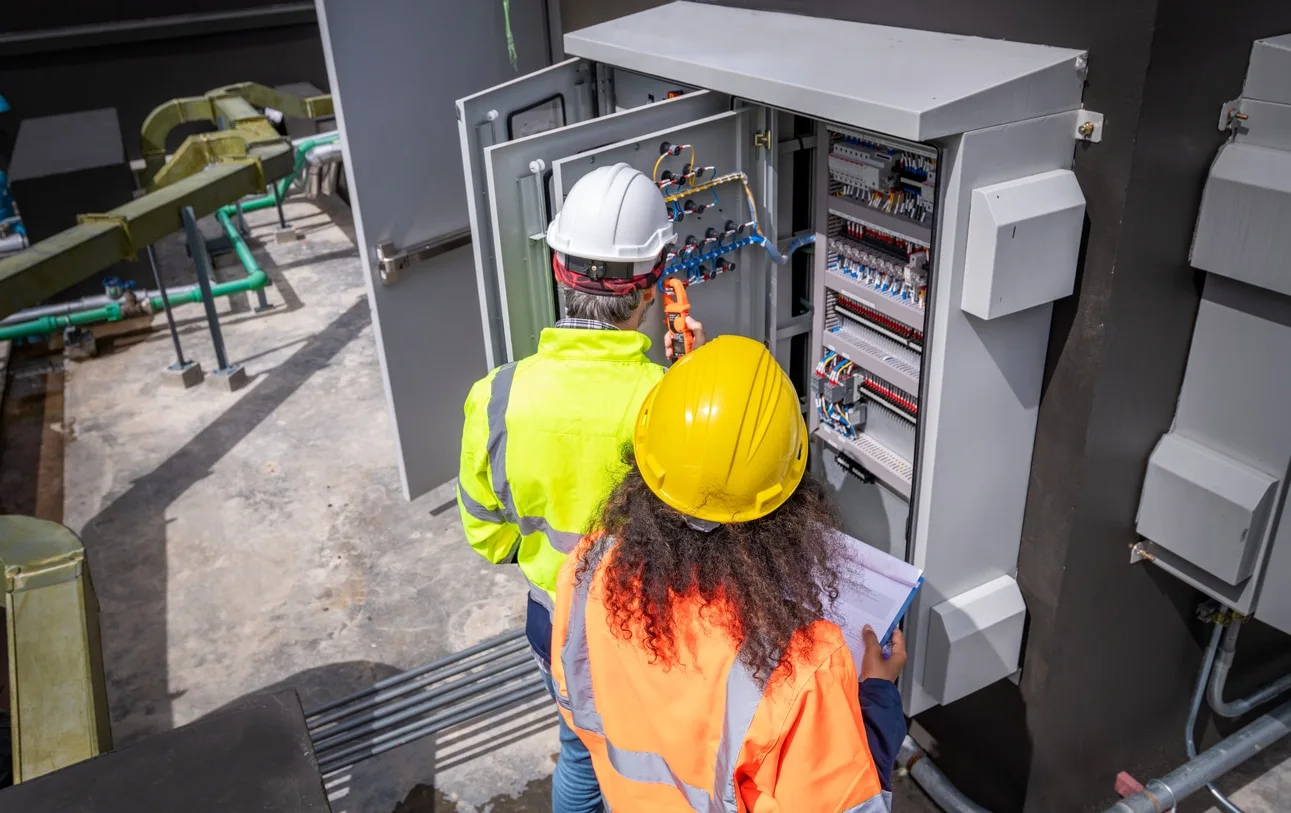
Protection From Rain and Sun
Where possible, enclosures should be positioned to limit direct exposure to heavy rain and strong sunlight. Adding sun shields, canopies, or shaded placement helps reduce internal heat buildup and weather stress.
Thoughtful placement at installation can greatly improve enclosure performance and extend service life without adding complexity.



 EN
 ES
 FR
 AR
 JA
 KO
 RU
 DE
 PT
 IT
 ZH
 TH
 VI
 HI
 MS
